

My start in Technotronic was nothing short of a happy accident. I was working at a studio in London called Battery Studios. I heard there was this guy from Belgium who was putting a project together. The guy was Jo Bogaert, and we met and did a couple of sessions. It worked. Technotronic is his baby because he's the glue that pulls everything together.
The release of Pump Up the Jam was phenomenal. We collaborated with Ya Kid K. She brought something new and fresh to the table. She's from Africa, so for me, that song marked the early birth of what we now call Afro House, and people were not prepared for it. The song just came, and bam. The response was crazy. It was one of those songs that the moment you heard it, you thought, damn. That was 1989.
Culture plays a role in my life and the decisions I make in my music. I grew up in Cardiff in a Jamaican household. African and Jamaican influences naturally found their way into the music, especially through the people involved. Each of us brought something personal to the project.
We once toured with Madonna during her Blond Ambition Tour. Touring at that level can be intense, but also fun. The biggest memory from the tour was: turning up at a venue before a gig, needing the toilet before going on stage.
When I came out, I ran to the stage, opened the door and shouted "Hello, New York!" straight into the car park. I panicked, and I was like: "Where is the stage?"
I ran through another door and ended up entering through the crowd. I was MC-ing on the way to the stage. It turned out it worked better for me. It was a nice, unplanned entrance.

Beyond Technotronic, I've also worked as a songwriter and producer for myself and others. It's different writing for others. But that doesn't mean it's worse. You can write things with artists that you could never write alone. Depending on the session, that entails that it can go great and other times not so great. My creative progress as a writer got to a point where I'm able to start with anything.
As a writer, you should be able to start with anything.
If I had a preference, it would be to start with a chord progression. My creative progress has changed since the start of my career, but it remains the same job. The tools and music technology have just advanced to make things easier. Making music has become more convenient.
Releasing my solo album, As Far as I'm Concerned, in 2000 was a turning point. It was the first time in 13 years that I had the opportunity to make music that I wasn't told to make. The album wasn't about making sales or topping the charts. It was about creative freedom. I was able to tap into the things I grew up with and loved in my heart: mainly jazz, reggae, and I just fused them. That record was honest, and it was mine.
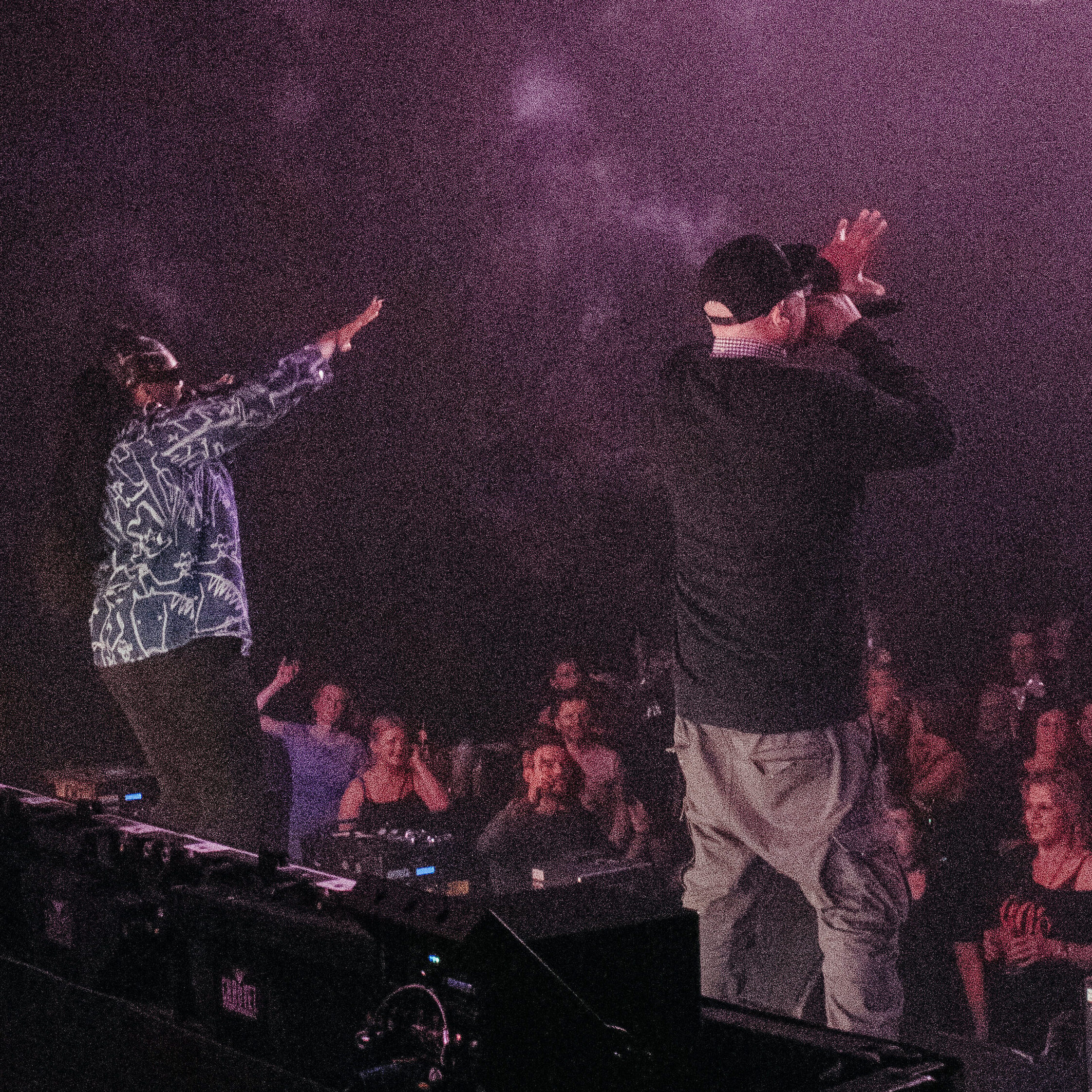
When I'm performing now, before I walk on stage, I sometimes remind myself of how grateful I should be to still be somewhat relevant after 35 years. It is such a big deal. Even after all these years, I still love performing. It's actually my favourite way to lift a crowd. If the people see that the person who is performing wants to be there and is happy to be there, they feed off the energy.
I also instinctively know from being on the road so many years what resonates with a crowd. I know what works and what doesn't. I always throw in some Technotronic music, because people obviously come to hear that. It's not good if you don't.
You learn how to navigate a crowd through the experience of it.
If I could advise my younger self or someone who is trying to have a break in the music industry right now, it would be this:
You'll only ever be taken seriously as you take yourself. Some jobs are opportunities. Some are exploitation. Learning the difference early on is essential to thrive.
I have lived by this statement since I was young and still preach this to anyone who wants advice.
As for what's next, 2026 is going to be a year of singles for me. I've taken the past three years off in terms of releasing music, but the last thing I did release did well. I'm going to take some time in the studio to work on putting out some more music. At the end of the day, that makes the industry work.