

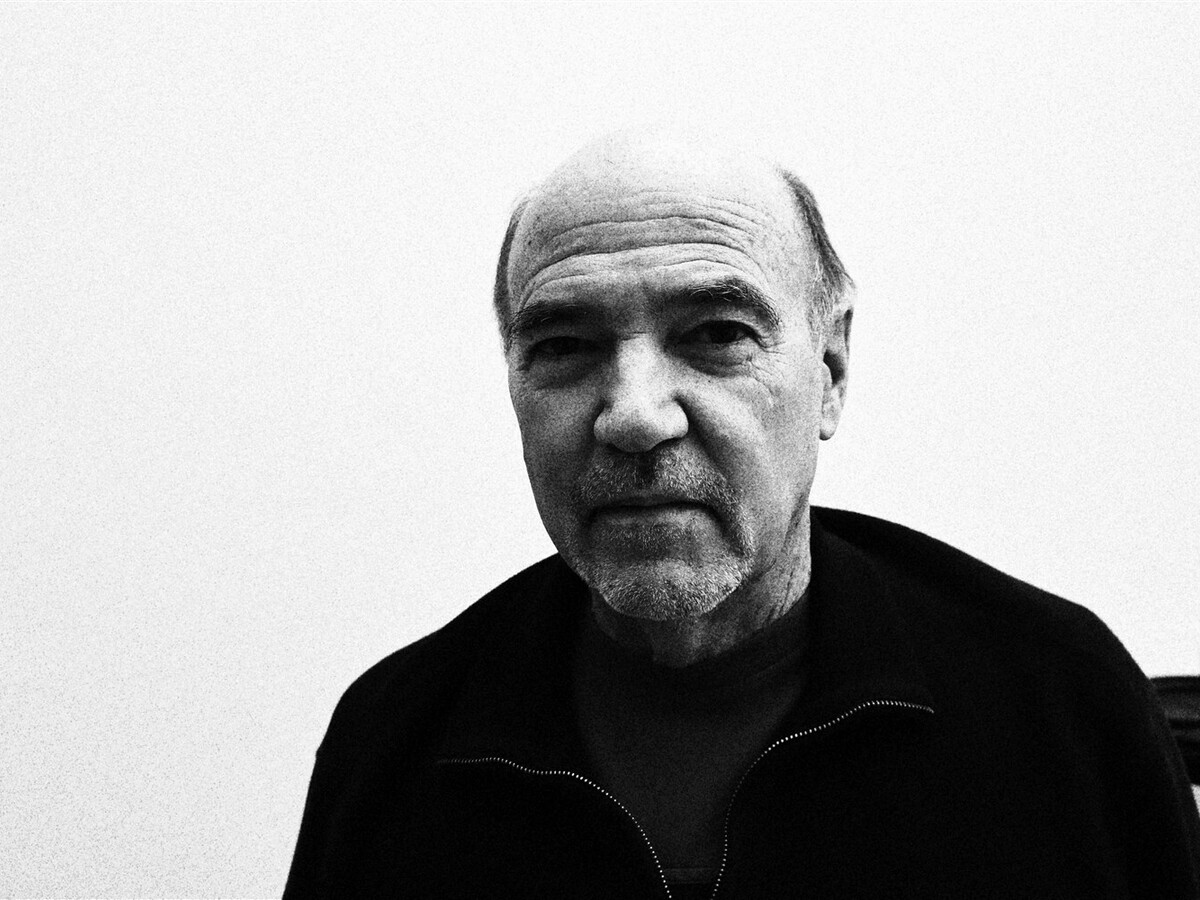
Anibal Valero
Born in 1951 to two parents who were both lawyers, Anibal Valero's childhood was no different from what it should be. He had a true middle-class upbringing. He temporarily moved to the UK due to his father's diplomatic posting. When he moved back, It was time for college. After bouncing between different colleges in Venezuela he decided to study animal sciences at Louisiana State University through a government scholarship. He returned to Venezuela with an animal production masters degree in his back pocket and started working on his rural family farm. For over thirty years Anibal made his living as a cattleman between two farms and in the late 90's he was elected as president of the national cattleman association. In 1998, Hugo Chávez was elected as the 64th President of Venezuela. Everything would change for Anibal and many others.
"I lost everything"
During the reign of Chávez, Venezuela faced a great problem: farm invasions. Under the socialist regime, policies were implemented where land owners could get their property forcefully taken by either the government or armed groups. These policies had the goal of "redistributing land to peasant cooperatives". Anibal had to go through this twice, "I lost everything, I had to leave my farm without taking anything". He isn't the only one who had this fate, in what was once the richest country in Latin-America the middle class has now disappeared. Today, 78% of the population live in poverty and 56% in severe poverty according to HUMVenezuela. The minimum monthly wage is $0,70 and inflation has risen to 254% in 2025. This perfectly explains why over 7 million Venezuelans, close to 25% of the population, have left their country. Anibal told me how things were bad under Chávez' reign but everything got worse when Maduro took over in 2013. More obvious corruption, punishment for government critics and even worse policy.
Oposición
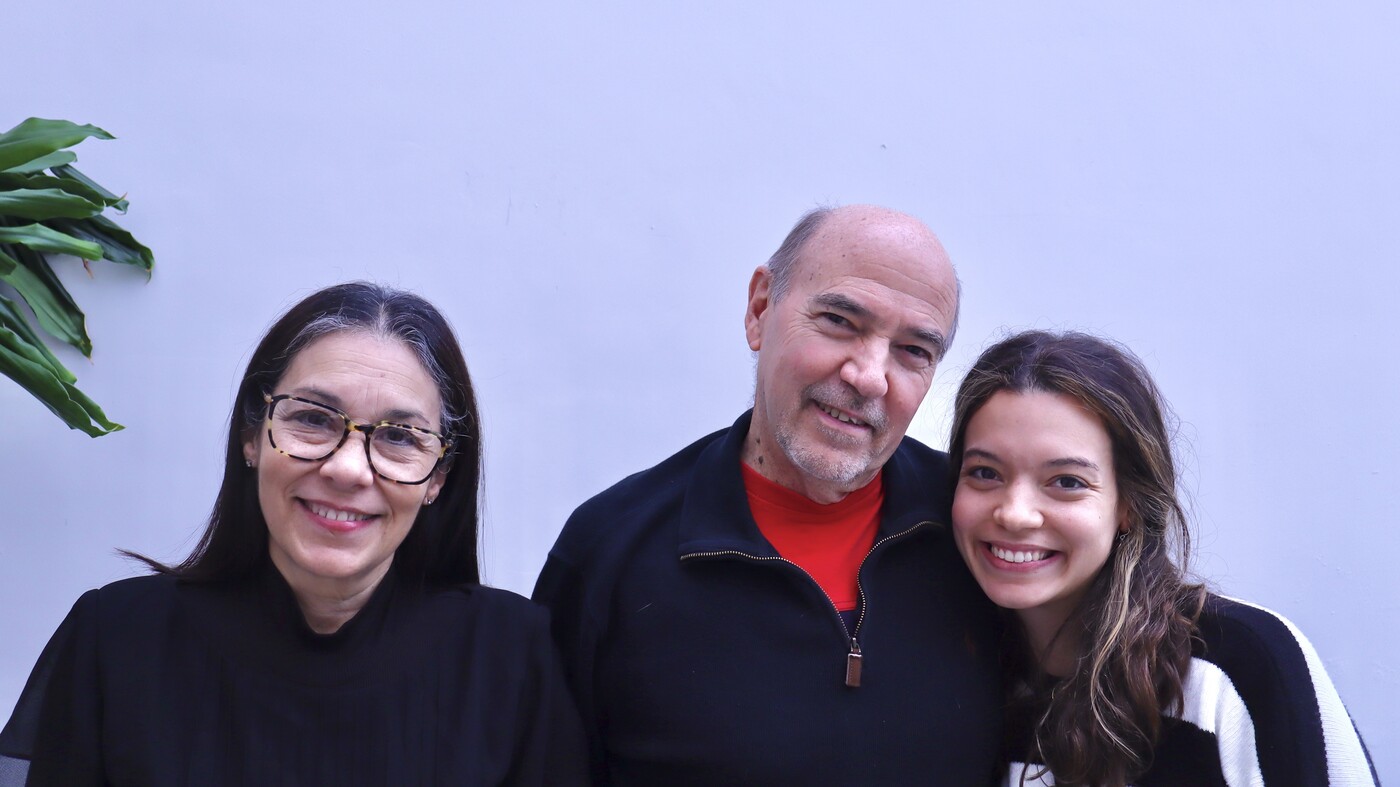
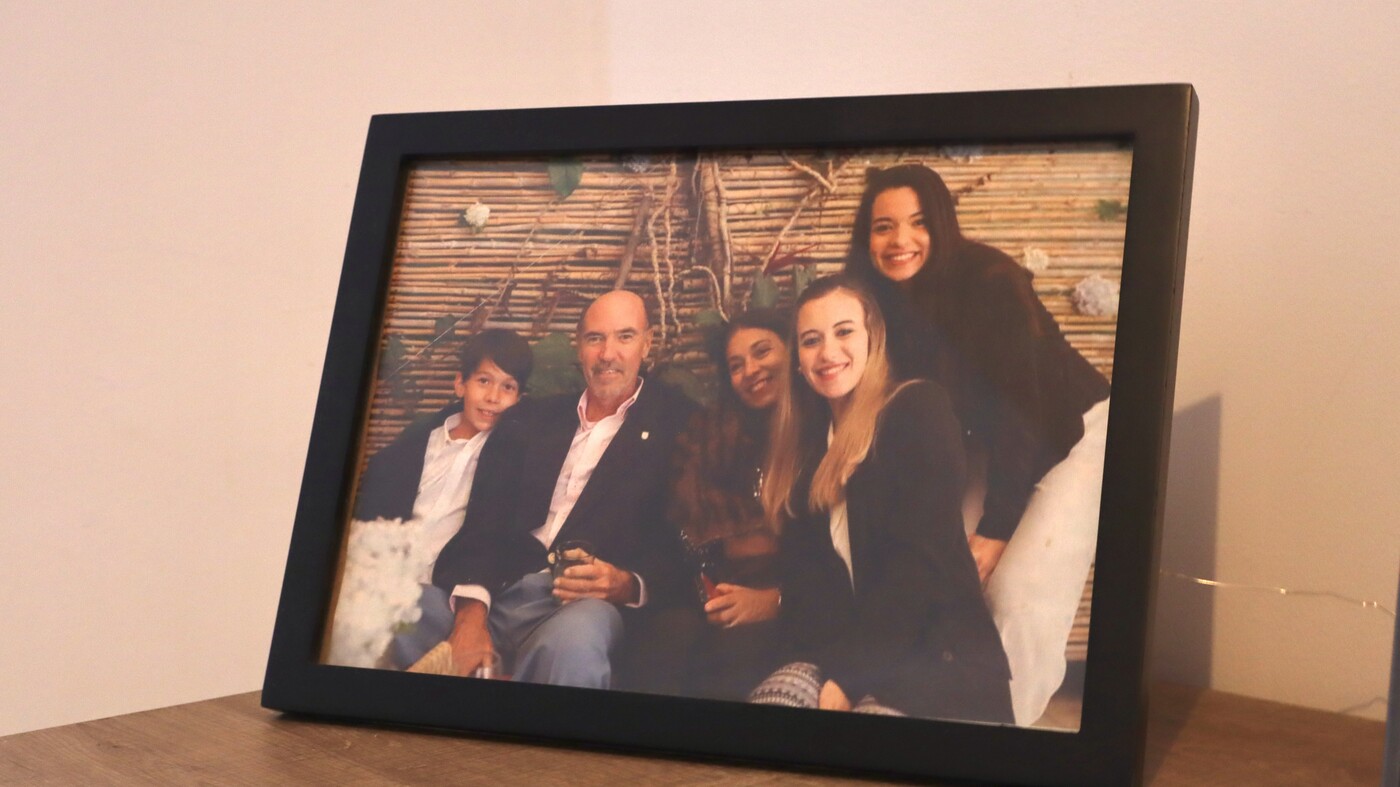
When Anibal had a conversation with all the presidential candidates before the elections of 1998, Cháves stood out to him. But not in a good way. He came across as charismatic but when he mentioned changing the constitution it didn't sit right with Anibal. After 1998, Anibal decided to devote himself to the opposition. Throughout the years he worked for countless candidates, usually as captain of his region's voting stations. He was also involved in many demonstrations since then as well, in 2002 there was a march organized to the Miraflores presidential palace by the industry and agricultural unions. The protesters were shot at by Chaves' followers. The policemen that tried to protect them were sentenced to 30 years in prison, the shooters were pardoned. In 2017 major protests took place after Maduro arrested multiple opposition leaders. Both Anibal's daughters were among the reported 6 million protesters throughout the country. 58 people lost their lives during the month of July. When Anibal was talking about the protests, I could tell it was a sensitive topic. Anibal told me that after the protests his daughters made the decision to leave Venezuela forever after the manifestations. They no longer had a future in their country. Anibal's eyes filled with tears and his voice got shaky. He leaned forward to hide his face behind a bouquet of flowers. He didn't want the people sitting in the veranda next to him in the ground floor apartment to see him. During his testimony I couldn't stop myself from shedding a tear either. Luckily, the people sitting in the veranda were his wife and daughters, whom he is so proud of. His children left to Belgium, a country that did respect human rights, with only a carry on suitcase and no money. They now both work for the judiciary system. His pride in them is more than justified.
Liberation
During the 2023 elections, he worked on Maria Corina Machado's campaign before she was banned from participating. After members of the opposition mysteriously disappeared, he was convinced by his daughters to move to Belgium as well. The elections were alleged to have been rigged by Maduro's party. The opposition claims there is technological proof of Edmundo Gonzalez winning by a 70 percent-plus margin. Although this is internationally seen as likely, Maduro is still in power. But now, "finally" according to Anibal, there is some external pressure on the Venezuelan regime. This pressure is coming from the US, they claim that the regime is involved in international drug trafficking. This is something Anibal strongly believes to be true, "it's the only way they are keeping the country somewhat running". When I ask Anibal what he thinks of the current military presence of the US near Venezuela, he expresses his hope for action soon. He tells me that he speaks for every Venezuelan when saying he wants this hell to end, and that it's finally close to ending. There's a lot of negativity around the US actions, people claim that Trump is only doing it so he can exploit the rich oil reserves in the future. When I propose this theory to Anibal, he tells me that the current allies (Russia, China, Iran and Cuba) have been exploiting Venezuela's oil reserves for decades and that, at least, the US would reinvest it in the local economy. That, of course, would only be possible without Maduro according to Anibal.