

What is happening between China and Taiwan right now?
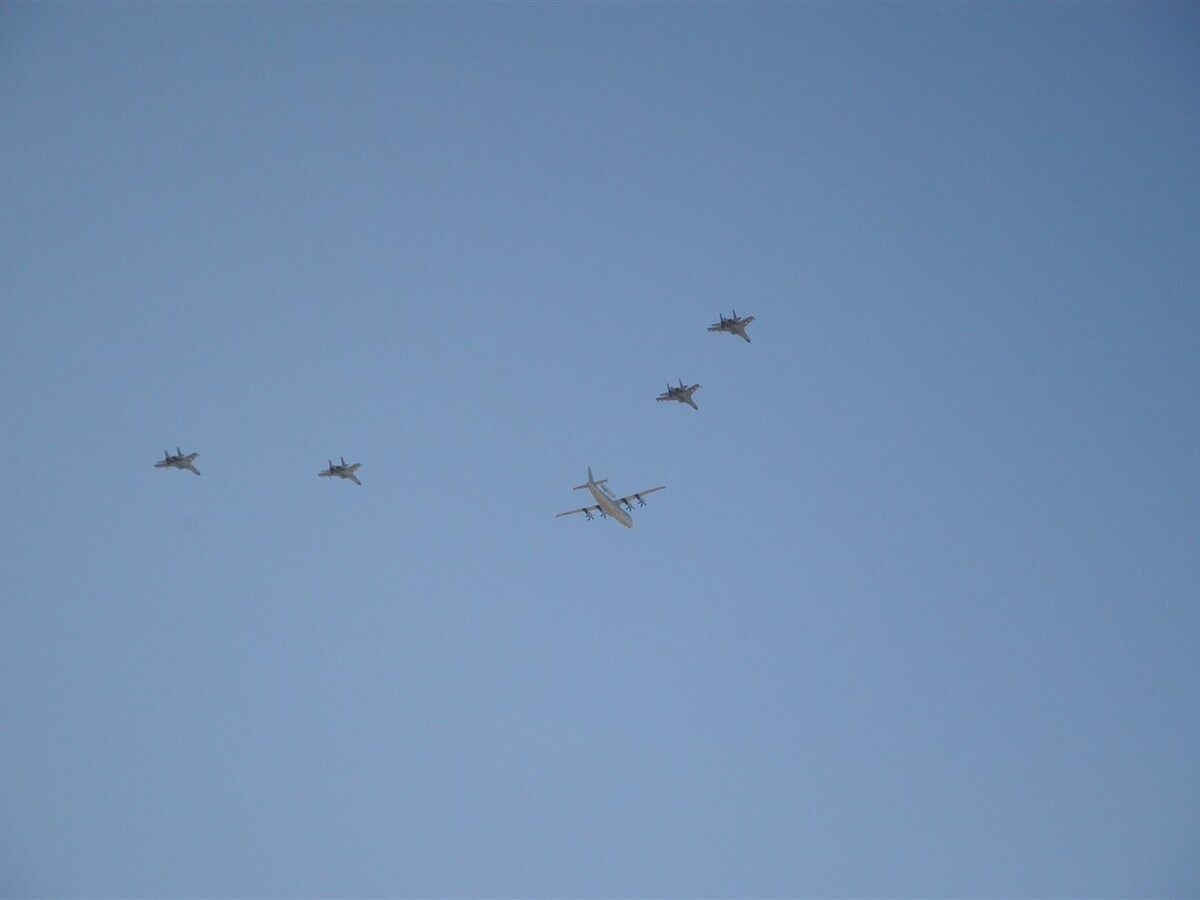
In mid-March 2026, China expanded military pressure on Taiwan by sending fighter jets and naval vessels near the island. According to Reuters, Chinese air force activity increased again around March after a short pause, signalling renewed pressure on Taipei.
These actions are often described by Beijing as routine "military drills," but they are widely interpreted as a show of force aimed at intimidating Taiwan. Taiwanese authorities have said that the situation is becoming increasingly tense and unpredictable.
Why does China claim Taiwan?
China considers Taiwan to be part of its territory, a claim that dates back to the end of the Chinese Civil War in 1949. After the war, the Nationalist government, Kuomintang (KMT), fled to Taiwan and established a separate administration.
Since then, the Chinese Communist Party (CCP) has resolved that Beijing would be the capital of the new government and has promoted the "One China" principle, which states that there is only one Chinese state and that Taiwan must eventually reunite with the mainland.
Why does Taiwan resist China's control?
Taiwan operates as a self-governing democracy with its own government, military, and economy. Its leaders are elected, and many of its citizens identify as Taiwanese rather than Chinese.
Taiwan's government rejects Beijing's claim of sovereignty and insists that only the people of Taiwan can decide their future. This political and cultural divide between China's authoritarian system and Taiwan's democratic system has made compromises increasingly difficult.
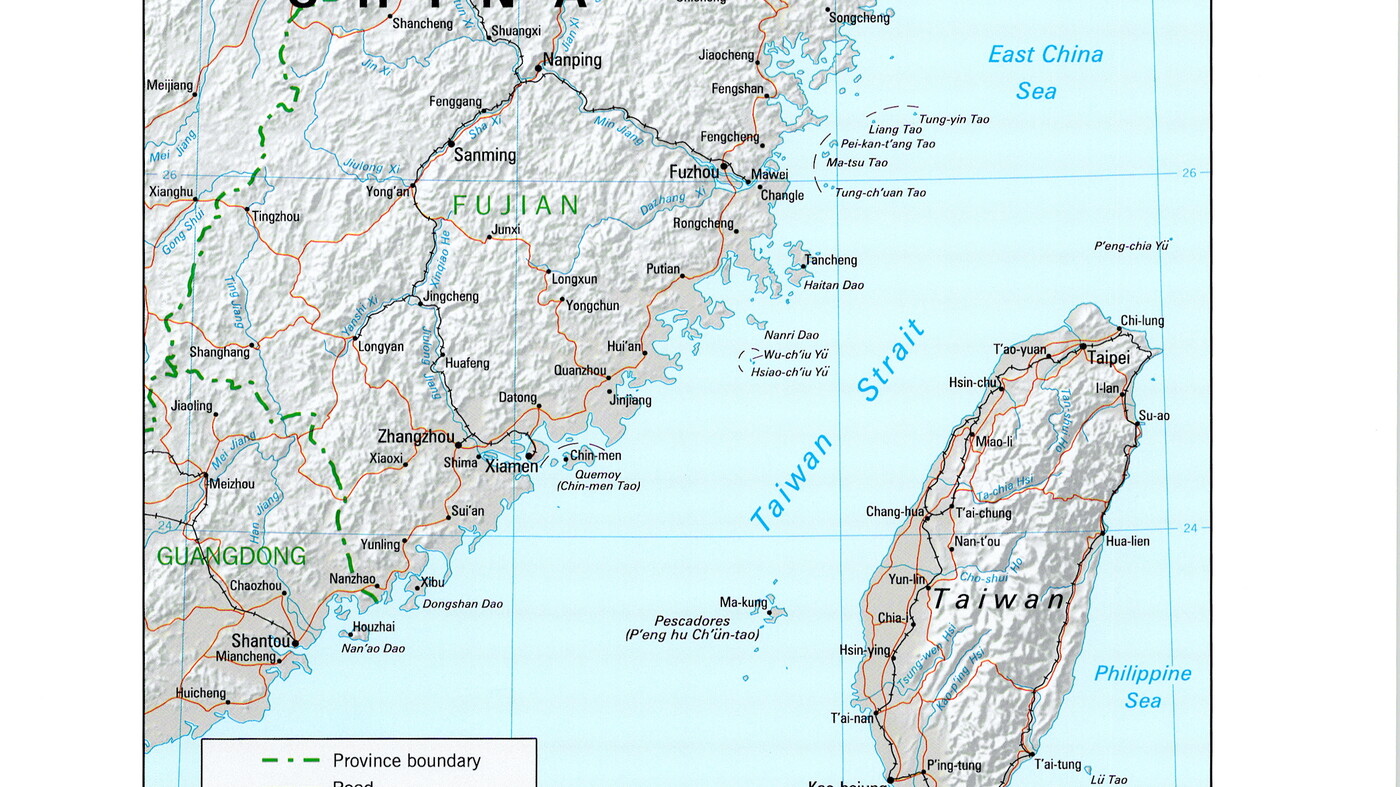
Taiwan Strait Area
(Credit: “Taiwan Strait Area” – Central Intelligence Agency, 1981 (public domain)
Why are tensions increasing now?
It is linked to several global factors. One key concern is that China may be taking advantage of international distraction, conflicts elsewhere in the world. The Taiwanese officials fear that Beijing could exploit such moments to strengthen its strategic position.
At the same time, China has continued to expand its military capabilities and regularly conducts operations near Taiwan.
What role do other countries play?
The United States plays a crucial role in the situation. It does not formally recognise Taiwan as an independent state, but it remains its most important ally and provides military support.
U.S. officials have emphasised their commitment to stability in the region, even as global tensions rise. Other countries, including European nations, are also monitoring developments, as any conflict could have serious consequences for global trade and security.
Taiwan is also important to the global technology industry. TSMC produces a large share of the world's most advanced semiconductors, these are essential for smartphones, AI, and modern military systems. This makes the island economically crucial.
What could happen next?
For now, the situation remains a delicate balance. Continued military pressure, combined with political tensions. Means that a small incident could escalate into a larger crisis with global consequences.
The future relationship remains uncertain. While a full-scale conflict is not inevitable, the risk of escalation is there. Taiwanese defence officials have warned that China poses a serious and growing threat if deterrence fails.