

The image went viral almost instantly: Donald Trump jabbing his finger at ABC journalist Marcy Bruce, his face contorted in rage, bellowing about fake news. Aggressive, personal, and deeply unprofessional.
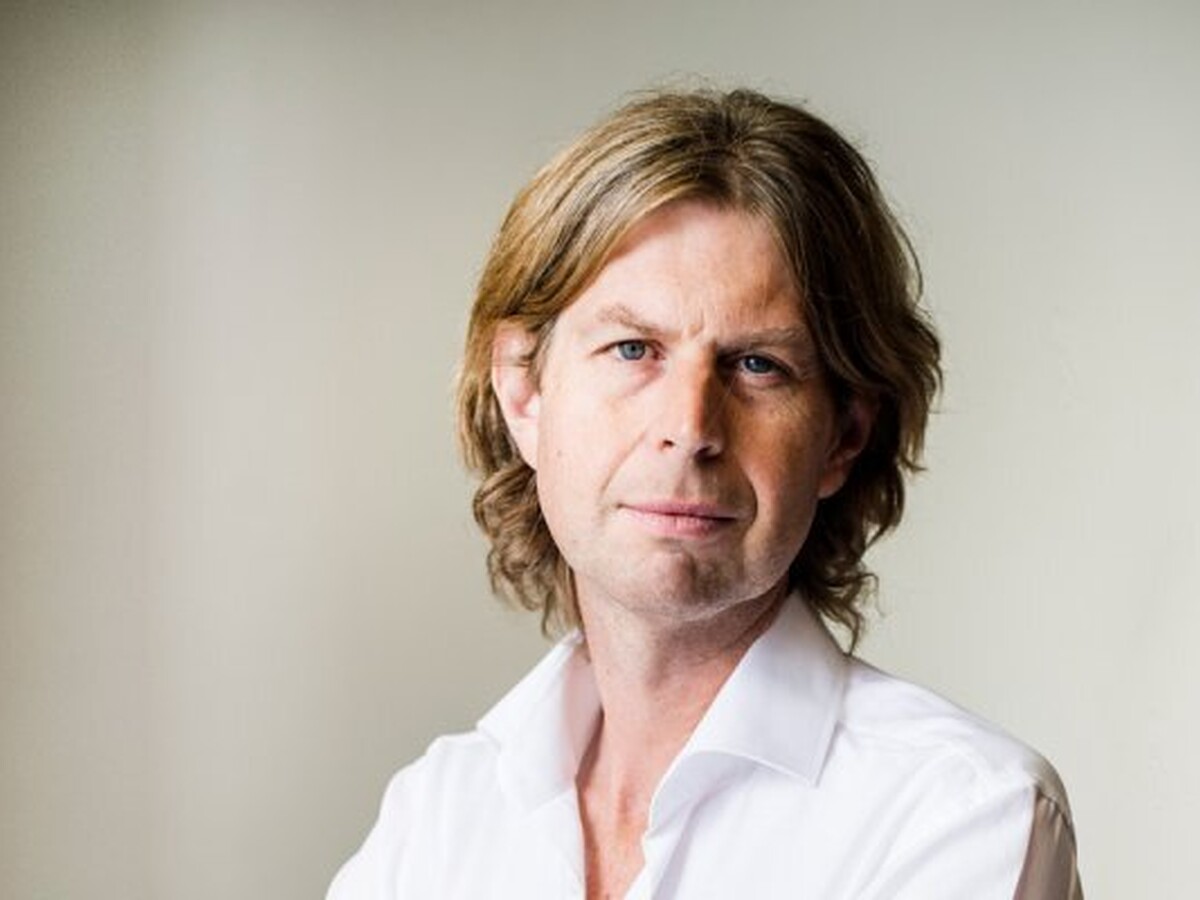
But watching from the newsroom of De Standaard in Belgium, editor-in-chief Karel Verhoeven recognized something familiar, not the theatrical fury, but the almost calculated intent behind it. The desire to intimidate. To make journalists second-guess themselves.
“Trump, that’s a different story, of course,” says Verhoeven. “That’s quite different from what we experience here.”
Different, yes. But not entirely foreign, it seems.
The Calculated Maneuvers
For nearly a decade, Verhoeven has navigated what he describes as ongoing friction with Belgium’s nationalist and far-right parties. The most intense period came between 2015 and 2018, when Bart De Wever’s N-VA (New Flemish Alliance) shifted right, adopting populist tactics that included systematic attacks on mainstream media.
“I think at some moments it was almost daily, but certainly weekly.” Verhoeven recalls, “They would seize every possible opportunity during speeches, but also in other media appearances, to say that the public broadcaster VRT and De Standaard were left-biased, didn’t look at reality, bad journalism, lying.”
N-VA moved back to the center and got their prime minister, so they no longer needed populism, and the attacks simply stopped. Like a faucet that was turned off.
“With N-VA, it’s become much less. And that shows how tactical it was. They’ve moved away from populism, and the attacks faded,” Verhoeven explains.
The Political Muscle Flexing
Then something almost darkly comedic happened. The lawyers representing Belgium’s largest far-right party, Vlaams Belang, started sending legal letters to De Standaard.
“We now get a letter from their lawyer saying we’re not allowed to enter their press conferences,” Verhoeven says with a faint hint of amusement in his voice. “That’s how strained relations are with Vlaams Belang.”
The obvious question is whether it works. If it silences De Standaard about Vlaams Belang.
“Not in the slightest.” He says definitively. “We don’t report worse about Vlaams Belang because of it. Absolutely not. So, it actually has no impact on our coverage.”
Verhoeven explains that he does understand the tactic, though. The letter isn’t really about keeping De Standaard out of their press conferences, it’s about creating an opportunity to say: Look, we have the capabilities to ban them from our events, we are dangerous.
“It’s a form of flexing muscles towards the media, which they can then showcase on all their other channels,” Verhoeven says.
The Avalanche
Verhoeven carefully separates himself from the institution he leads. When asked if he sometimes takes it personally when politicians attack De Standaard, he immediately explains that he doesn’t and that he can’t. He stands for something bigger than himself.
But he worries about his journalists.
“What did happen in that period is individual journalists got an avalanche of hate,” he recalls, with a slight shift in tone. “And they were heavily impacted.”
The hate wasn’t distributed equally. Women and journalists with a migration background, or even just with names that sounded more foreign or darker skin in photos, got hit hardest.
“Anything that indicated ‘there is some migration here,’ they got an extra avalanche of hate. That was intimidating. And they really suffered from that.”
This is when Verhoeven stepped in.
“When Bart De Wever started targeting individual journalists, I stood up to defend the journalists.”
It is clear that this is bigger than defending press freedom. It was about protecting people who were just trying to do their jobs and were being torn apart online for it.
The Defense of Perfection
Verhoeven and his team decided. They would respond, but not politically, that wasn’t their role.
“My lesson, our lesson as an editorial team, has been just one lesson: we have to do our work even better,” he explains. “Even more thorough, even more behind the scenes. And not a single mistake. Not a single mistake, because every mistake will be used legally to attack us.”
Not a single mistake. Every article now requires multiple sources, everything on the record, both perspectives represented, and every fact triple checked. The word of a journalist against that of a politician isn’t enough anymore. Documentation and proof are vital.
“None of our articles about Vlaams Belang that we now publish can be legally challenged, because nothing in them is disputable,” Verhoeven says with pride.
The irony is hard to miss: the attempts to intimidate the newsroom have only made them better journalists.
The Crucial Support
During the conflict, the emails from readers started coming in. Not the angry ones, those were always there, but different ones.
“After a while, you get a warning from readers: don’t you dare let that affect you. Don’t risk getting too close to that party. Don’t risk trying to make it right. That’s not what I value in De Standaard or what I read it for. Keep your shoulders straight and don’t be intimidated,” Verhoeven recalls.
He makes it clear that these emails matter more than can be expressed. “The crucial support comes from your reader,” he explains, “They support free media to the extent they do their work.”
The Long Run
As the conversation comes to an end, the contrast between the events with Trump that sparked this interview and the reality Verhoeven describes becomes clear. Trump’s attacks are immediate and personal. The Belgian version is colder, more calculated.
The attacks will continue, Vlaams Belang isn’t going anywhere. But in the newsroom, journalists are already at work. Triple checking facts, documenting every claim, and earning trust from readers who still believe in accuracy.
“Not a single mistake,” Verhoeven repeats, almost like a mantra.
It may be exhausting, but it is a version of freedom.
When your work is impenetrable, when every fact is documented and every quote is on the record, they can attack you all they want.
They just can’t make you wrong.
picture of newspapers
(Credit: pixabay)
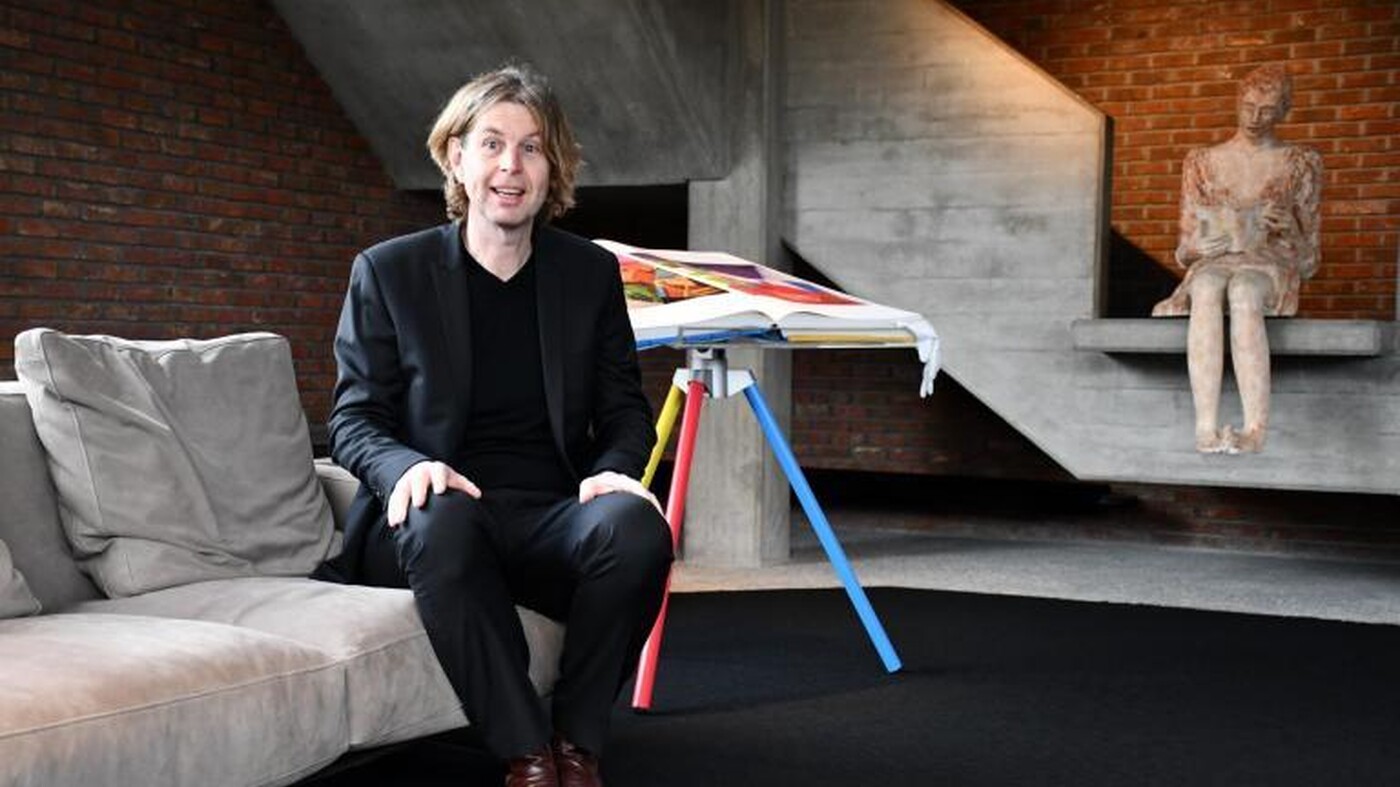
Karel Verhoeven on his couch
(Credit: Read My Lips)