

In her modest home in Oostkamp, the radiator clicks on, emitting a slow, metallic sound. Ade, a 52-year-old mother of three, wraps a blanket around her shoulders and opens her November energy bill on her computer.
"I don’t even look at the numbers anymore without feeling stressed," she says. "The bills just keep rising, and I can’t fully control the insulation or the boiler. It feels like I’m paying for something I don’t have the power to fix."
Despite the heater being on, the rooms around her feel chilly. She hesitates to turn it up further, knowing that every degree costs money. Her older children can keep themselves warm, but she still feels the weight of balancing comfort and cost. Outside, neighbours go about their daily routines, reminding her that she is far from the only one concerned about energy bills.
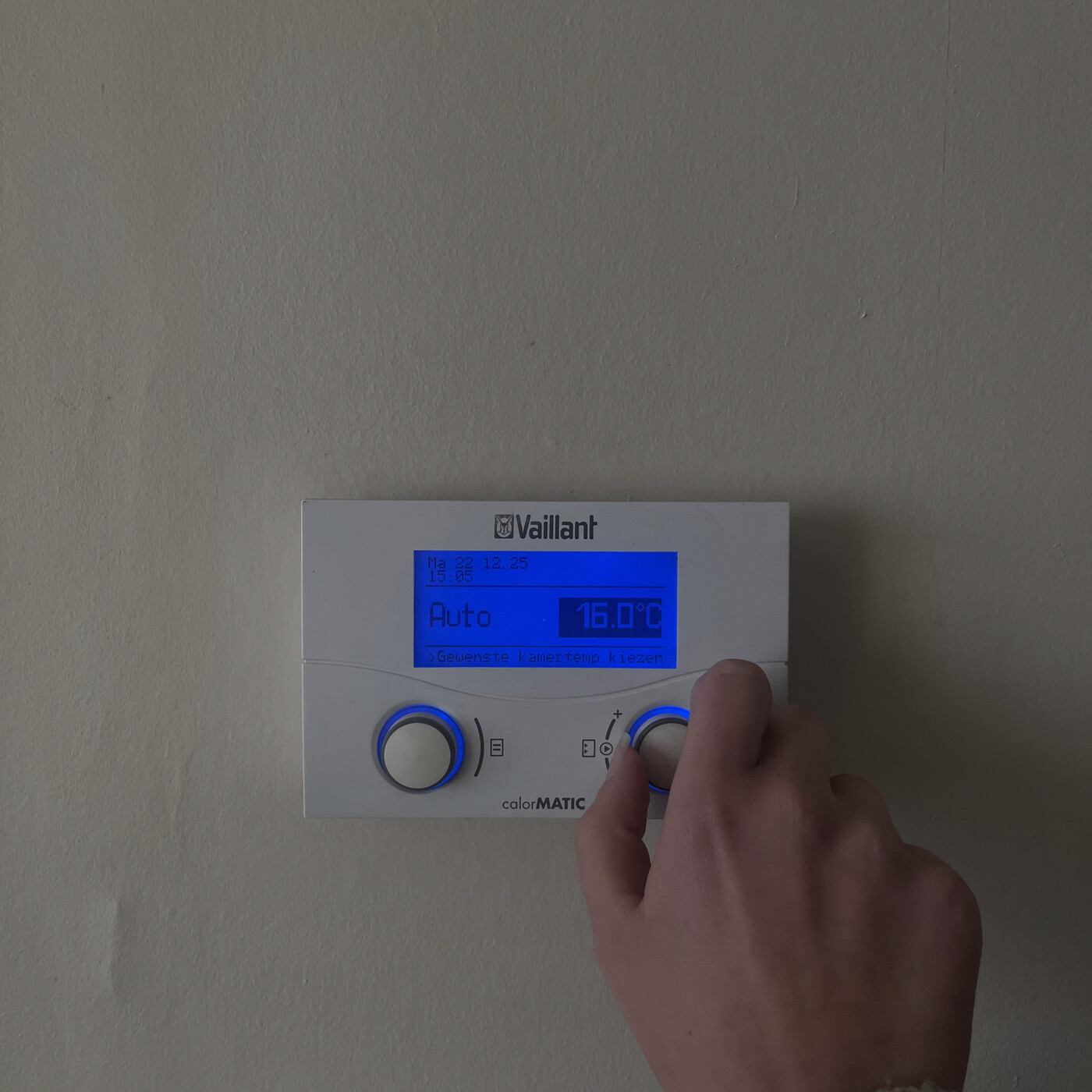
Homeowners in Oostkamp adjust heating use carefully to manage rising energy costs.
(Credit: Zehra Gürsoy)
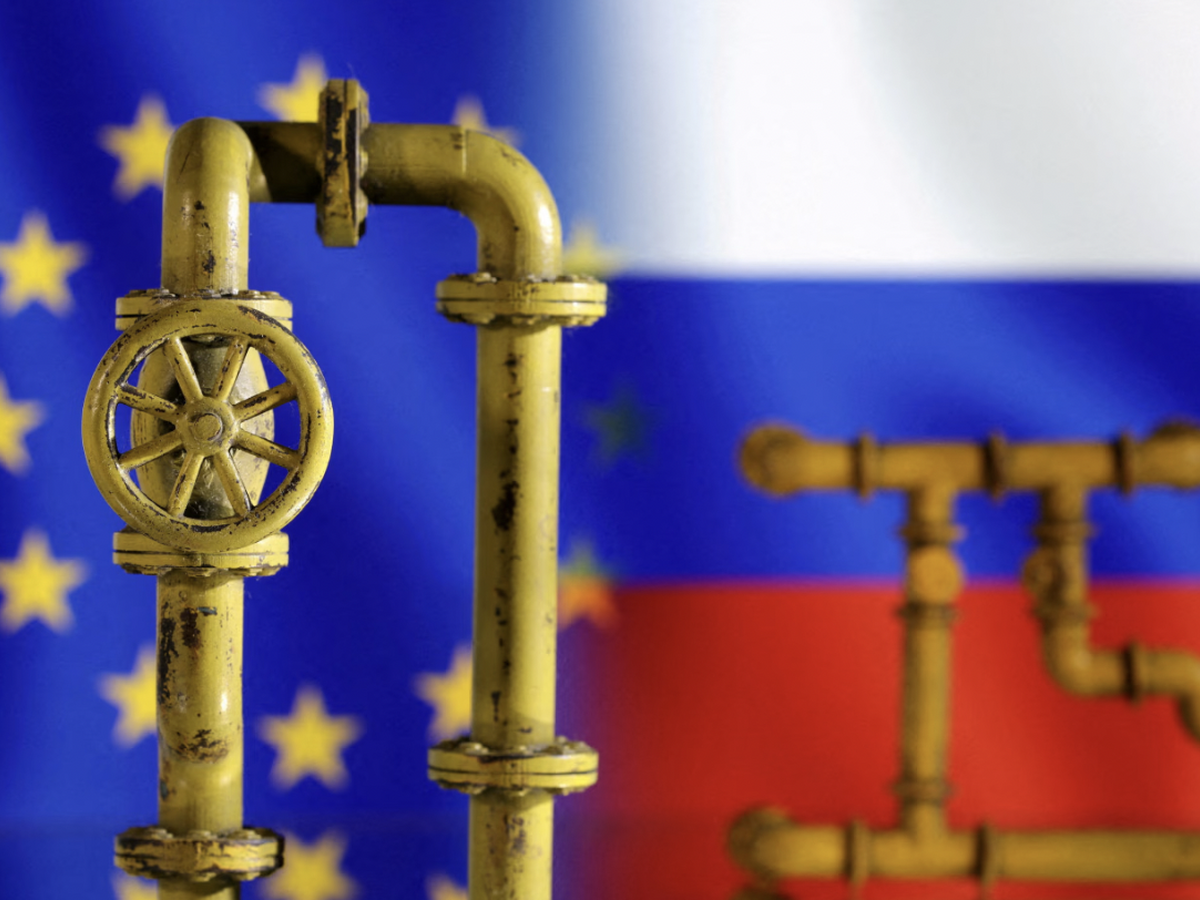
Following Russia’s invasion of Ukraine in 2022, the European Union has decided to stop buying Russian gas entirely by 2027. This will reduce Europe’s reliance on Moscow, improve energy security, and encourage member states to invest in renewable energy sources.
While this is a political decision, its effects are already being felt by households across Belgium. Energy bills have risen, heating decisions have become more complicated, and families are having to adapt to uncertainty. While governments are promoting energy-saving measures, exploring alternative suppliers and investing in renewables, these long-term strategies can seem abstract to ordinary citizens.
Over the past year, Ade has noticed a significant increase in her household energy costs. Energy conservation has become routine, involving wearing multiple layers indoors and carefully timing when to turn on the radiators.
"At least my children understand,' she says. 'But I can't stop thinking about families with young children. How do you explain being cold to a toddler?"
Although managing three children makes budgeting more challenging, Ade feels somewhat fortunate that her older children can manage their own comfort. This enables her to focus on managing the household as a whole without feeling ashamed.
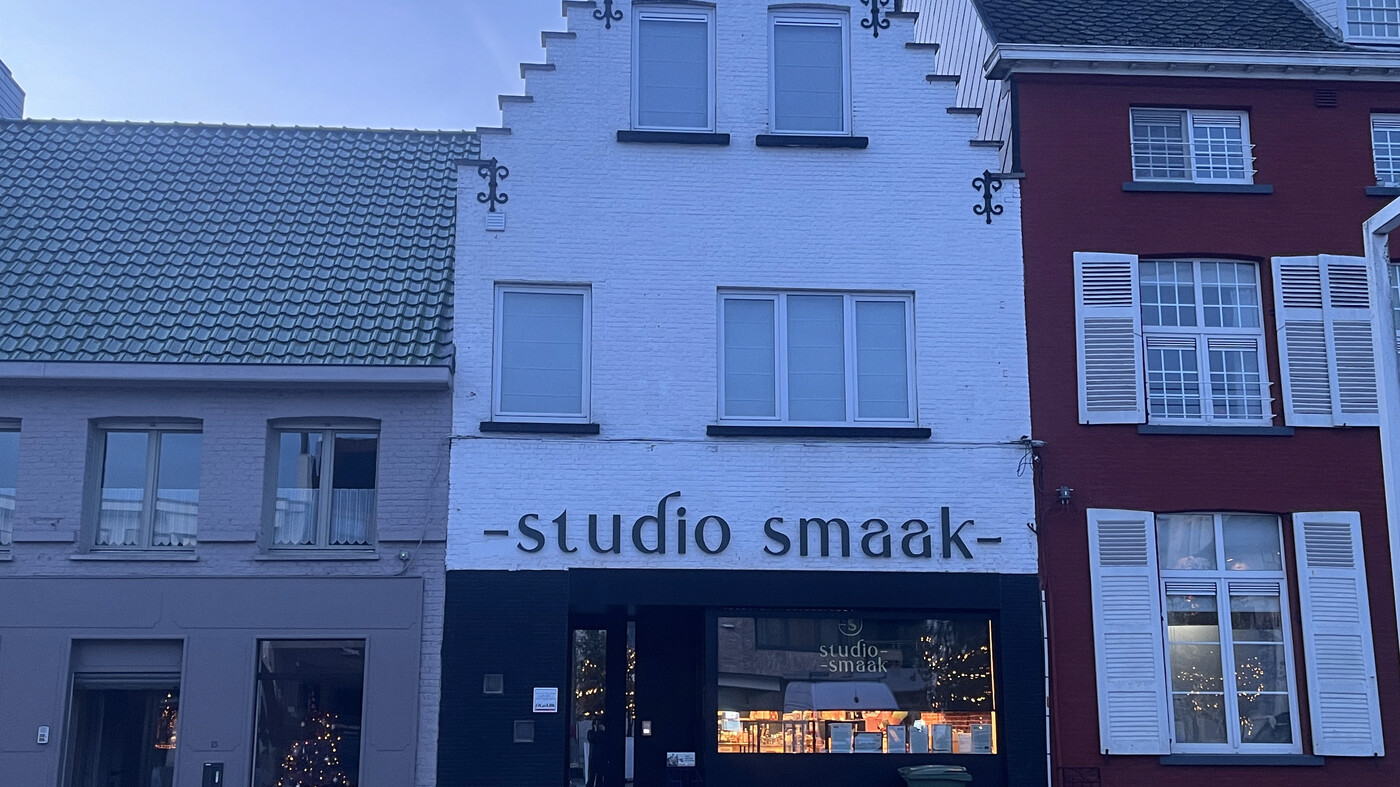
Studio smaak is a Local shop
(Credit: Zehra Gürsoy)
Other residents of Oostkamp have reported similar concerns:
"If it gets worse, I'll wear two jumpers," says a café worker.
"I didn't even know about the EU plan. I just know that everything is more expensive,” says a retiree in Markt Square.
"We are trying to save wherever we can, but it feels like there’s only so much one can do," says a young mother.
"Heating the bakery in winter is non-negotiable. Gas prices will make bread more expensive," says a local business owner.
These voices illustrate that, although the EU’s decision is framed in political and economic terms, it has an immediate and tangible human impact.
Rising energy bills can affect budgeting, heating habits and even health and comfort. The problem is compounded by poor insulation in older homes, especially for those who cannot afford renovations. Landlords, small businesses and housing authorities must balance costs, infrastructure and the well-being of their residents.
Social inequalities become more apparent as low-income households are hit hardest by rising prices, whereas wealthier residents have greater flexibility to adapt.
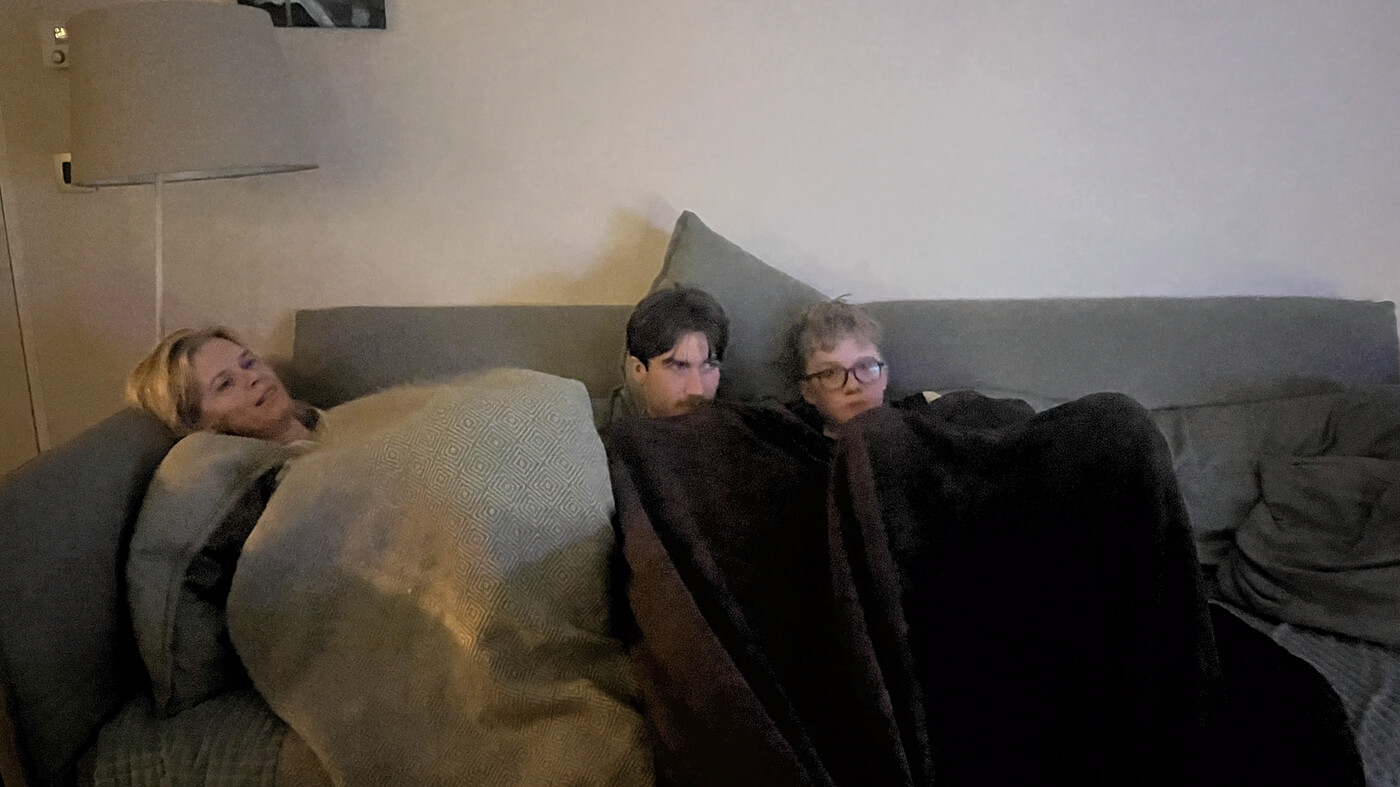
Ade is wrapped in a blanked with her familiy to stay warm
(Credit: Zehra Gürsoy)
By 2027, it is expected that European energy networks will rely less on Russian gas and more on alternative suppliers and renewable energy sources.
However, uncertainty remains for residents like Ade. Will subsidies or assistance programmes offset rising costs? Will municipalities provide support for energy-efficient renovations? How will small businesses survive peak winter demand?
While policy may promise long-term benefits, in the short term, people like Ade must adapt and live with anxiety about rising energy costs.
Back in her home, Ade adjusts her blanket and checks the thermostat again.
"You start to calculate warmth in euros," she says quietly.
Outside, the evening air grows colder, and the streetlights cast long shadows across the quiet streets. Ade hopes that better solutions will be found in the coming years, but for now, every degree counts.