

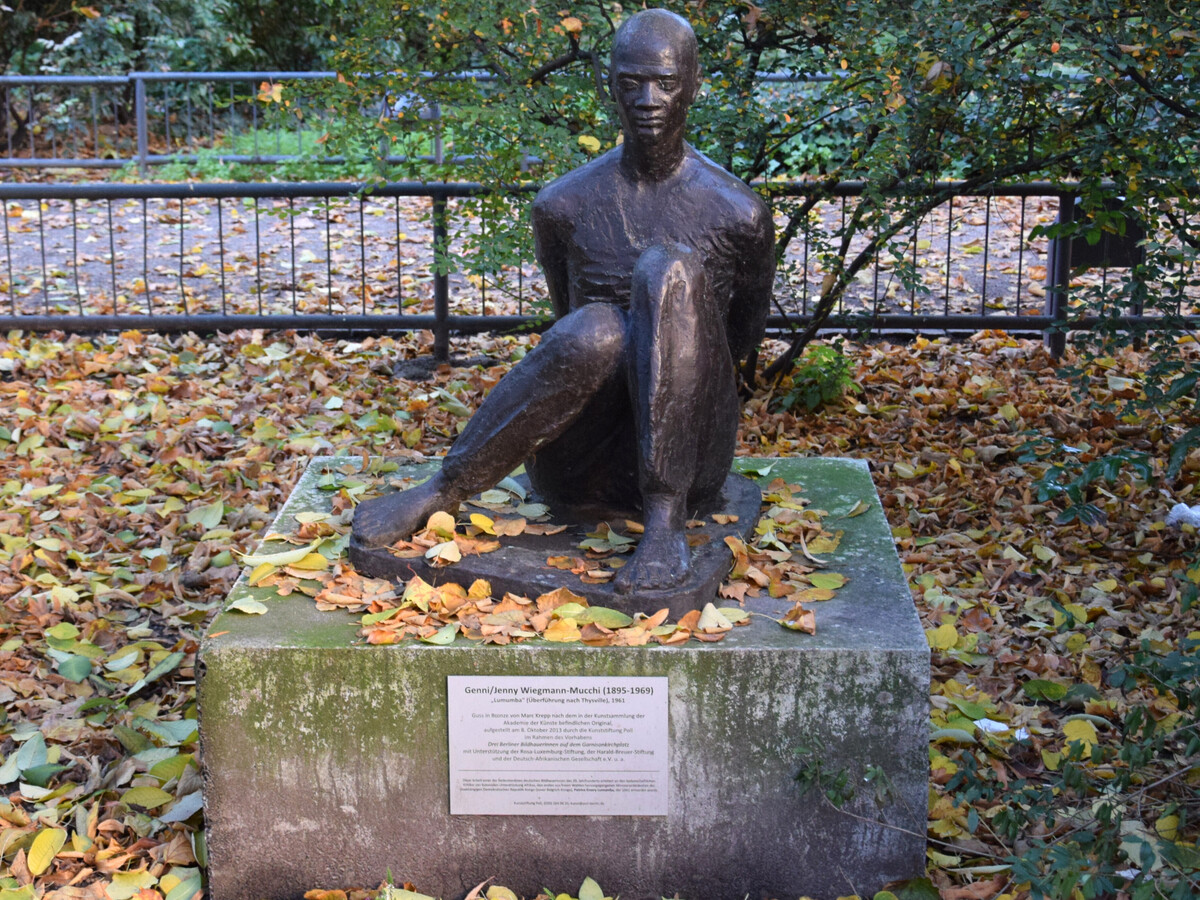
What is the trial about?
On the 23rd of June, 2011, a criminal complaint against 10 Belgian citizens was filed by the family of Patrice Lumumba - the first Prime Minister of the Democratic Republic of the Congo, alleging their involvement in his assassination. On the 17th of March, the Brussels Court of First Instance ruled to send the last surviving defendant, 93 year old Etienne Davignon, to face a trial over his alleged involvement in the assassination, which took place 65 years ago.
Who is Etienne Davignon?
Count Etienne Davignon is a retired Belgian diplomat and former European Commissioner. He has significant family ties to the Belgian political establishment through his grandfather - who served as Minister of Foreign Affairs, and his father-in-law - who served as Prime Minister and later NATO General Secretary. Etienne would work for the Belgian government from 1959 until 1965, after 1970 he would chair the boards of various European institutions, eventually serving as European Commissioner from 1977 to 1985. In 2004 he would be granted the honorary title Minister of State, and made Count by King Philippe in 2018.
How is he involved in the case?
His relation to the case of Lumumba’s assassination begins during his time working as a junior diplomatic intern under the Minister of Foreign Affairs. Prosecutors have alleged that Davignon had advance knowledge of the plan to arrest Lumumba, and accuse him of having a role in the unlawful detention and torture of the Prime Minister. As part of his work as a diplomat Davignon was tasked with convincing Kasa-Vubu, the then President of the Congo, with dismissing Lumumba. Davignon would succeed in this task. Shortly after Lumumba’s removal from power, he would be arrested. The deposed Prime Minister was still seen as a threat by the new government and its international backers. For this reason on the 17th of January, 1961, Lumumba was transported to Katanga - a breakaway, rebelling state supported by the Belgian government and mining companies. Hours after Lumumba’s arrival in Katanga, he would be executed.
Why was Lumumba assassinated?
Patrice Lumumba was widely perceived as a major anti-colonial and pan-African figure. Prior to independence he had been arrested for inciting violence, but would be released due to popular pressure in the Congo. He had first headed the MNC (Congolese National Movement), which won the country’s first elections and saw him become the country’s first Prime Minister. His seven month term was troubled by the Congo Crisis - a multifaceted civil conflict, characterized by ethnic violence, political instability and secessionist movements. Due to the Belgium government’s involvement in the secession of Katanga, Lumumba would break off diplomatic relations with the country, and request aid, first from UN Peacekeepers, and then from the Soviet Union. The move to align himself with the Soviets sprang an immediate response from Belgium, the US and other NATO countries, which began pressuring the Congolese government, culminating in a coup by Army Chief of Staff Mobutu - a Lumumba appointee, and US and Belgian government informant.
Why did it take so long?
The government of Mobutu would last throughout the Cold War, and receive support from NATO countries until the collapse of the Soviet Union. He would be removed from power only in 1997, following a popular rebellion against his rule, while he was receiving cancer treatment abroad. However, the lateness of this trial is not at all unique to Belgium. Only since the 1990s have countries begun to recognize and apologize for colonial atrocities, with the first recognition coming from the US in 1993 to the Hawaiians. Since then, only 13 countries would recognize and apologize for their colonial crimes, an overwhelming amount of which only began in the 2000s. Belgium itself would only recognize its “moral responsibility” in the assassination of Lumumba in 2002, and issue an apology for its colonial abuses in the Congo in 2020.
Why is it important?
No person has ever faced legal repercussions for colonial, or post-colonial crimes, if sentenced, Etienne Davignon would be the first. The Lumumba case is one of the last chances to prosecute someone for colonial crimes. Because of this it has become a major part of the legal battle against the injustices of colonialism, and it is not the only legal battle fought against it in Belgium. The Metis children born to couples of mixed Belgian and Congolese parents, taken forcefully from their families and transported to Belgium, have also been able to successfully pursue justice against the government. Critics and international rights organizations have long made the point that apologies for colonial crimes are not sufficient, when the results of centuries-long abuses often persist to this day. Some view these cases as the breakthroughs needed to turn apologies into legal, material justice.