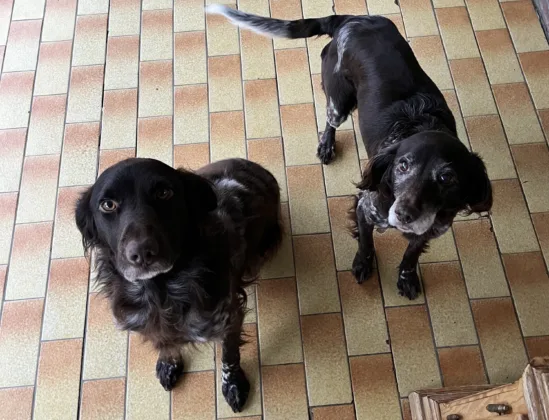

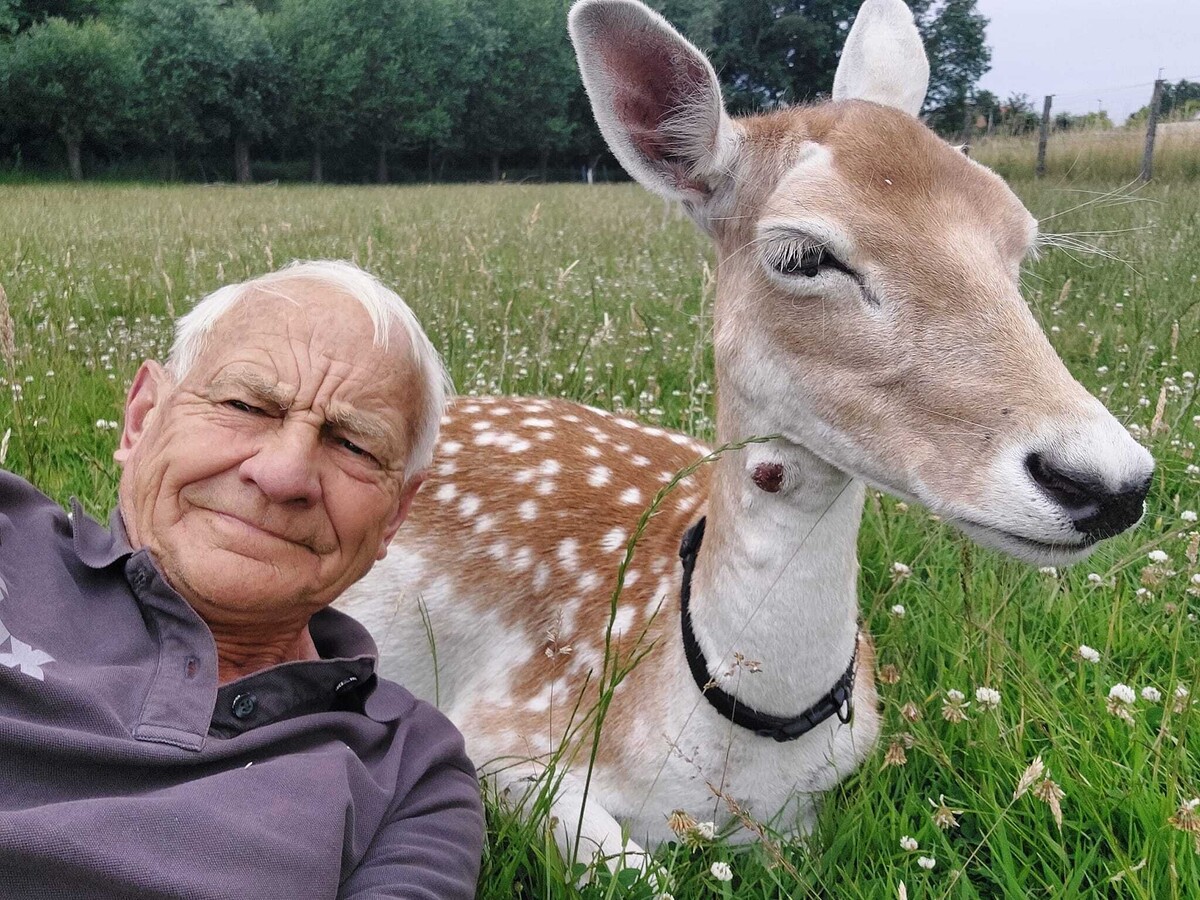
“I started hunting when I was 18 years old. First as a hobby, then to be able to carry weapons extensively. And later I started hunting with a group of people and became a real hunter.” – Etienne Gillabel
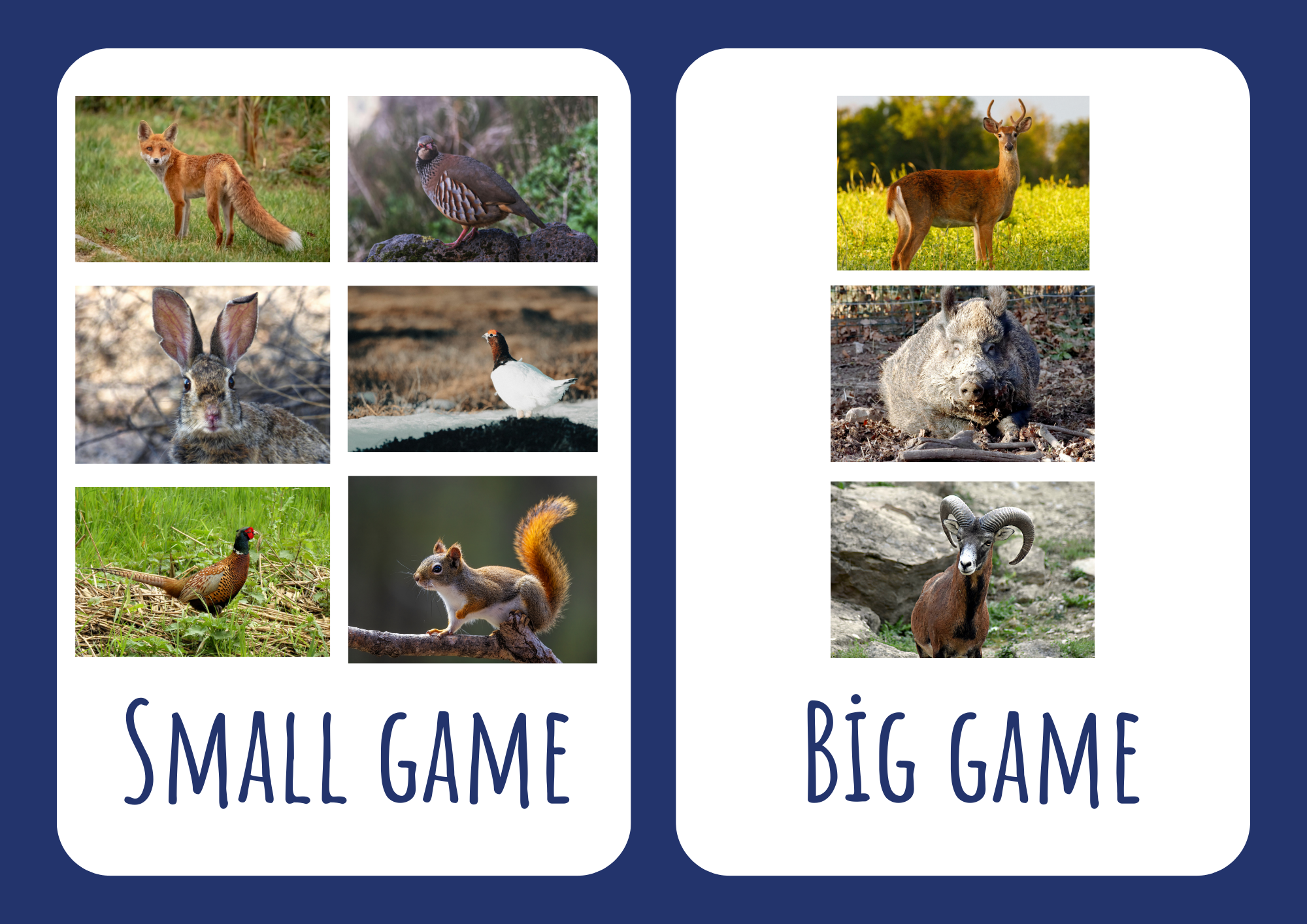
For the biggest part of his life, Etienne Gillabel has been hunting the forests and grasslands of Flanders. But now don’t get me wrong, when we are talking about hunting it doesn’t mean just shooting animals. As he told me, hunting also contains going around and checking whether the animals have enough food available. In winter for example, when it snows, nature does not provide the animals with enough food. So then the hunters go out and give them seeds and other food they might need. They also plant seeds and spread soil to ensure the growth of new plants they can eat. In Belgium, there are two different types of hunting. In Flanders, you have mainly small game. This includes foxes, pheasants, partridges, hares, and some more small wild animals. In Wallonia you have big game. Here we are talking about deer, wild boars, and mouflons. They each have a separate hunting season. But they do happen around the same time, in autumn. The hunting season is when they do actually hunt the animals. But the entire year around hunters are making sure the animals have enough food to survive.
In the west of England, trail hunting is a big sport. It mimics traditional fox hunting with dogs following a scent trail laid out by a person, to replicate the pursuit without killing an animal. But it has become quite controversial as it is suspected of being a smokescreen for illegal live fox hunting, leading to the recent proposals for a ban in the UK. Trail hunters are doing everything they can to convince people of the necessity of hunting and why it should remain. But they are facing a lot of pressure from people all around. Self-described hunt-saboteur Lyn Sawyer told the BBC that “This [trail hunting] is a smokescreen” for illegal activities. But as I spoke to Etienne it became clear that there are very strict rules around actual hunting, especially in Belgium.
“We have heard a lot of criticism on hunting. But those people don’t know what hunting is. Or how we hunt. And they think we are murderers.”, is what Etienne told me. As I said in the beginning of this article, we have 2 hunting seasons. Hunting can only happen during those specific seasons and every catch is counted to make sure they don’t catch too much. The only animals they can shoot all year long are foxes, with a special permit. So if there is damage to flock, the hunters check it out. And only if it was by foxes they can be shot. Marten or polecats for example cannot. Why exactly it is only foxes he wasn’t able to tell me.
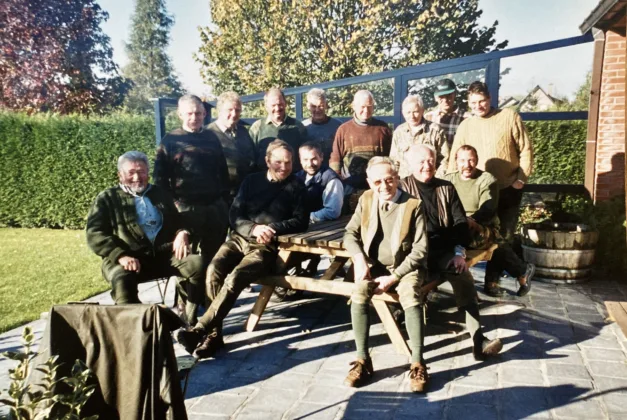
The biggest issue surrounding both trail-hunting in the United Kingdom and normal hunting here in Belgium is miscommunication. The general population does not have a good enough amount of knowledge about hunting to form an accurate opinion on it. In England, the Somerset Hunt Saboteurs have been using drones to follow the hunters. Recording everything they do to try and uncover any illegal activities. Whether or not the trail-hunters are actually doing anything illegal, is still being investigated by the local police department.
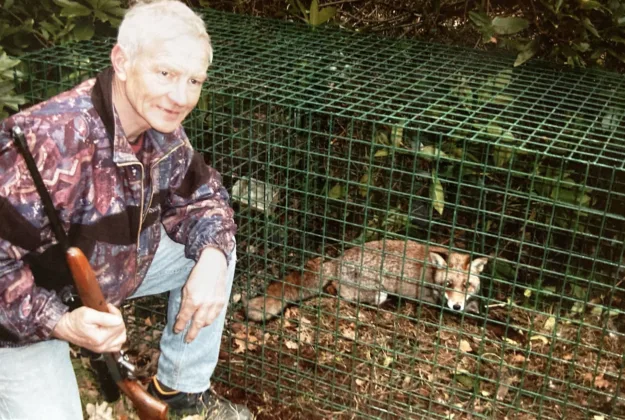
The more I talked to Etienne, the more it became clear that he does not think it very likely that there would come a hunting ban in Belgium.
“I do not see the ban on hunting happening here. Not in Belgium for the time being. Maybe in Flanders, if they build more housing, it will become more difficult. But if the hunt gets abolished, there will be nothing left in nature.” – Etienne Gillabel
Considering there are already a lot of rules around hunting, Etienne does not think that there will be a ban. Maybe more probation periods is a possible rule that the government might add. But they already have this. A probation period is an amount of time where certain animals cannot be hunted. This probation period is given by the St. Hubertus group which works in collaboration with the government. In spring they go out to count how many couples there are, pass this on and then they receive a message of whether or not they are allowed to hunt that animal.
But overall Etienne is quite certain that there is no reason for worry in Belgium. And if the government would start considering a ban, he says that he would ask them to actually join a hunt. “See what a hunt looks like, how and what is hunting. Because they don’t even know what a pheasant looks like, or what a partridge is.”