
The first time Mark De Meuleneere heard an AI-generated song, he was driving to work. It was a morning radio programme, the kind you half-listen to while thinking about the day ahead. The hosts played a track and explained it hadn’t been made by a producer, a band, or even a human. “I couldn’t believe it,” Mark says, “because it was properly done.”
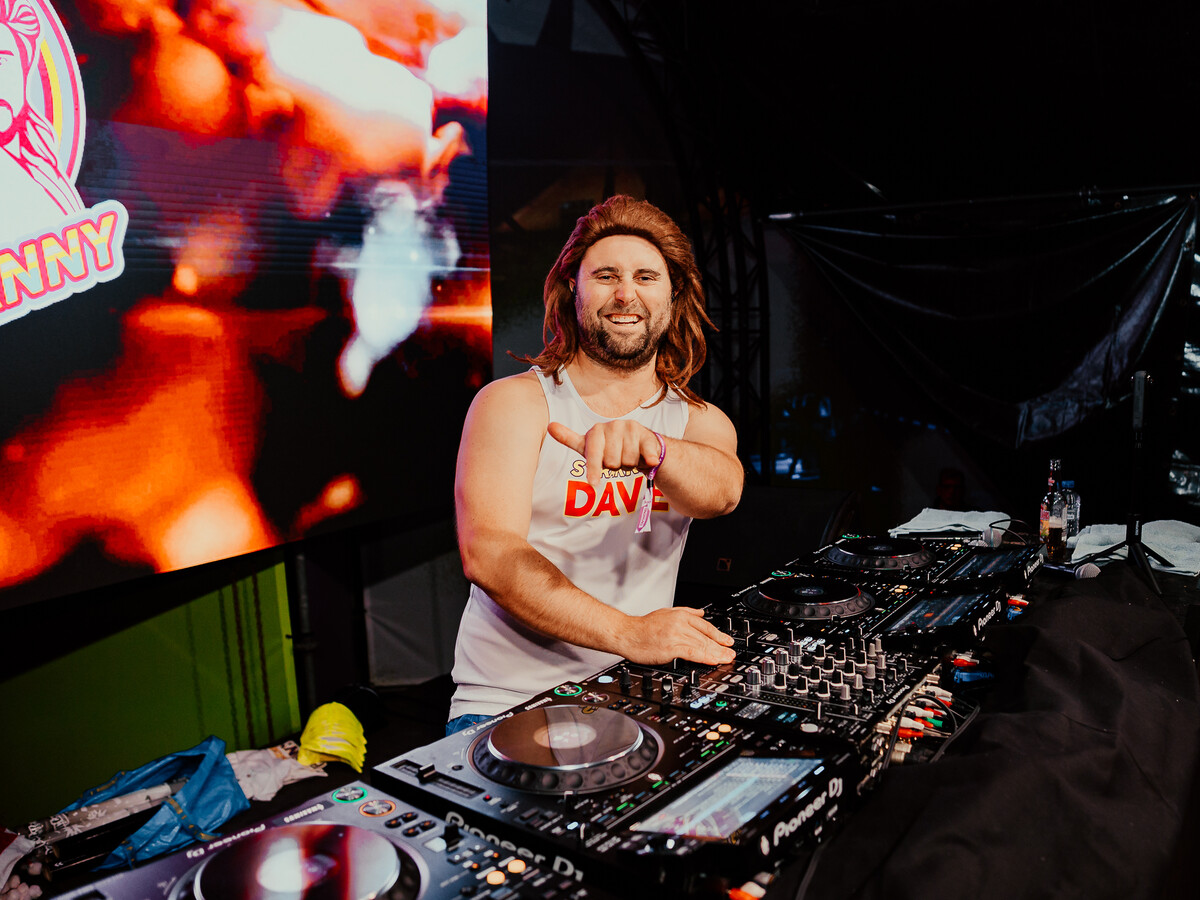
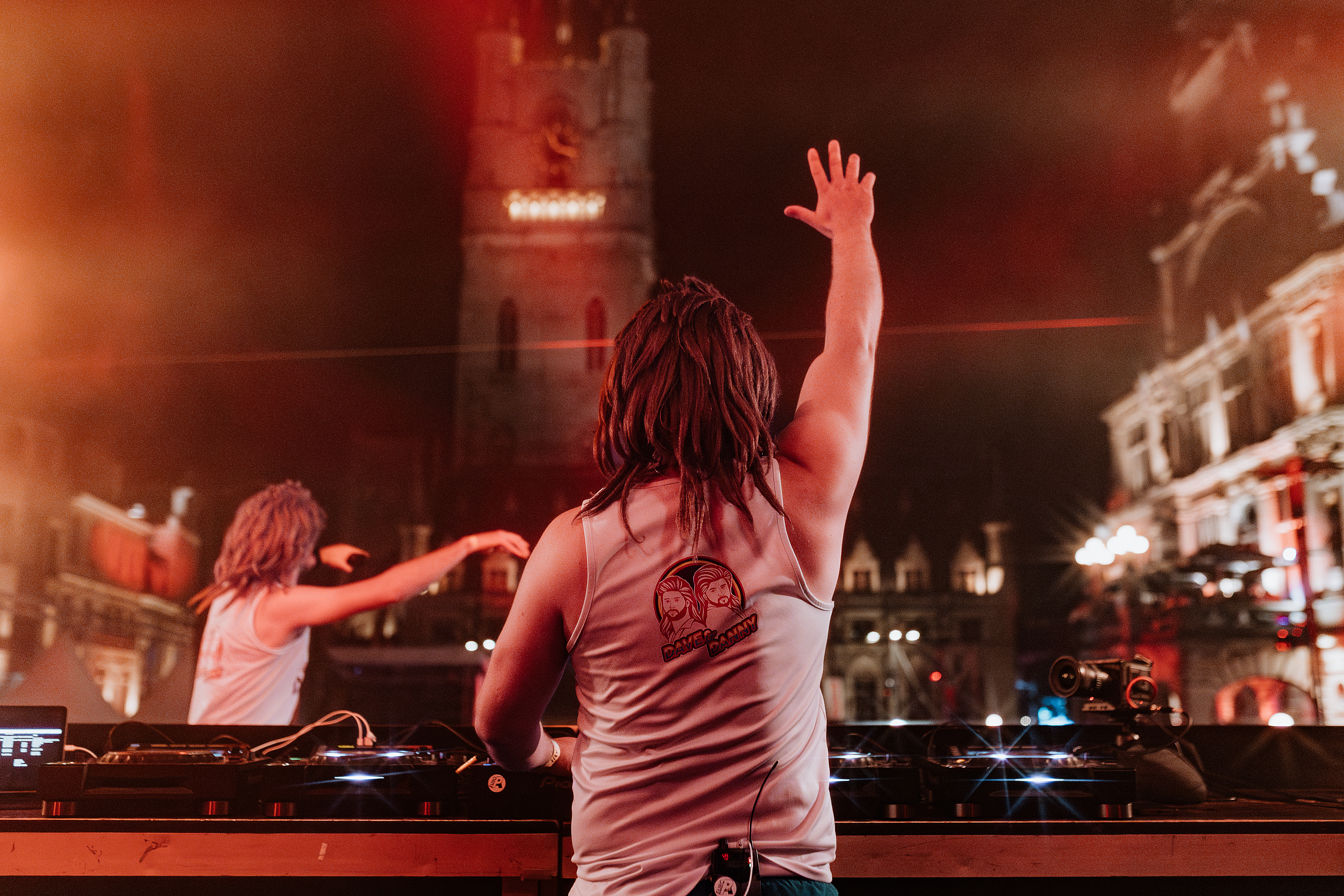
Mark is 37 and has spent most of his life surrounded by music. He got his first turntable at 12 and started DJing long before algorithms and prompts entered the studio. Today, he performs as part of a DJ duo and balances his musical career with a job in the lighting industry.
That radio moment stayed with him. Not because the song was bad, but because of what it suggested. “This is going to change the world,” he remembers thinking. In many ways it already has. Record labels are negotiating deals with tech companies, governments are writing new rules about voice cloning and copyright, AI-generated music tools like Suno and Udio have exploded in popularity. With a simple text prompt, users can now generate full songs in seconds.
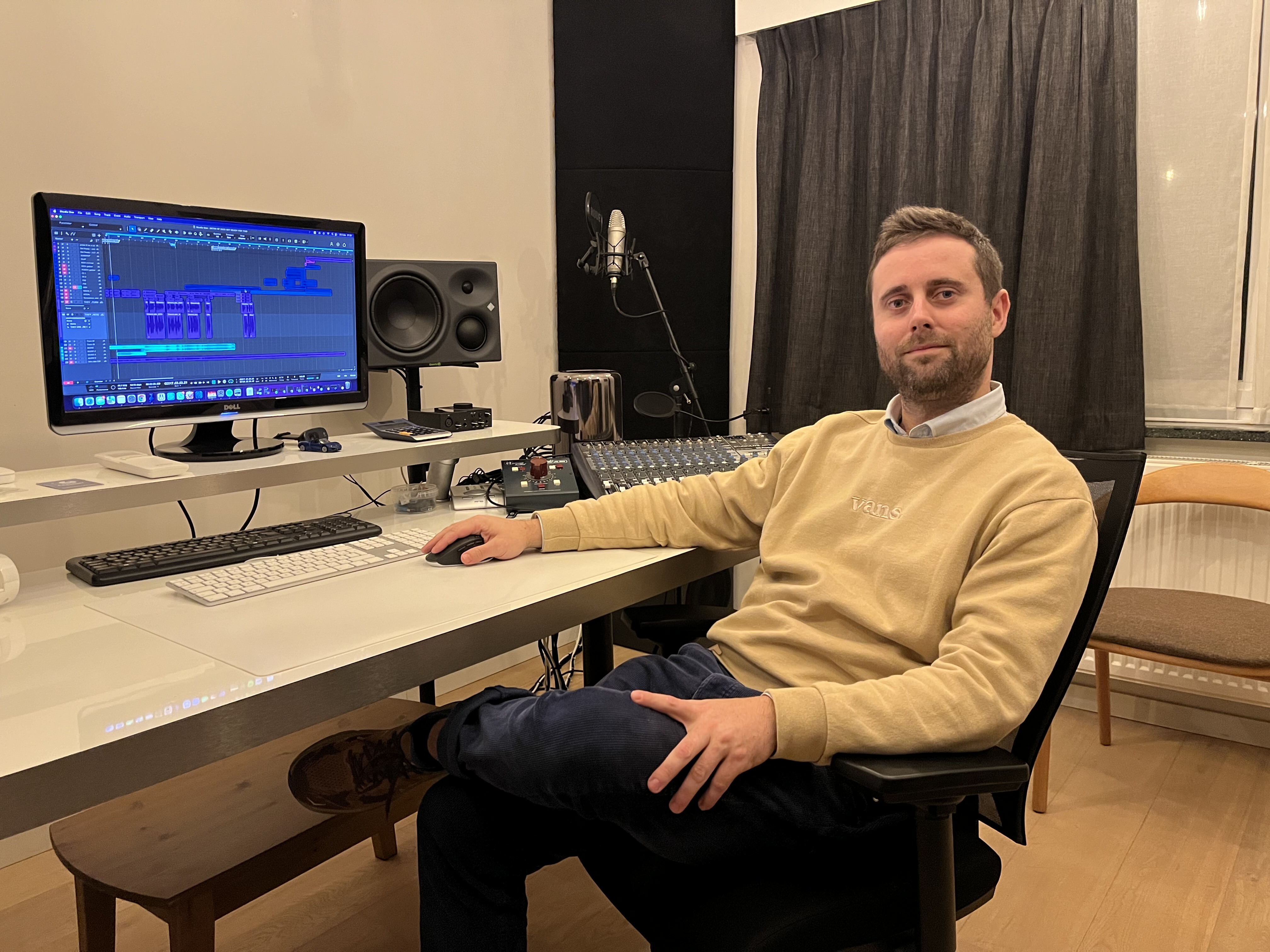
For Mark, the impact of AI is already real. His creative process, he says, usually starts with mood. “You're sitting at home and all of a sudden you're like, actually I feel like doing some stuff with music,” he explains. Inspiration might come from YouTube, sometimes from a sound on the radio or from out of nowhere. Then he goes to his studio and experiments. That process hasn’t disappeared with AI but parts of it have changed.
After hearing that radio broadcast, Mark experimented with AI himself. He tried to generate a full song, but the result didn’t impress him. “When you would have said 15 years ago to me like you're going to ask the internet to make a song and it happens, I would have not believed that that would be the outcome,” he says, “but it was not to the standards of what we are using today in music.”
AI proved useful somewhere else: voiceovers. Mark often uses voiceovers in his tracks. In the past, that meant hiring voice actors, sending emails with instructions, waiting days, and paying for revisions. Now, he types a few lines and hears the result instantly. “All of a sudden, I had it in front of me,” he says. “I could do it at the time I want and much cheaper. Whenever I needed something to change, it was just a click on a button.”
That convenience came with a realization. “This is probably one of the last times that I used a human being for that,” he admits. “AI will change the world in some kind of way and will steal people's jobs.” Still, Mark doesn’t see AI as something he fears. For him it’s a supporting tool, one that makes certain tasks easier, not one that replaces his role entirely. “It's the fact that I want to do something and the means and the ways to get to that end point are irrelevant;” he says. “How you get to that end point is the creative process.”
That perspective shapes how he thinks about creativity itself. Using AI doesn’t automatically disqualify someone as an artist, he argues. “Either AI is involved or putting a whole orchestra together. It's a person that has to take the steps to come to that end,” he says. “I think that person is still a creator.”
Not everyone in the industry agrees. As AI-generated tracks become harder to distinguish from human-made ones, concerns about authenticity and visibility have grown, especially for independent and local artists. What happens when AI-generated tracks flood streaming platforms, making it harder for artists to be discovered? What happens to local artists trying to be heard?
Mark remains optimistic. He doesn’t worry much about someone copying his style. “There are rules and regulations,” he says. To him, AI is simply the latest step in a long history of technological shifts, much like synthesizers in the 1980s, once dismissed as controversial. “Either you hate it or you embrace it and you actually use it,” he says, “because the world will keep evolving.”
There is one thing that Mark wouldn’t like to see changing and that is the person behind the music, someone making choices and bringing intention into the process. “I would hate it if someone would just give a carte blanche to AI,” he says, “and say I don't care if it's rock, if it's EDM, metal, R&B, drum&bass, just make me money.”
As AI music continues to improve, Mark isn’t sure listeners will always hear the difference. He already couldn’t on that radio broadcast. But for him, the value of music has never been only in the sound itself. It’s in the choices, the intent, and the human story behind it, even if the tools keep changing.