
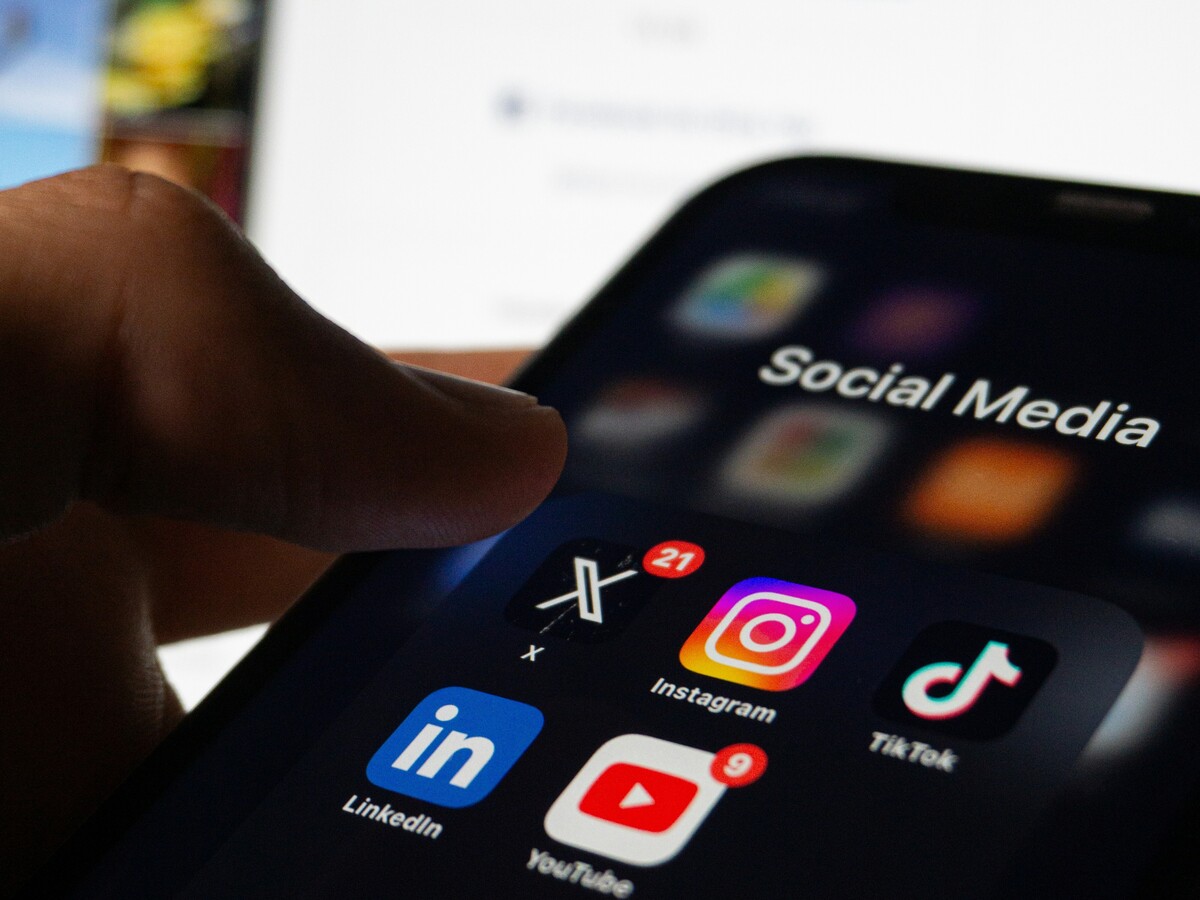
When Australia passed legislation banning social media for anyone under 16, most Belgians barely noticed. But in a classroom in Mechelen, five 15-year-old girls had opinions. Strong ones. Contradictory ones.
I sat down with Emma, Sophie, Lina, Marie, and Amelie after school to talk about the ban. What I got was an hour long of heated debate, self-contradiction, and the kind of messy honesty that only teenagers can deliver when discussing something that actually affects their lives.
What Australia Actually Did
2025, Australia became one of the first countries to ban social media platforms for children under 16. The law requires companies to verify users' ages and threatens fines up to 50 million Australian dollars for violations. The government claims it's about protecting young people's mental health.
But for teenagers, like the ones I spoke to, the law raises uncomfortable questions about trust, freedom, and whether adults understand the digital world they're trying so hard regulate.
"Finally Someone's Doing Something" (But Not to Me)
Lina jumps in first. "Honestly? I think it's a good idea. Everyone knows social media is bad for mental health."
She tells me about her cousin who developed an eating disorder at 13 from scrolling fitness influencers all day. "If her parents hadn't taken her phone away, I don't know what would've happened."
Sophie nods along. “There's just so much pressure. You have to look perfect, be funny, always available. It's exhausting."
Then Lina adds: "I mean, I'd hate it if they did that here. Like, how would I talk to my friends? But for other people, younger kids maybe, it makes sense."
Emma laughs, frustrated. "That's exactly the problem! Everyone thinks the ban is good for other people but not for them. That's so hypocritical."
The table goes quiet for a second. Everyone knows she’s right.
"We're Not Stupid"
Marie is the most opposed. She runs an Instagram account with nearly 1,000 followers where she posts her artwork.
"I've learned so much from other artists online. If I lived in Australia, I couldn't do any of that just because I'm not 16 yet?" She argues the ban infantilises teenagers. "We can make our own decisions. We're not stupid."
But then, minutes later, she admits staying up until 2am scrolling, comparing herself to other artists, feeling like giving up. "But that should my choice to make, right?"
Amelie, who claimed at the start she barely uses social media, suddenly gets passionate. "Adults are always on their phones too! My mom is on Facebook constantly. Why is it only kids who need protecting?"
Yet when I ask if her 12-year-old brother should be on Instagram, she pauses. "Well... no. He's too young."
The irony sits heavy on the table.
The Group Chat Problem
One thing unites them: panic about communication.
"Our entire social life is on Instagram and Snapchat," Sophie explains. "If someone's having a party, that's where you find out. If you're not on the group chat, you basically don't exist."
Emma agrees, then catches herself. "Although, actually, sometimes I wish I could just... not be on the group chat. I get 200 notifications a day. It's stressful. But if I leave, people get offended."
Lina suggests alternatives. "You could just text."
Emma protests. "What are you, 40?"
Marie adds, "What about seeing what your friends are doing? What about stories?"
"Maybe that's the point," Lina says quietly. "Maybe we shouldn't need to see what everyone's doing all the time."
Nobody responds.
The Trust Thing
The most emotional moment comes when discussing what the ban represents.
"It's like they don't trust us at all," Amelie says, voice rising. "They think we can't handle anything ourselves."
Sophie offers a different take. "Maybe it's not about trust. Maybe adults just see things we don't see yet."
“No. That's so patronising," Marie shoots back.
"Is it though?" Sophie asks. "Like, when I was 12, I thought I could handle everything. Now I look back and realise I was kind of a mess."
Emma laughs. "You're saying in three years we'll look back at 15-year-old us and think we were a mess?"
"Probably," Sophie says, and everyone laughs.
What Nobody Wants to Admit
As we talk, the contradictions pile up. Every girl who supports the ban adds a "but not for me" caveat. Every girl who opposes it admits social media has hurt them or someone they know.
Sophie has cried over comments. Emma feels "never enough" scrolling through everyone's highlight reels. Lina's cousin with the eating disorder. Marie's 2am scrolling sessions. Amelie's FOMO keeping her glued to her phone despite claiming she barely uses it.
"I guess the problem is there's no good solution," Lina finally says. "A ban is too extreme, but doing nothing obviously isn't working either."
So I ask them the obvious question: would they be happier without social media?
Long pause.
"Yes," Sophie says.
"Probably," Emma adds.
"I don't know. Maybe?" Lina offers.
"I want to say no, but actually, maybe yes?" Amelie admits.
Only Marie says no. She likes her life with it.
And yet none of them are deleting their apps.
What This Means Here
Belgium hasn't announced plans to follow Australia's lead, but the conversation is happening. Parents, teachers, policymakers are watching.
For these five girls, the debate is both distant and deeply personal. Australia might be on the other side of the world, but the questions are universal: How do we protect young people without controlling them? Who gets to decide what's best for a generation growing up in a world their parents barely understand?
As I pack up and they immediately check their phones, Emma has the last word.
"Whatever they decide, we'll find a way around it anyway."
She's smiling, but there's something sad in her eyes. Maybe it's the realisation that she's right. Or maybe it's the wish that she didn't have to be.