

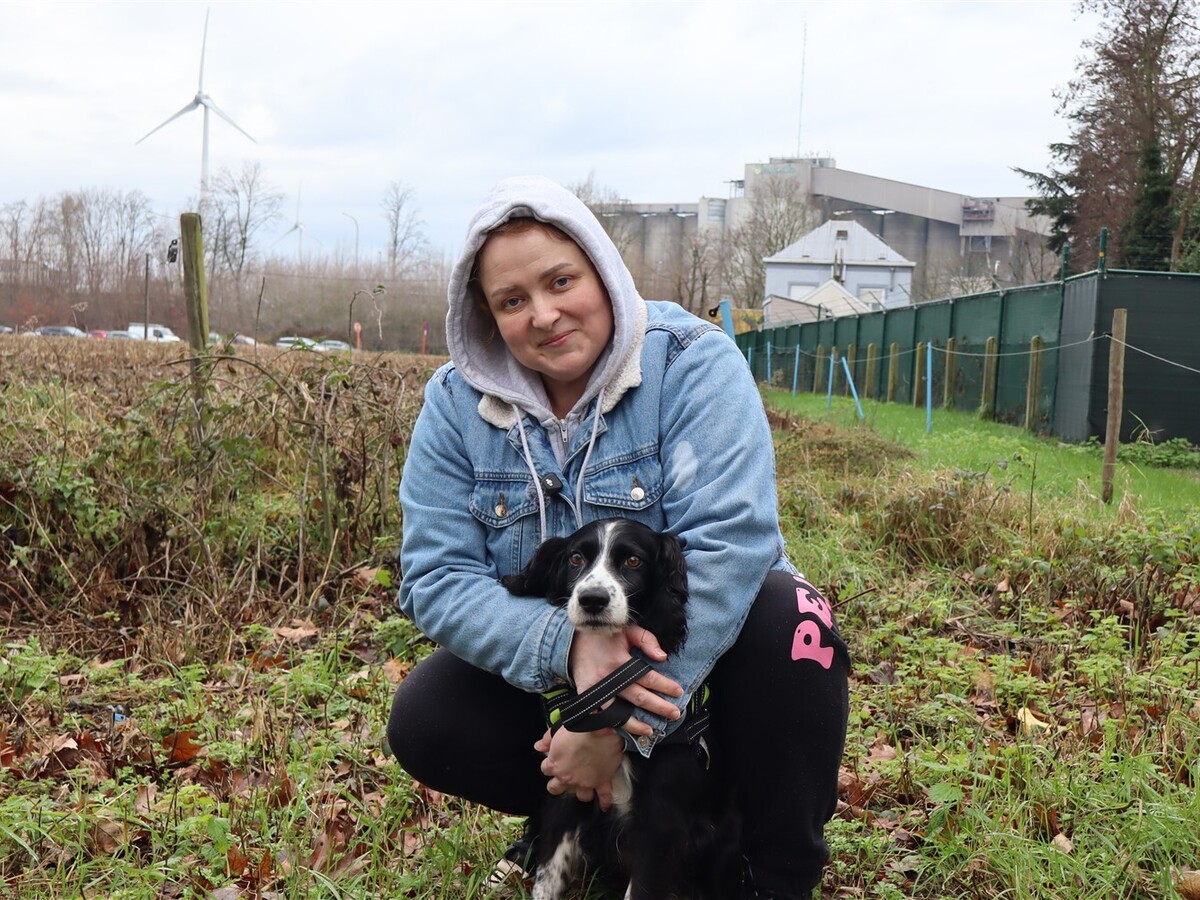
While Svetlana tries to rebuild her life abroad, President Donald Trump is moving forward with an ambitious 28 point peace plan intended to end the war between Russia and Ukraine. After previously helping to broker a ceasefire between Hamas and Israel, Trump has now turned his focus to what many see as a far more complicated conflict. His proposal would require Ukraine to recognise Russian sovereignty over annexed regions such as Crimea, Donetsk, and Luhansk. In addition to the areas already occupied by Russia, Ukraine would also be expected to give up parts of the Donbas it still controls, where around 200,000 Ukrainians currently live.
For Svetlana, discussions about borders and territory carry a different weight when there is no home left to return to. "Here, at least they provide some kind of housing, but there's simply nowhere to return to," she says. When she hears that Ukraine might have to give up land, her response reflects exhaustion rather than political conviction. "Whatever territories there are or aren't, the main thing is that there is peace and that we can all go back.”
Ukrainian President Volodymyr Zelensky continues to insist on preserving the country’s territorial integrity and has rejected any land concessions since the invasion began in February 2022. Trump’s plan does include security guarantees, but these come with strict limitations. No NATO troops would be stationed in Ukraine, and the country would have to change its constitution to formally remain outside the alliance. Ukraine’s army would also be limited to 600,000 soldiers, a condition that has raised concerns among European leaders about the country’s ability to defend itself in the future.
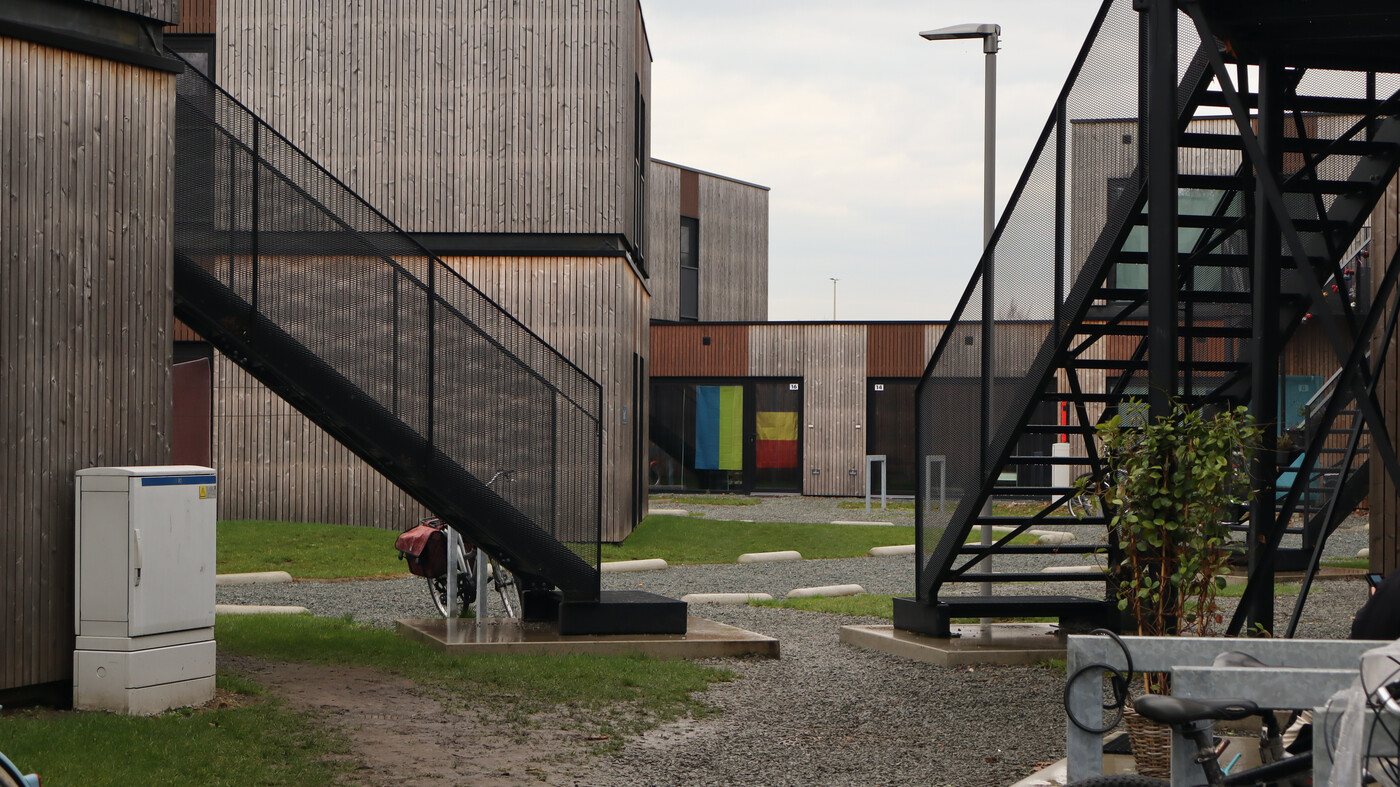
The Belgium government has made multiple temporary housing for Ukrainians refugees, one such place is located in Oostakker, Gent
(Credit: Photo: Rob Declerck).)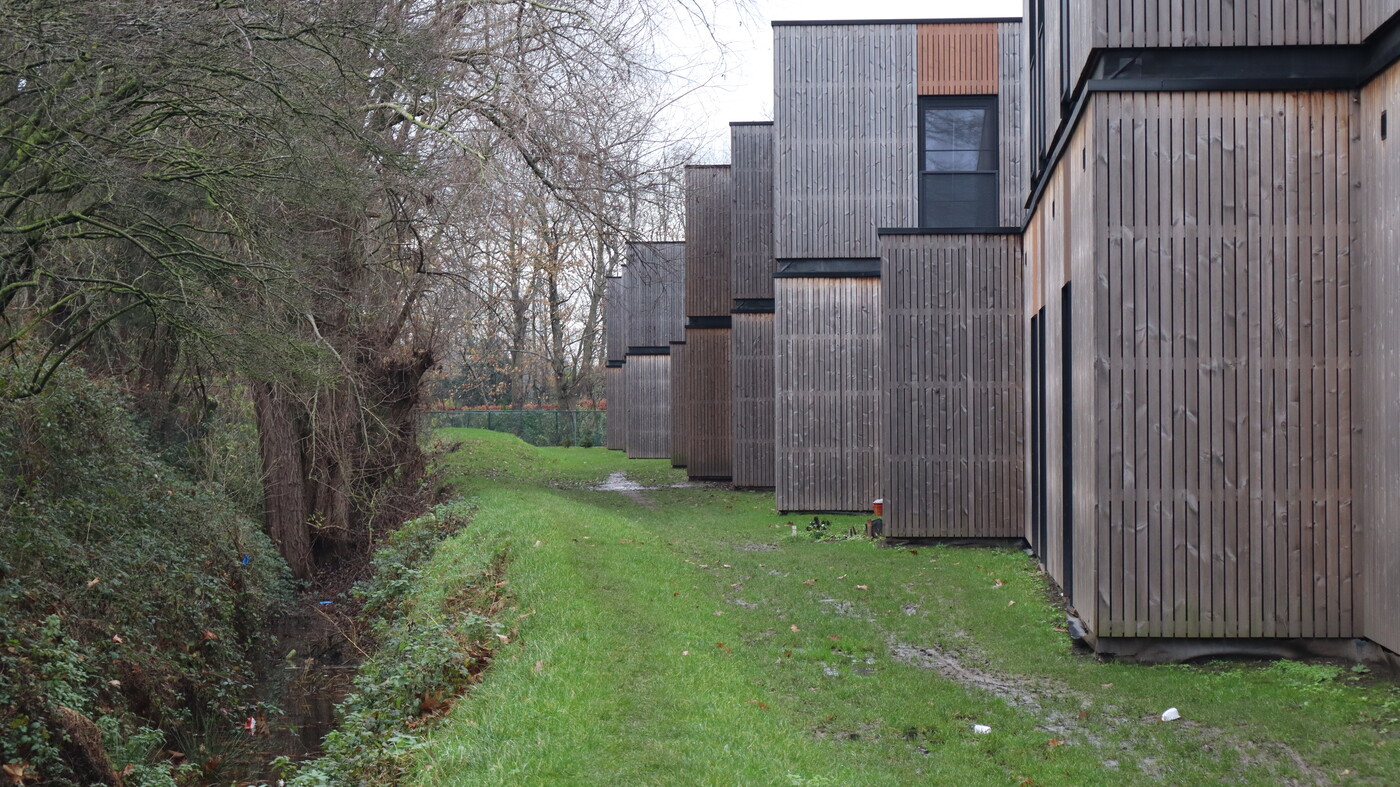
The Belgium government has made multiple temporary housing for Ukrainians refugees, one such place is located in Oostakker, Gent
(Credit: Photo: Rob Declerck).)
Svetlana’s mother still lives in Ukraine. The two speak regularly, and her mother’s views closely match Svetlana’s own practical outlook. "They just want the war to end as soon as possible, to somehow resolve this conflict, so that everything is normal and peaceful, to come to some kind of agreement, even if we lose territory."
"Many want to return. Many do not want to be here because it is really difficult," Svetlana says. "It is not so difficult to adapt, but it is difficult to find a job, settle down. There are also problems with the language." In Brussels, where around eighty percent of the population speaks both Dutch and French, language often increases her sense of isolation. "When you go to a store or anywhere else, people simply turn away when you start speaking something in Dutch. But French is more prevalent there. It's difficult."
If peace were declared tomorrow, Svetlana says she would want to go back, but she lacks the means to do so. "First of all, I need money to buy a house, or I just need money to go back to Ukraine, to live somewhere. I can't earn that kind of money in Ukraine."
When asked what worries her most, Svetlana immediately thinks of those who were unable to flee. "The fact that there are still raids in Ukraine, that many mothers who cannot leave, who are already elderly, are staying behind, that's what worries me. They are the mothers who raised us, they stayed behind, and it is impossible to take them away because of illness or because they are old."
Still, she does not believe that peace depends only on talks between Russia and Ukraine. Asked whether she trusts the peace plan to protect Ukraine in the long term, she points to the responsibility of Western countries. "I think that it doesn't just depend on Russia and Ukraine. I think it also depends on Europe to a greater extent, on what Europe will do."
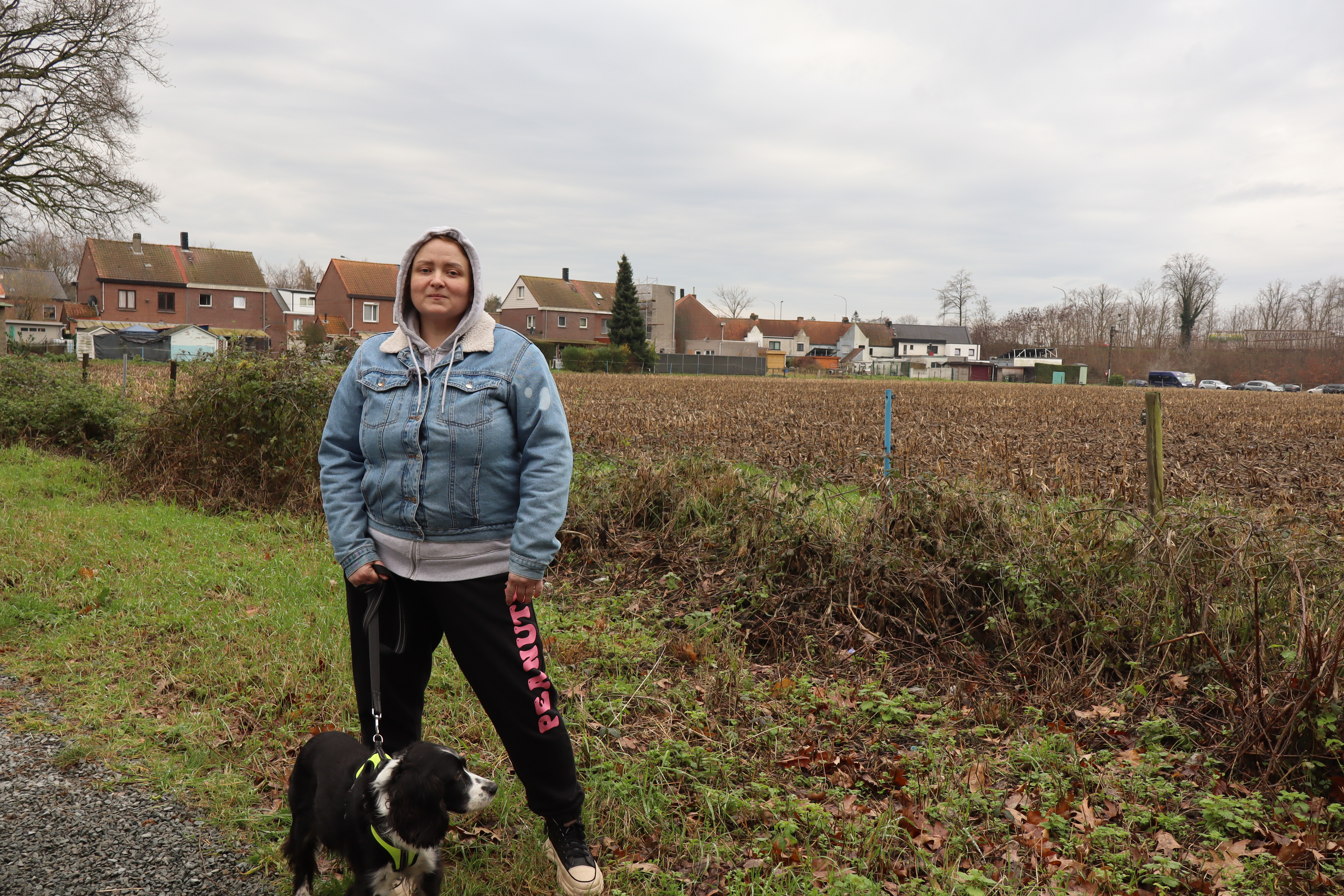
Her message to political leaders involved in the negotiations is clear. "I think we need to come up with some kind of document between countries, not just between Ukraine and Russia, so that it is an agreement between other countries that are currently helping Ukraine, namely the European countries, so that they too sign this document, set the rules, and put their seal on it."
As the war moves into its fourth year and negotiations continue, Svetlana remains caught in uncertainty. The peace plan currently under discussion could bring an end to the fighting and allow many Ukrainian refugees to think about returning. Yet for someone whose home has been destroyed, whose mother still lives under threat, and who lacks the resources to rebuild, peace on paper may not be enough.
Trump’s 28 point plan may succeed in stopping the violence. But for Svetlana, and for millions of others like her, the question goes beyond the end of the war. It is about what kind of future peace can offer, and whether Europe will continue to stand behind Ukraine once the negotiations end and global attention moves elsewhere.