
Fidias Panayiotou is a Cypriot social media creator and politician. He first became widely known on YouTube and TikTok, through a video where he said Mr Beasts name 1 million times. Since then, he has shifted the focus of his channel, through which he built a large following by posting provocative and humorous videos on political and social issues.
In June 2024, Fidias was elected as an independent Member of the European Parliament, campaigning through social media rather than traditional political channels.
He has found himself in some controversy since he has been elected, mainly due to his stances on the Russia-Ukraine war and the Russian regime. He has stated on multiple occasions that the EU should not send weapons to Ukraine and should only engage in diplomatic solutions.
What claims were made?
In the video, Fidias claims that Greece is moving in the opposite direction of other European countries, which he says are reducing working hours to improve work-life balance and productivity.
Fidias links the new law to low wages in Greece and argues that workers are forced to work extra hours to afford basic needs. He further states that the law mainly affects workers in sectors such as services and tourism and allows employers to extend working hours instead of hiring more staff.
By framing the new law as a way of “legalising exploitation,” Fidias implies that workers in Greece can be forced to work longer days, up to 13 hours per day. The general narrative of the video suggests that long working days could become the norm for many workers, rather than being limited to special situations.
The claim raises the question of whether the Greek labour law actually makes 13-hour workdays legal for workers in general, and whether employees can be obliged to work such long shifts.
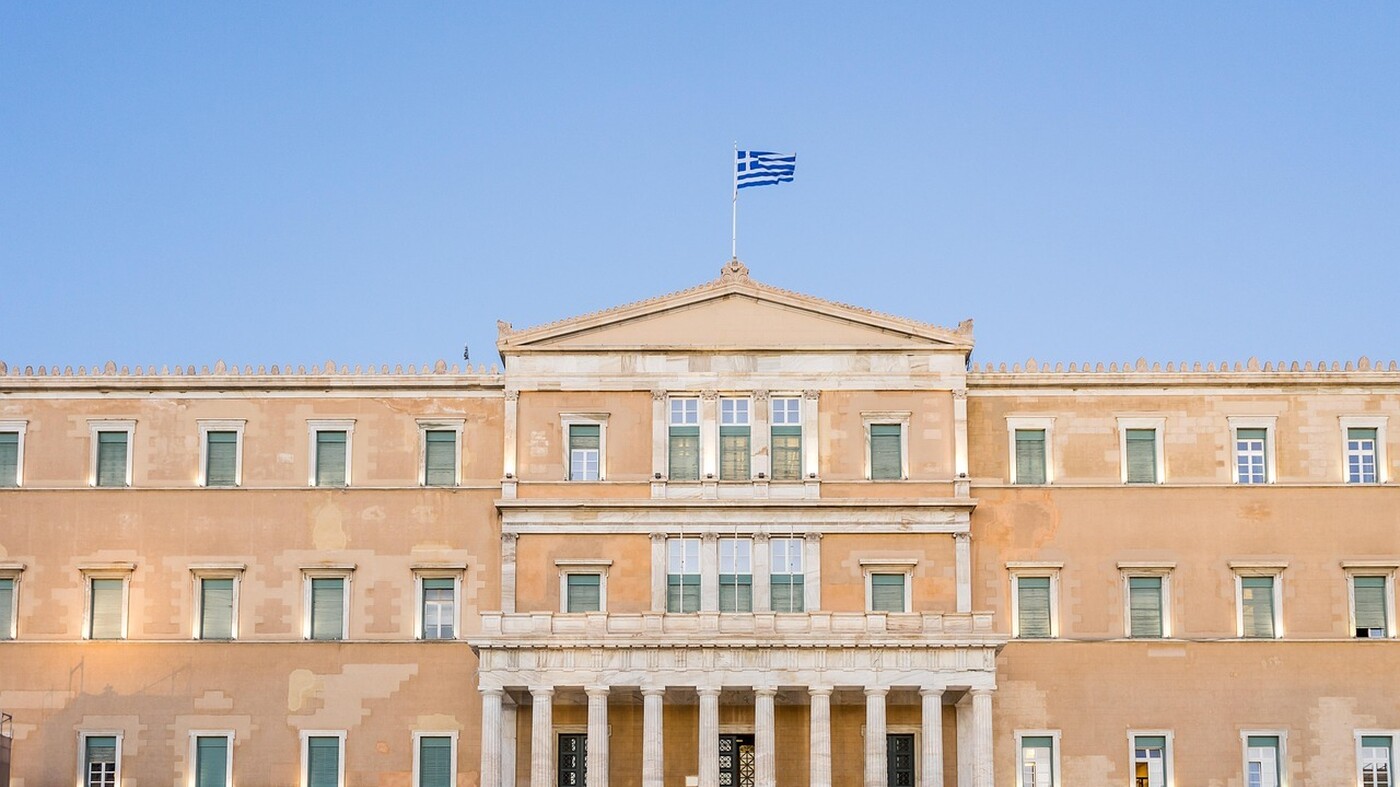
Houses of parliament, Greece, Athens,
(Credit: Leonhard Niederwimmer)
Were his claims correct?
On October 25th, 2025, The Greek parliament did approve a new labour reform under Law 5239/2025, which includes changes to working time arrangements and allows working days of up to 13 hours.
Fidias shortly mentions a safeguard: a 150-hour overtime limit every year. This limit has stayed the same as before the new reform law. The law thus only affects the daily limit of overtime and not actually how much anyone is ‘allowed’ to work each year.
Secondly, Fidias fails to mention two other key safeguards in the reform: Pay during these hours being raised by 140% and the working time only being valid if it’s agreed upon by both employer and employee. Therefore, the employer cannot force a 13-hour working day, as the employee must voluntarily agree to this and be compensated for it, says Anton Lecompte, corporate lawyer.
Lastly, the Greek 13-hour working day arrangement complies with European requirements (11 hours' rest, max. 48 hours per week, voluntary + allowances). This makes it in line with the European Working Time Directive, just as any other EU country.
Despite the safeguards highlighted by the government, the law has been met with strong criticism from trade unions. Greek unions warn that the reform could normalise longer working days and increase pressure on workers to accept extended hours, leading to protests and strikes following the law’s adoption. However, these concerns relate to the potential social effects of the reform, rather than to the legal claim that workers can be legitimately forced to work 13-hour days.
Why this framing?
What Fidias’ motives were when he made these statements is unclear, but the way he framed the information at hand is something he’s familiar with. Fidias has used his role as a ‘political influencer’ before to resonate his pro-Russian stances with his young followers.
According to Darian Harff, expert on social media influencers and Postdoctoral researcher at the University of Vienna, Influencers tend to simplify complex political topics to make them accessible, especially for younger audiences. On top of that, the video’s emotional framing makes it more engaging and persuasive. It can also make viewers less likely to question the framing, the motives behind it, or the completeness of the information, Harff says.
Conclusion
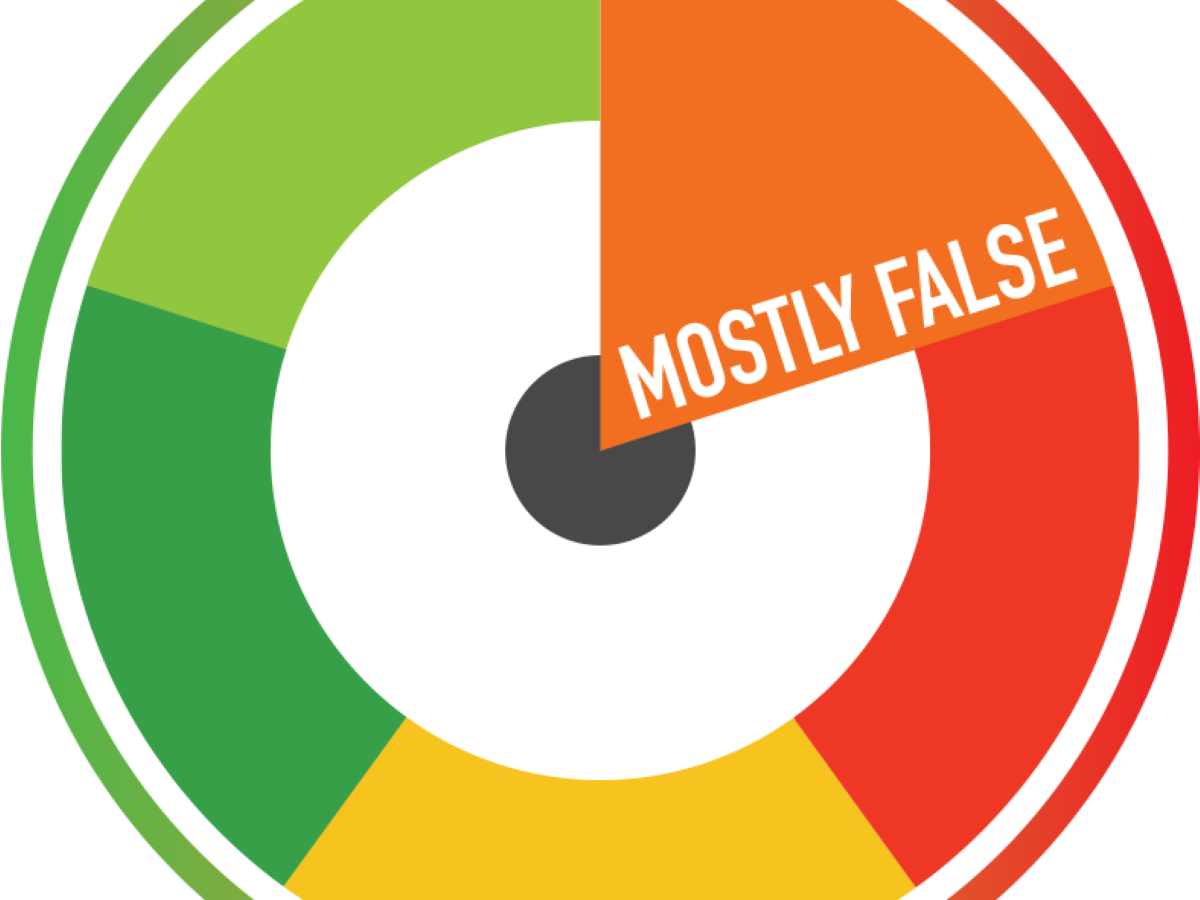
Fidias’ claim that Greece’s new labour law allows employers to force workers into 13-hour workdays is misleading. While the law does make it possible for employees to work up to 13 hours in a single day, this is only permitted under strict conditions. In addition, working time arrangements must be agreed upon through written agreements and employers aren’t able to force employees to clock 13-hour days. Therefore, we mark this claim as mostly false.