
In recent years, mental health challenges are rising concerning numbers across Europe. In countries such as Belgium, France, and Germany, roughly 1 in 6 people lives with a mental health condition, with many going untreated, and suicide remains a leading cause of death, according to the World Health Organization (WHO). These figures point to more than clinical issues; they reveal a deeper disconnection from community, purpose, and the natural world. In recent years, Indigenous knowledge systems have started to enter European conversations as holistic approaches to health.
The World Health Organization highlights that traditional and Indigenous knowledge provides valuable pathways to wellbeing, and global initiatives are exploring ways to integrate these practices alongside conventional healthcare systems. Indigenous traditions emphasize relationships with nature, ancestors, and unseen energies, rather than simply treating isolated symptoms.
For Myrah Sanne, a Belgian-born facilitator and practitioner of Indigenous plant-based healing practices, this perspective is grounded in personal experience. Her journey, from academic institutions to the jungle, has shown her that healing is about learning to truly listen and connect with nature. In a world increasingly shaped by disconnection, her experiences highlight what Indigenous wisdom can teach Western societies about true wellbeing.
“Personally, I think that all the things you learned, you have to unlearn in order to learn more”
Myrah says. For her, unlearning has meant questioning not only education systems and career paths, but also deeply ingrained ideas about safety, success, and legitimacy.
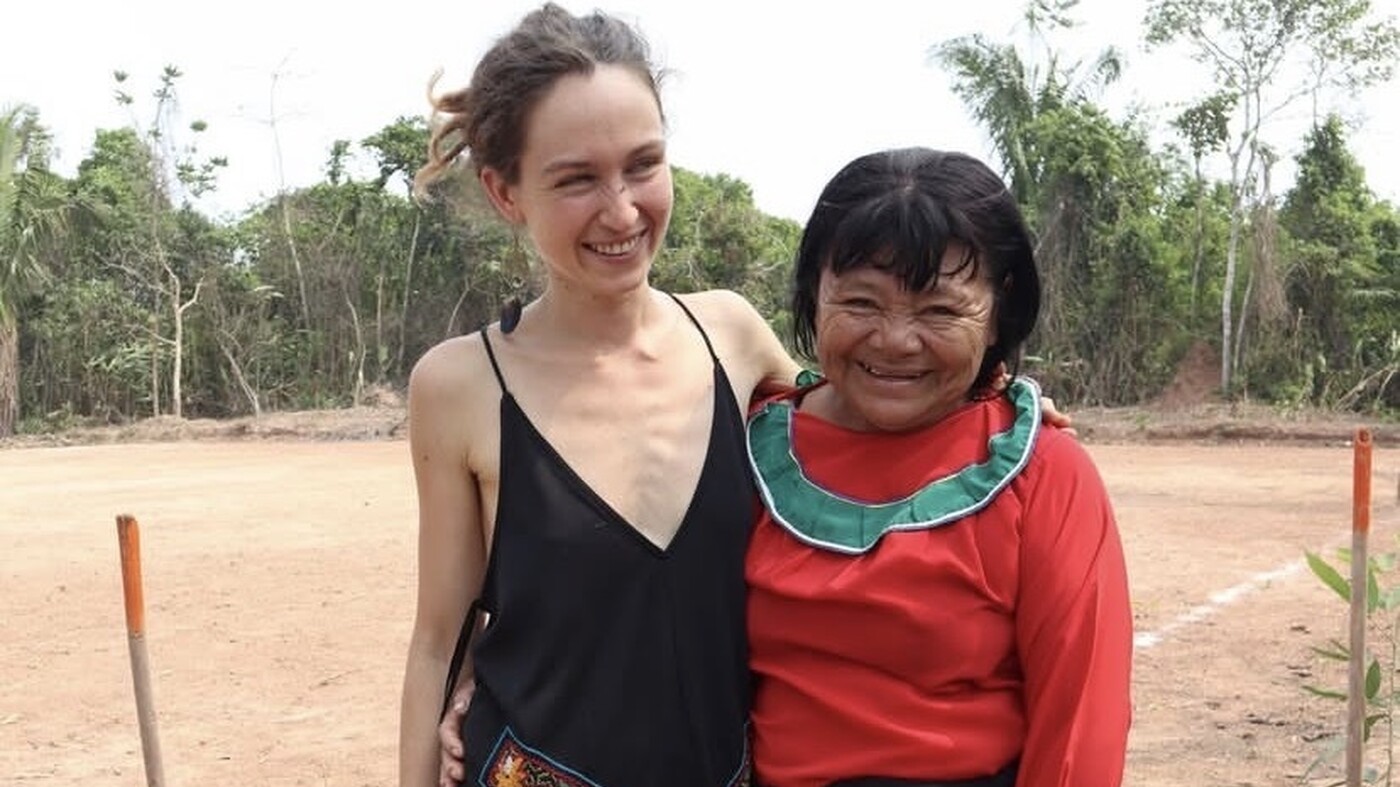
A dedicated student from an early age, she nevertheless felt something missing in the “normal system.” After attending art school at 17, she followed a strong inner call to South America, first through an exchange in Bolivia. Back in Belgium, she pursued African Languages and Cultures, later completing a master’s degree in Conflict and Development. Yet even while studying, her connection to Indigenous cultures continued to pull her southward. Her master’s thesis focused on Indigenous communities in Peru, bringing her into direct contact with the Asháninka and Asheninka peoples of the Amazon.
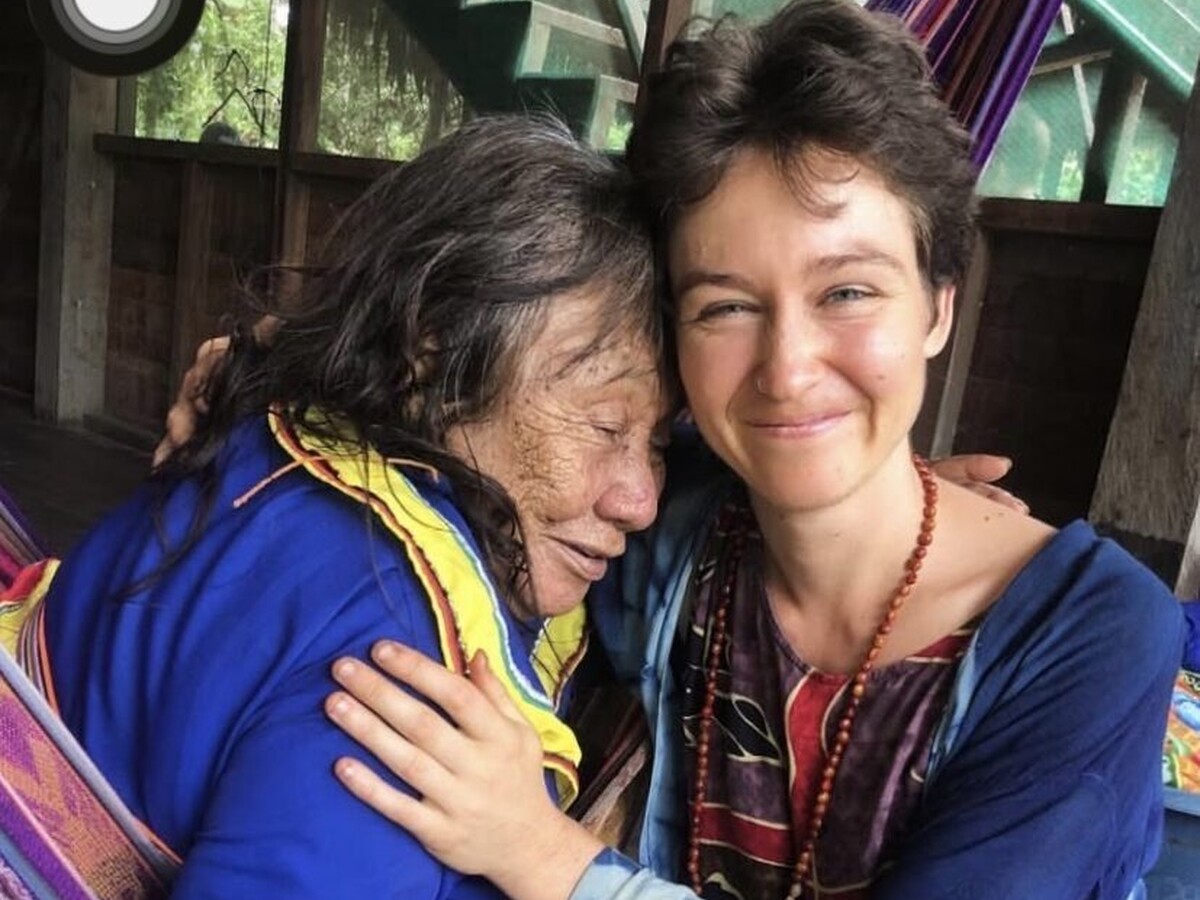
Myrah’s path was also shaped by personal loss. After her mother died when she was eight, she carried a sense of loneliness and a longing for warmth. Somehow, she felt that South America held answers she could not yet articulate. “I felt like I was going to find this warmth there,” she explains. Her relationship with Mother Earth “Pachamama” became central, guiding her toward Peru and Bolivia and toward learning directly from Indigenous families and elders.
¨I felt like Pachamama spoke to me and told me you have to go to Peru or Bolivia, and be with and learn from Latin families.¨
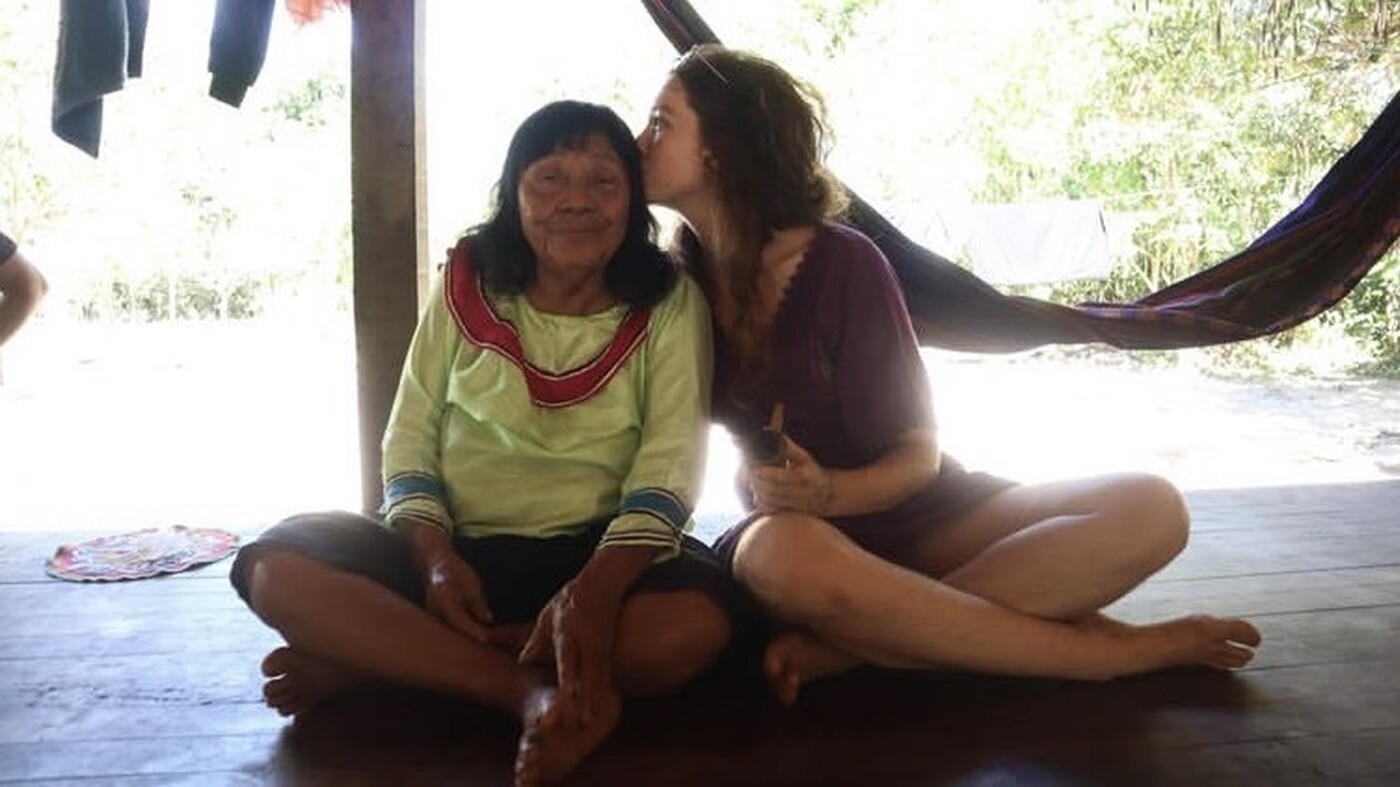
Over time, Myrah lived and worked alongside Maasai communities in Tanzania, Quechua communities in the Andes, and Shipibo and Q’ero peoples in Peru. Today, she serves as a Chakaruna, a bridge between cultures, organizing spiritual journeys in Peru for people from Belgium and other European countries. These journeys involve visiting sacred sites in the mountains and the jungle, learning from Indigenous elders, and working with ancestral “teacher plants” through rituals of purification and connection.
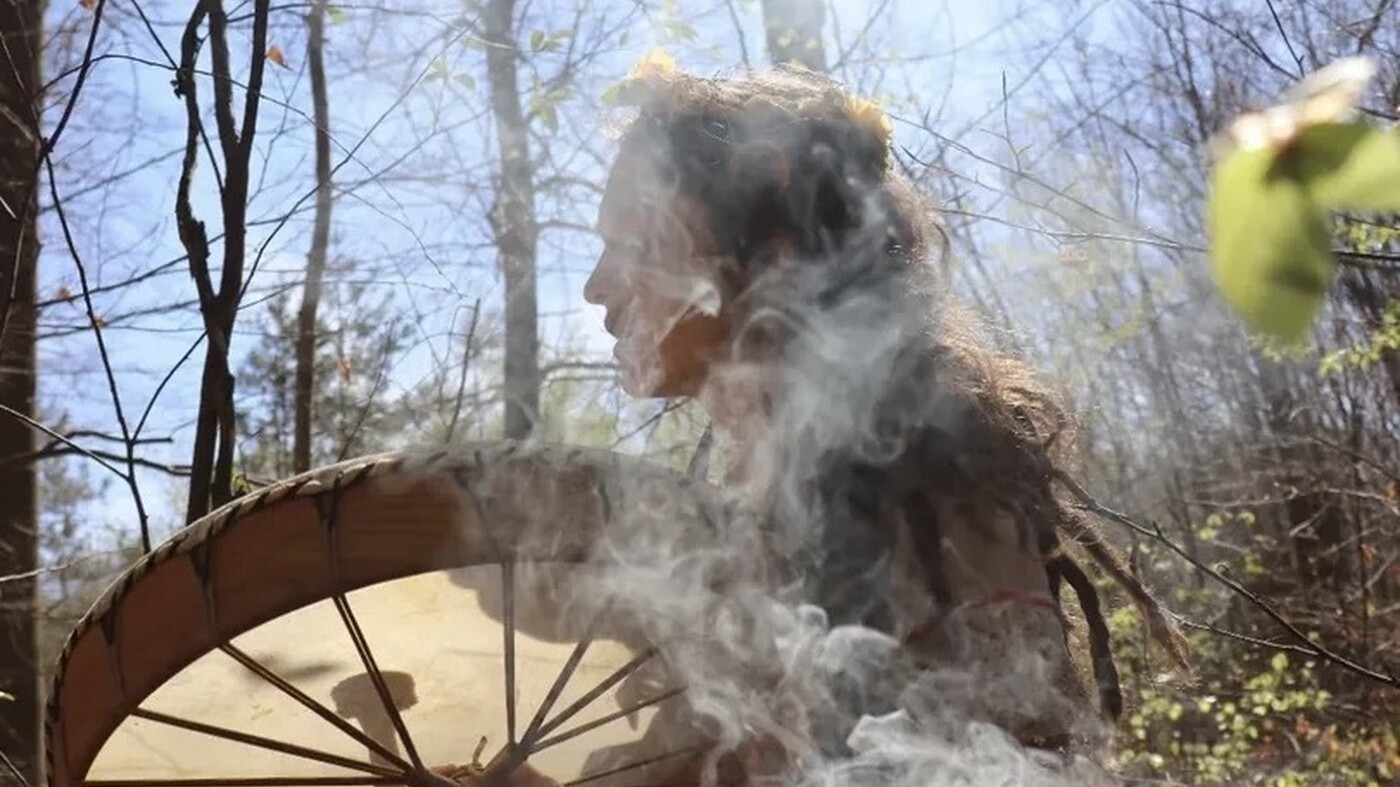
Back in Belgium, Myrah continues this work through cacao ceremonies, retreats, and individual guidance under the name Aruna Healing Art. Central to her practice is curanderismo, a plant-based healing tradition that works with natural elements such as fire, water, and earth, as well as prayer and intention. For Myrah, a curandera does not need formal medical certification; her role is to help people heal by reconnecting them to themselves, to nature, and prayers.
Dieta or Sama indigenous practice:
One of the most important Indigenous practices she has integrated into her life is the dieta (or sama), a disciplined period of working closely with a specific plant while abstaining from certain foods, technologies, sex, or social contact. Through a dieta with the plant bobinsana, known for teaching compassion and healing trauma, Myrah was able to process grief related to her mother’s death. She now adapts these practices responsibly in Europe, offering guidance while emphasizing respect, permission, and acknowledgment of her teachers and the traditions’ origins.
Myrah believes that nature speaks everywhere not only in the Amazon, but also in Europe:
“In Europe speak the same as the nature in other parts.. It is just like less people in Europe know how to listen and traditions such as myths and stories have become lost. ”
In her view, Western societies have lost myths, stories, and rituals that once helped people feel part of a larger whole. This loss, she suggests, contributes to the sense of separation at the root of many mental health struggles.
Despite ongoing doubts about money, career stability, and social judgment, Myrah continues choosing a path that feels aligned. “I’m trying to be more free and less hiding,” she says. Her mission is simple but profound: help people to love the Earth, to remember their connection with nature, and to themselves. She believes that this may be one of the most powerful forms of healing available today.