
I grew up in communist Bulgaria, where I did not know a single working artist, and certainly no female artists. From kindergarten on, the regime told us the group is more important than the individual, so the idea that you could make a living as an artist didn't exist. My two brothers could draw and paint; the second was the most talented, but he died when he was only eleven years old. After that, my oldest brother stopped painting. In the end, I was the only one who continued, without even thinking this could be a career.
In the academy in Sofia, I finished as a ceramist because I had already attended a secondary school specializing in ceramics. I always loved painting, but my painting teacher did not like my work at all; he was more about modern, abstract things, and he wanted us to paint like him. I painted more realistically, and he did not appreciate that; sometimes when he was furious he would throw student works in the bin. It was a blow to my self-esteem. For a long time, I didn't dare to think about an art career.
Coming to Saint Lucas in Ghent was a culture shock. In my third year of ceramics, I saw seniors who could not work well with their hands yet, but they could talk for hours about their concepts. I came there with strong technical skills but almost no voice. In Sofia, it was difficult to enter the academy: you prepare for years, the places are limited, and the technical level is high, but nobody teaches you how to talk about your work. Later, I realized I needed both—Bulgarian discipline and Belgian mindset.
I had already lived in Belgium for twenty years, but most of that time I was not working as an artist. As a foreigner, that wasn’t able to fluently speak Dutch and didn’t have the right contacts, it wasn't easy in the beginning. I've been a store manager and working on social projects for more than nine years, and although I'm not made for commercial functions, I had to pay my mortgage somehow. At around 37, I had a very early midlife crisis. I decided to take the risk. It's better to have failed as an artist than to have stayed in these jobs.
After that, things went fast. My work was shown in Barcelona and the United States. Everything I dreamt of, I achieved in those first years. Then came Samuel Peralta's Lunar Codex. Now six of my pieces can be found on the Moon—still a surreal thought for somebody from communist Bulgaria.
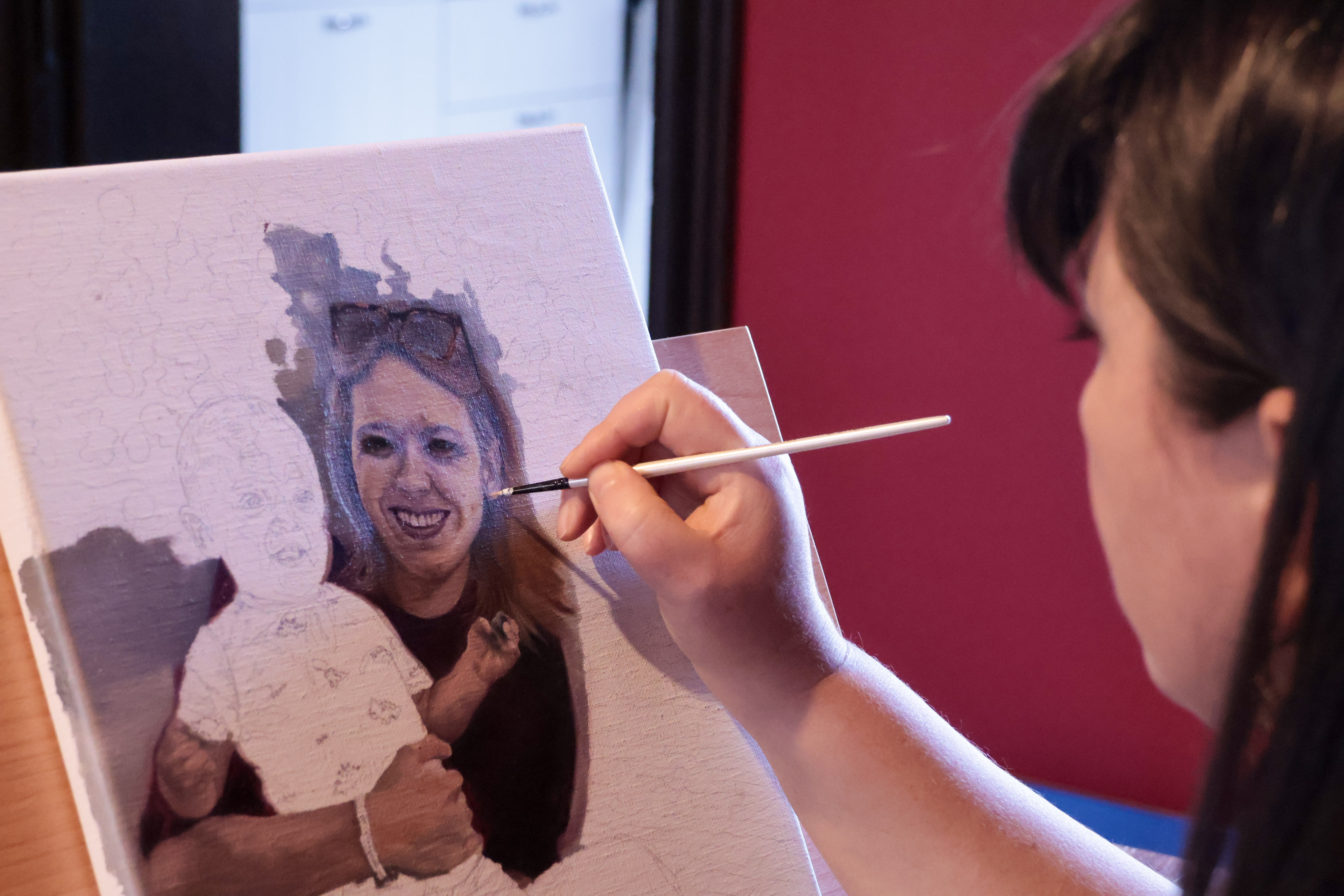
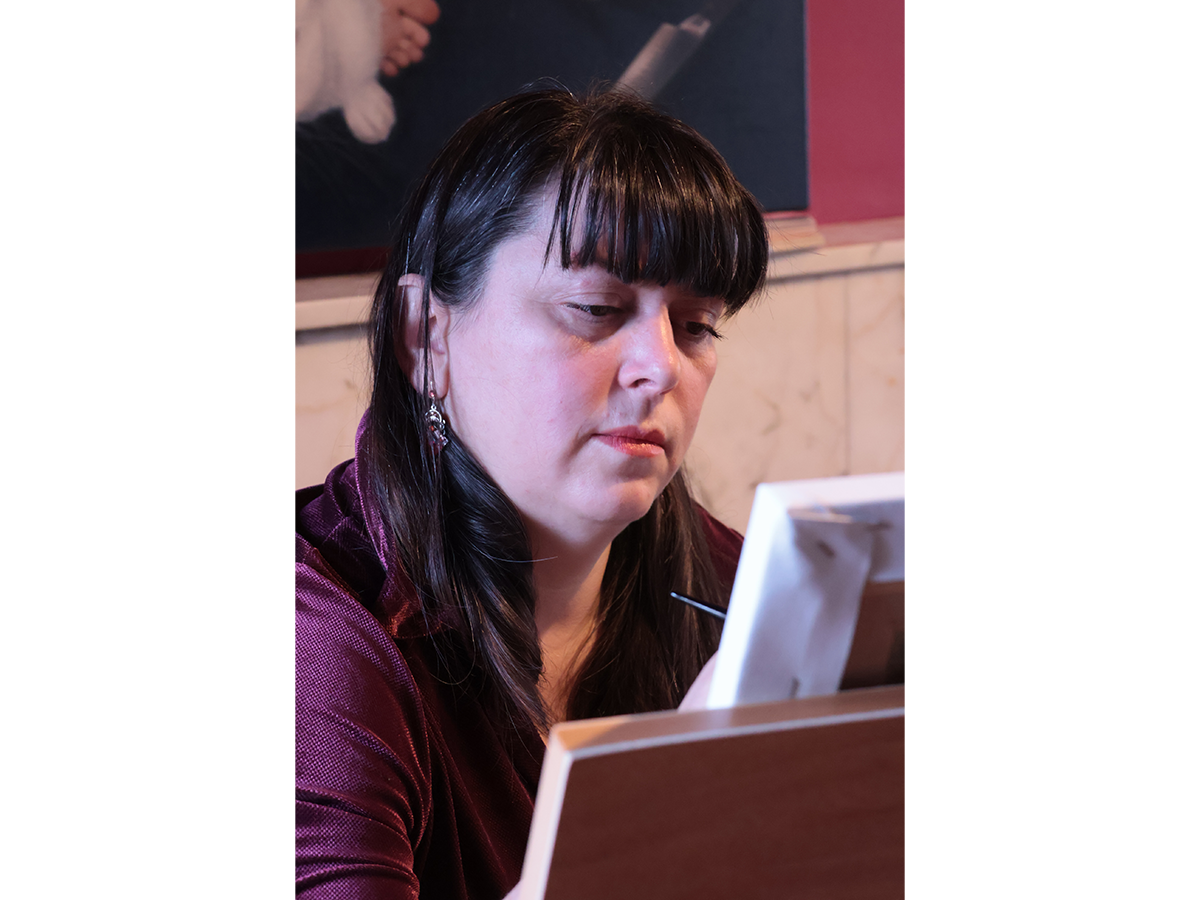
Currently, my paintings themselves are slow in a world that is going faster. I work three, four, or sometimes five months on one portrait, and I study every millimeter of the face, building up layers until the person appears on the canvas. From far away, people sometimes don't know whether it is a photo or a painting, but when they come closer, they see the brushstrokes and small imperfections that build the character. When you paint somebody like this, you spend months with this person, and all this time and energy is somehow inside the painting; an image generated in one second by a computer cannot reproduce that. With AI generators becoming more sophisticated, people sometimes ask me if I’m worried about my future. I believe that handmade things will stay and maybe become more valuable, especially with the rise of AI.
Now a lot of my time goes to the FiKVA Foundation, which I started to help other realist artists with their careers. In Europe, there are only two venues for contemporary realism, one in London and one in Barcelona. I think Antwerp would be a perfect place for another one. My dream is to find a suitable venue here and to invite some of the top names in realism—many of them already my friends—to show their work. I would be delighted if I could see this museum come to life before I die.