
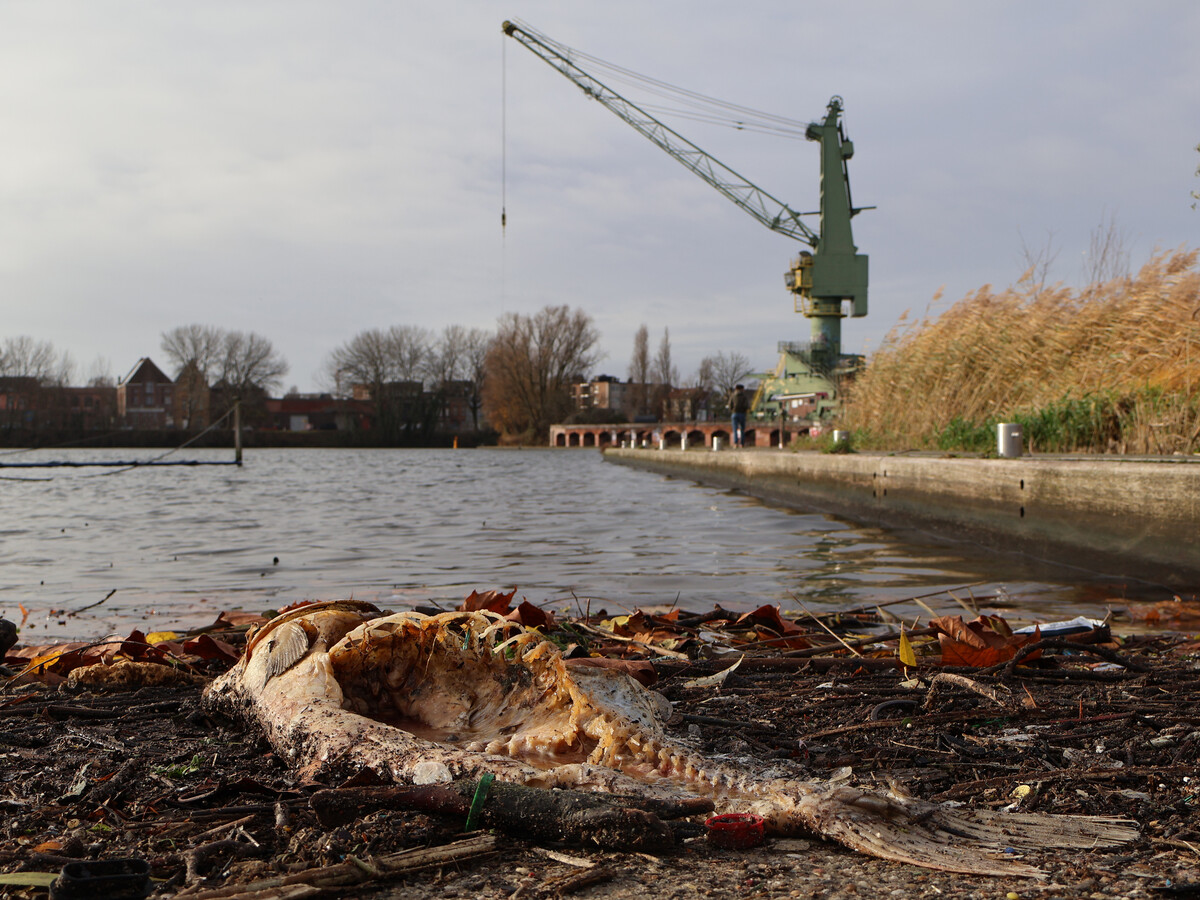
Plastic has taken over planet Earth. Although it’s no revelation that it in fact is everywhere - from the air we breathe, food we eat, to common use products such as baby wipes or toothpaste - new evidence shows how micro and nano plastics (MNPs) build up in human organs.
Matthew Campen, a scientist from the University of New Mexico, along with others, investigates how MNPs affect human health. Researchers analised the buildup of inhaled microplastics from autopsies conducted in 2016 and 2024.
Their findings revealed that the deceased individuals had the highest levels of microplastics in the brain tissue, with the kidney and liver following closely after, having comparable microplastic concentrations.
Multiple factors, including age, sex, race/ethnicity, or cause of death did not influence these plastic concentrations. However, the year of death was a significant factor.
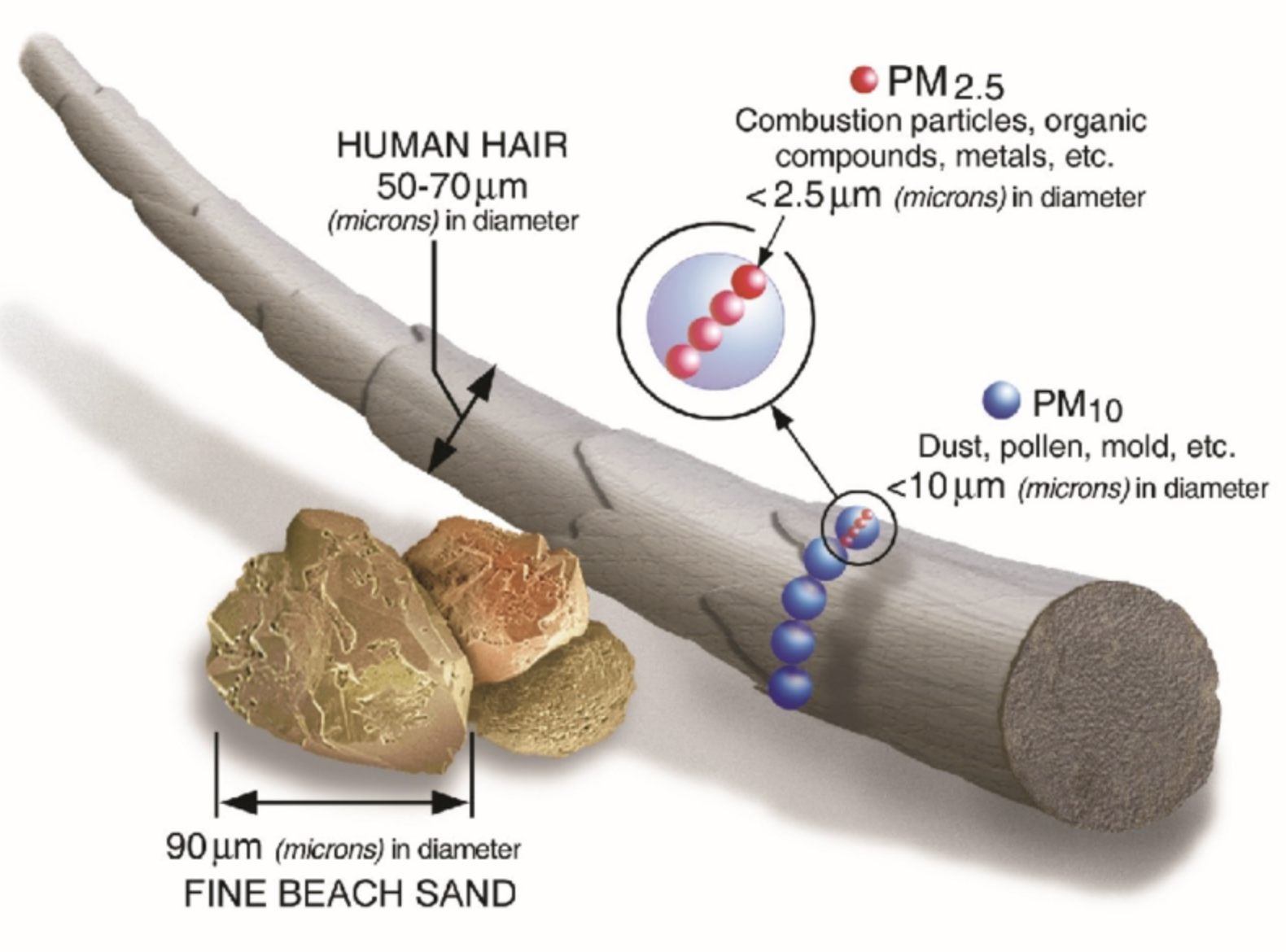
The particles found in the organs has been investigated - the scientists used various microscopic techniques and found aged, shard-like plastic fragments embedded in tissues, ranging from 1 to 5 micrometers in size. In the brain these particles were even tinier, and in dementia cases the plastic was found inside of inflammatory cells and along blood vessel walls, says The Scientist in the explanatory article on microplastics' impact.
What this means to humans is now unclear - we need further research to assess what impact this truly has on the whole population.
We do however know what has to be done to put an end to this massacre.
While the production of, what seems like a never ending river of plastic, must slow, everyday heroes take matters into their own hands, literally.
Dokano is a non -profit organisation that promotes envrionmental and climate awareness through education and recreation.
“It started with five friends, we each bought a canoe.” said Hans.
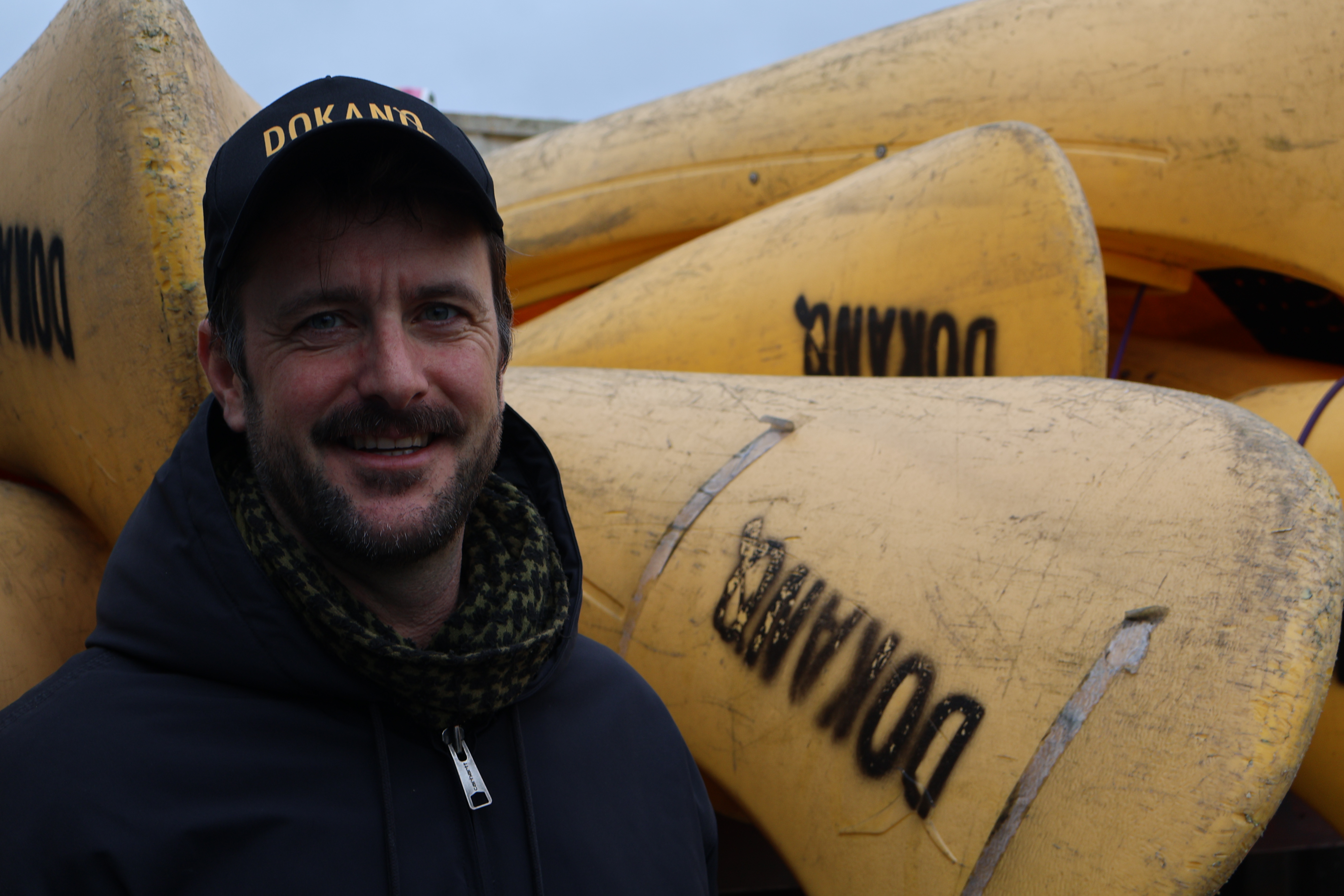
Hans Marly is one of the founders of Dokano, he speaks on his river clean-up organisation, based in the beautiful area of Dok Noord in Gent.
Dokano rents canoes to anyone who wants to spend their day swimming around the city. It started as a free mission and was only supposed to last a couple of weekends, that grew to become a rather large trash-cleanup and recycling organisation.
You can find basically anything around Dokano’s office - from bicycle wheels, to used lighters, cricket balls and even plastic water guns - all forgotten and washed up on the beach next to where their office is located.
As we all know, one man’s trash is another’s treasure. That’s why the trashy treasures are kept - they’re being repurposed. Anyone is always welcome to come and snoop through Dokano’s drawers, where you’ll find anything you can think of and more, to keep you entertained and eco-conscious. It’s part of a “Recycled Sports” project, which brings forgotten sports equipment back to life, and encourages people to be active and spend time outside.
There’s way more to it though. Right next to Dokano’s doorstep, there’s a proudly displayed, man-height fish art installation, made almost entirely out of plastic bottles.
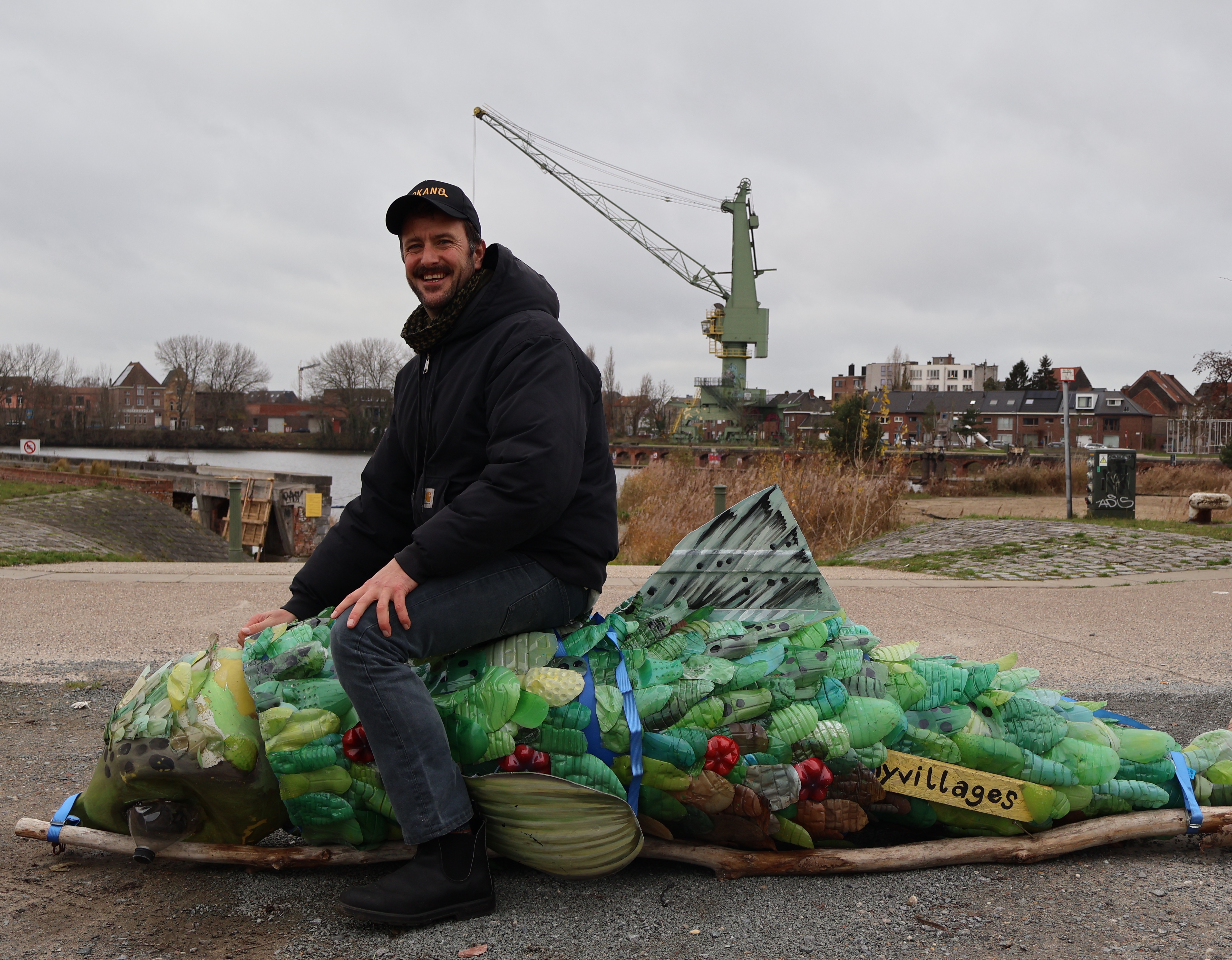
When asked about it, Hans said: “ It’s Artivism - showing you can make art with garbage, it has real impact. People pass by and admire it, but it also makes them think about the environment, about what they’re doing.”
The mission is education and environmental activism. Thankfully, those values are growing to be more and more common. Dokano has grown its popularity by simply being Dokano, people quickly grew to be fond of it and shared the news of such an organisation being in Gent. It’s popular with practically any age group - even children and their teachers, who have real-life lessons on plastic waste and the environment, while peacefully drifting along in a canoe, followed by creative recycling workshops afterwards.
The main idea is to have fun. While there is an emphasis on eco-friendliness, collecting trash isn’t one of the conditions of renting a canoe. You can rent one for as little as fifteen euro, and spend your weekend admiring Ghent from river-perspective.
We are a collective whole with the envrionment, but we don’t think like that.
The Quintuple Helix explains how positive change happens when five parts of society work together: education, businesses, government, citizens, and nature. When these groups share knowledge and cooperate, they can create solutions that are not only innovative, but also fair, useful, and good for the environment.
"We need the environment to be the collective priority, as nature is all around, and we are only a small fragment of it” said Hans referring to the quintuple helix. He finds it to be the backbone of the efforts society has to put in to end the generation of plastic.
Plastic is one thing, it’s not only about it, there’s so much waste we shouldn’t only blame one specific material. But for us, as an organisation, it’s about getting to a sustainable city, where people live as part of nature and learn to appreciate it.