

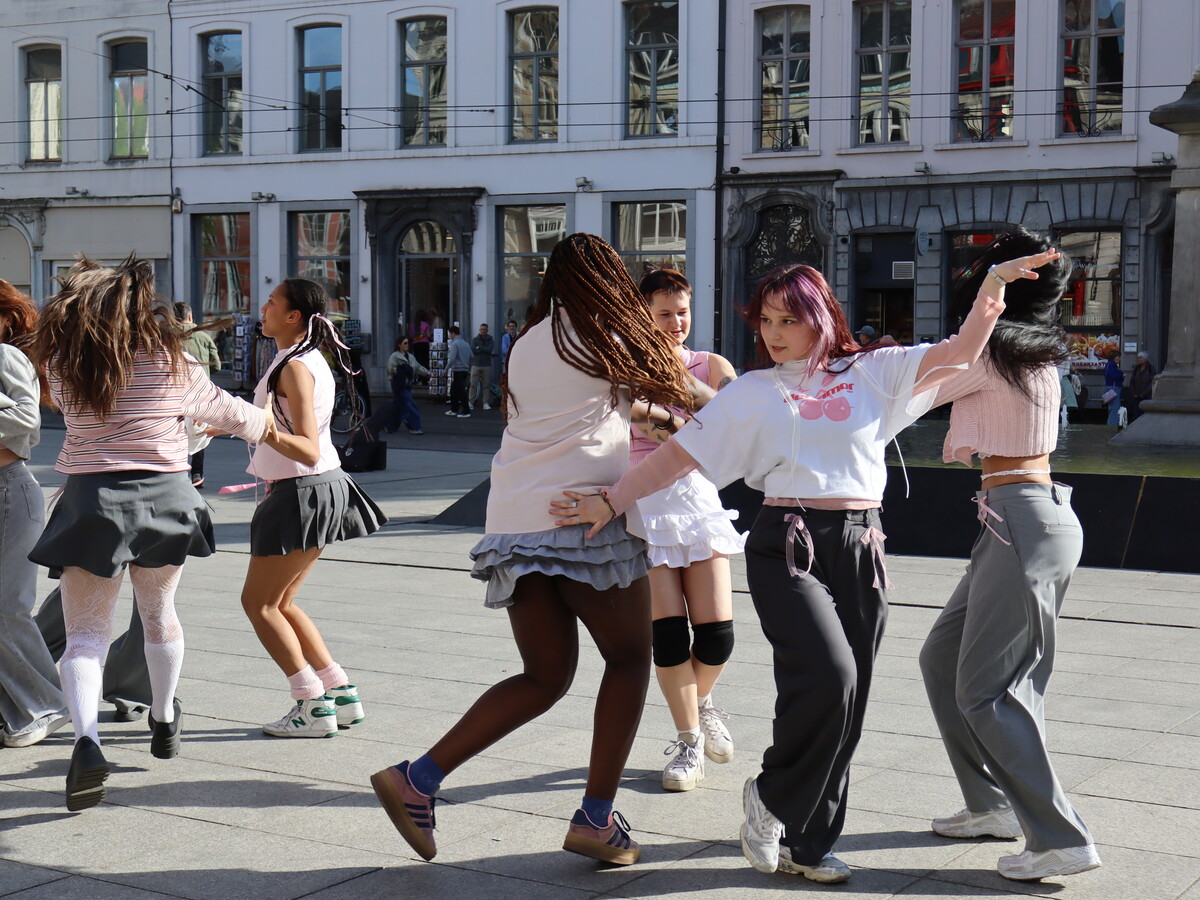
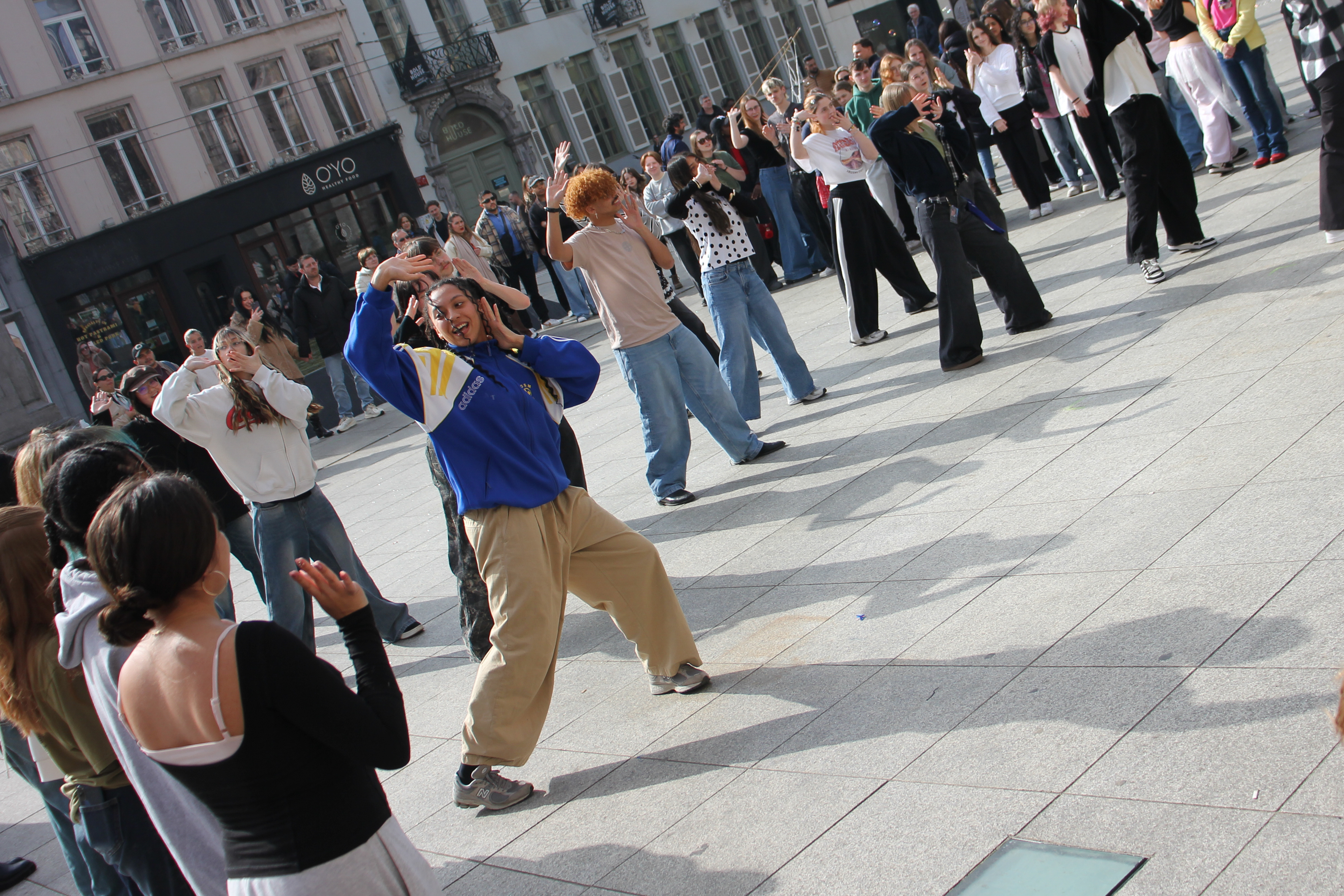
Dozens of people – many of them strangers to each other – rush to the center of the crowd to energetically carry out the choreography. Curious onlookers have now gathered to become the audience of K-Pop Random Play Dance (RPD).
K-Pop is simply Korean music. It’s spread globally, with billions of streams worldwide. K-Pop artists put emphasis on all aspects of each song, including engaging choreography and unique costumes.
With its rise, it gained a huge fan base that grew into its own community. One of the activities that fans across the world often engage in is K-pop cover dancing. It is an act of learning with precise attention and eventually performing choreography of K-pop songs by individuals or groups.
The dances are often recorded and shared on social media for other fans to see. Cover dance can be performed at local events, such as competitions, or outside in public spaces, uniting different fans in real life. However, sometimes it can be challenging to perform in open spaces.
“It was still weird for me, being like ‘Oh, maybe I'm interrupting something, or maybe I'm too loud, or we are taking too much space’,” explains Dasha Ponomarenko, who is a member of the Masquerade crew. She has been practicing K-pop cover dance for more than 5 years but still finds dancing in public difficult.
“I’ve been performing my whole life, but it’s always on stage. So, you know the people are watching you, but because they came to watch your show. In cover dance, you're coming to a public space, and you're like, ‘Okay, I'm doing this now.’” She adds that sometimes there are unpleasant interactions with people, like harassment or laughter aimed at them. Nevertheless, she says that people are usually happy to see cover dancers perform.
“Something is cringe only when you decide that it's cringe.” - Dasha Ponomarenko
People of different ages are gathering at St. Baafsplein, forming a circle around the dancers. From a little girl in a bright scarlet coat, sitting on the shoulders of her father, to an elderly couple, who are simply passing by, everyone keeps a close eye on the synced movements. One of the older spectators admits she knows nothing about K-Pop but is glad to see the youth connecting.
“I used to find it cringe, but you learn how to overcome those fears of being perceived as weird. You will always get that kind of attention on your side. I think you let it go by focusing on what you're actually doing. So, if you enjoy it, then enjoy it. Something is cringe only when you decide that it's cringe,” shares Dasha.
We make it right
While the music and choreography are originally from Korea, each community — including Belgium — still finds their own approach. When comparing Belgium to her home country of Latvia, Dasha finds Masquerade noticeably more professional.
“When you [look at] Latvian groups, it’s very DIY ... so, you do everything yourself. You book your classes yourself. You do your performances yourself, your costumes, everything.” In Belgium, it turns out to be more thorough: “When I auditioned, I had two types of auditions.” The added rules and formality do serve their purpose in her opinion, though. “I understood that people who are doing this, they're spending their time for a better result.”
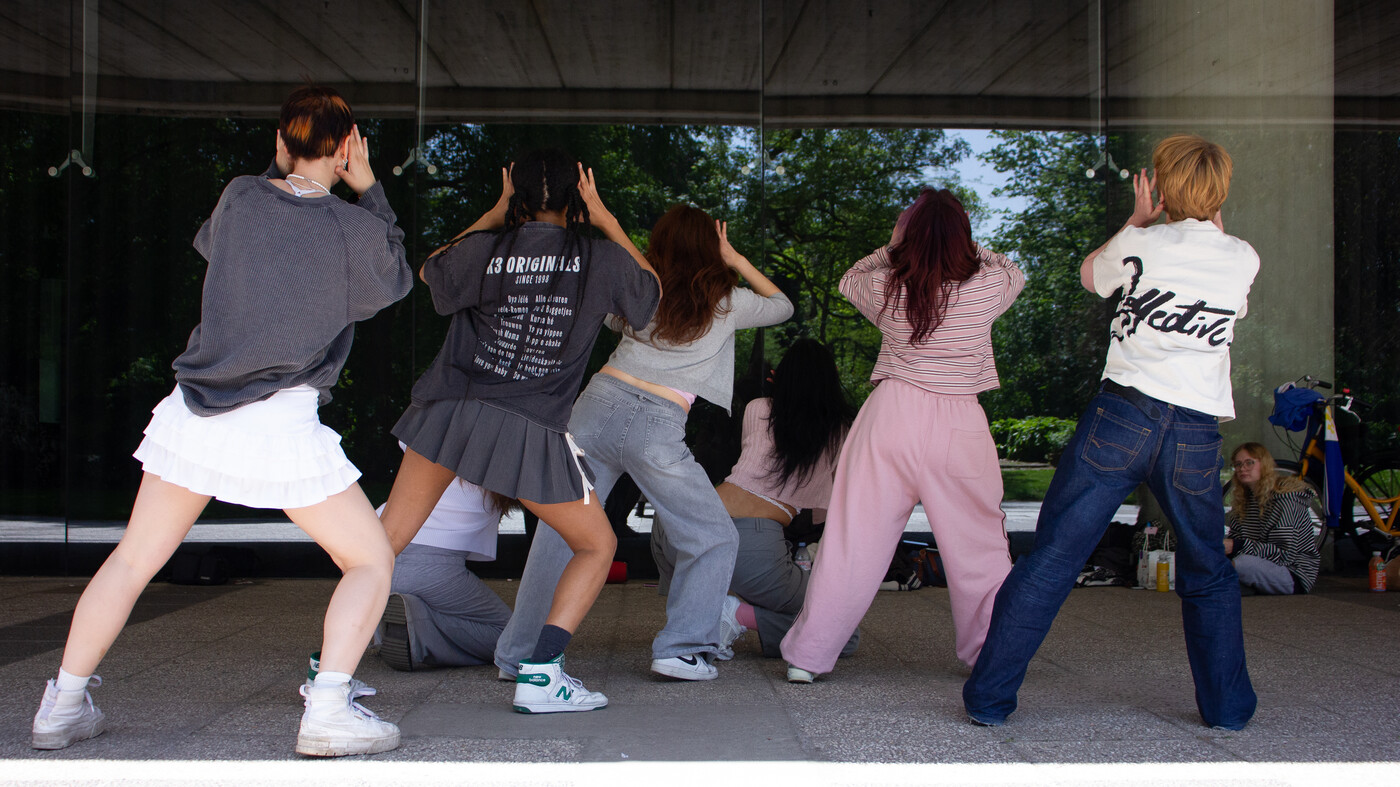
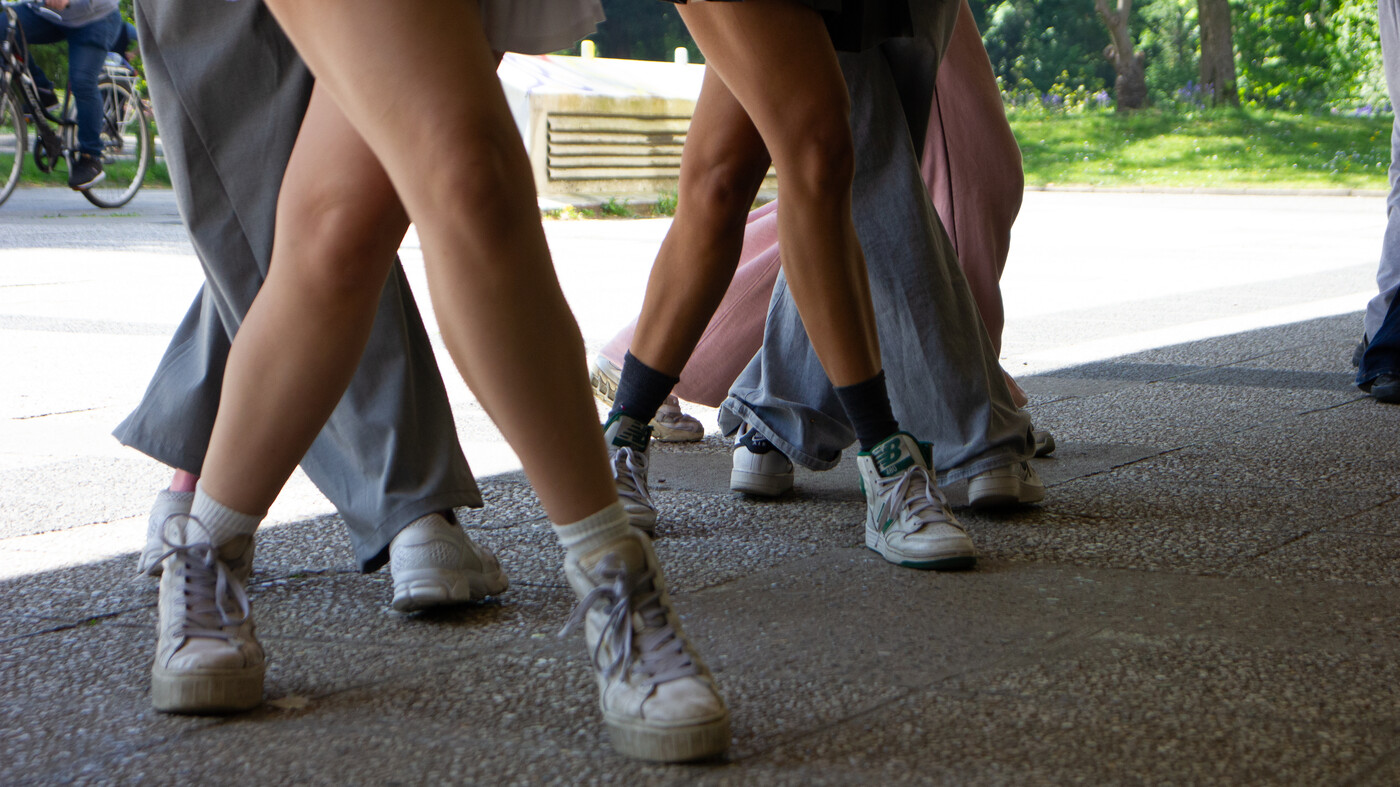
Bringing cover dance culture to Ghent is also a win for Pauline Vancoppernolle, a dancer at Masquerade for the past two and a half years. Having spent part of her studies in Korea, she feels that the culture there is more used to public dance events than in Europe. Over the years, though, she says that “more people have heard of it” in Europe, and with that much of the “shame” has disappeared.
To popularize cover dance in Belgium more, Masquerade Crew brings professionalism and commitment while still having fun.
“What about the timing of ‘Ha-ha-ha'?” asks Faith, one of the dancers, about the movement pacing for the line in “RUDE!” by Hearts2Hearts. Masquerade members make sure the atmosphere at rehearsals stays light-hearted, even though they dance under strict deadlines. The music for the cover is chosen by a poll months before filming; after that, long rehearsals begin.
“I understood that people who are doing this, they're spending their time for a better result.” - Dasha Ponomarenko
Each attempt is filmed, and dancers run to watch the take, pointing at the screen, sometimes smiling. They check not only their own moves but also others’, guiding and helping when needed. “Everybody knows what they have to do. And if somebody says, “Okay, let's go from the start”, it doesn't matter who says it; you just do it,” explains Dasha.
A tight-knit community
Despite the stress, everyone seems to make time for each other as they film the final version. One member who’s not filming dashes to the store to make sure everyone stays fed, while others joke about their earlier mistakes. Even through the stress of trying to stay on schedule, the deep level of support shows. As a group of women decide to photobomb the first take, Dasha steps aside while their camera person calls the tourists out.
This acceptance and support are crucial parts of the community for Dasha as an out lesbian.
“It was also very important to me to be seen and accepted. And K-Pop cover dance actually gave me that. Because yeah, I don't know if it's a coincidence but a lot of people are queer as well.” The all-around acceptance creates a uniquely diverse atmosphere, bringing together different ages and identities.
In terms of age, the average K-Pop fan was born in 2000, according to the 2023 research of the K-Pop fanbase demographics. It also shows a women majority in the fanbase, but there is a significant male presence as well. Some of the dancers are men, not shying away from embracing their femininity for the smooth, choreographed movements, and genuinely smiling.
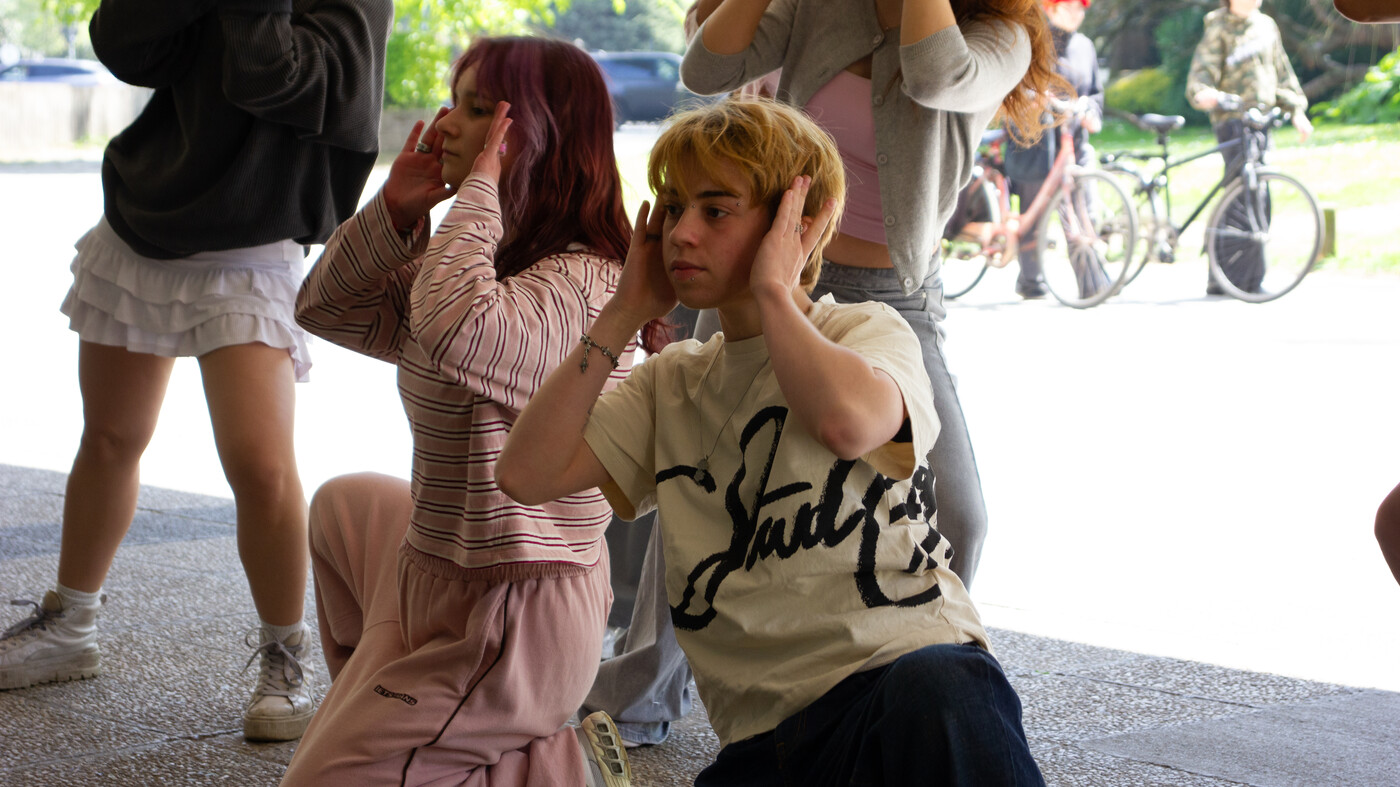
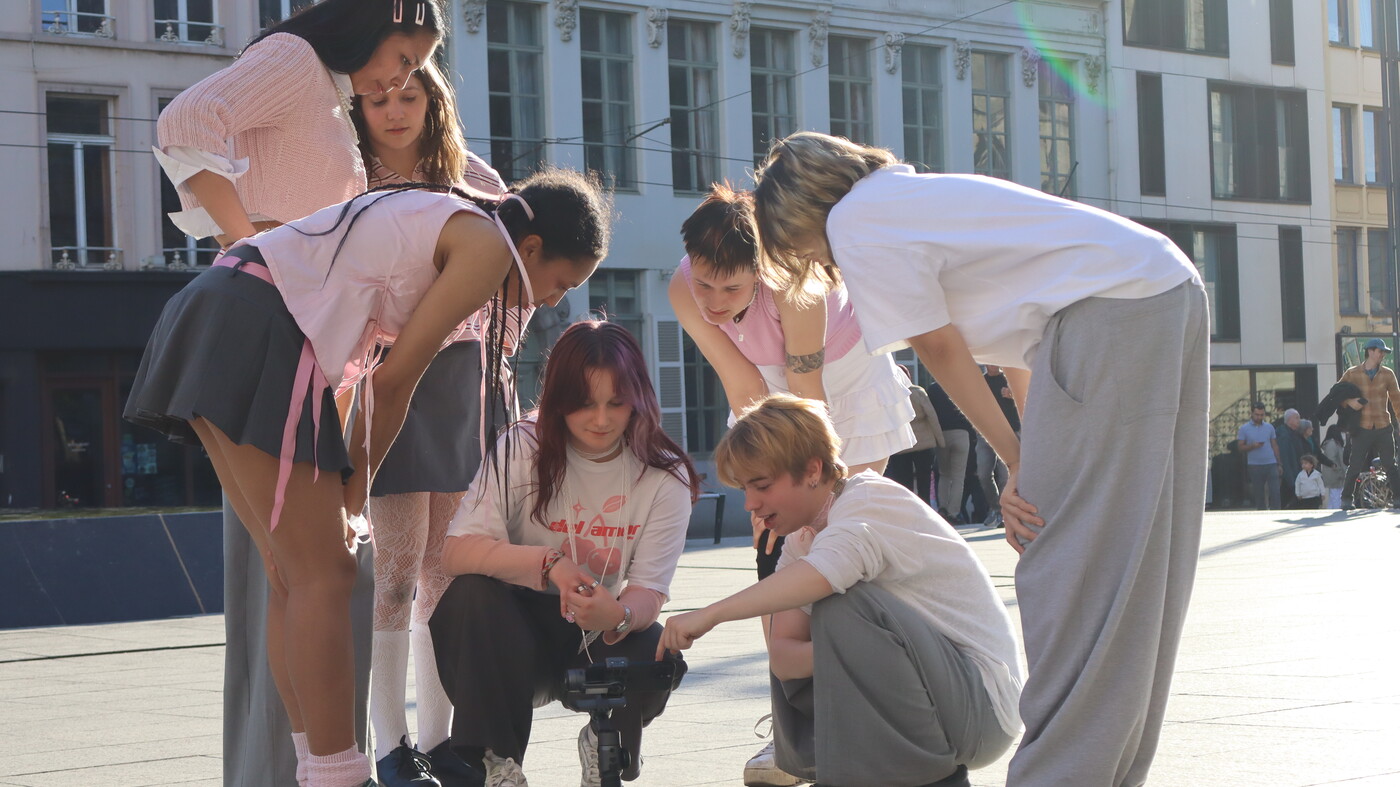
After a long day of rehearsing and filming, the members shoot the last take. The sun is hiding behind Sint-Niklaaskerk, and it’s getting cold. The smiles spread across the dancers’ faces as they watch the video back and cheer – all in a day’s work.