
A Government Under Fire
Slovakia’s governing coalition, led by a populist leadership widely viewed as sympathetic to Moscow, has repeatedly questioned sanctions on Russia, criticized Western military support for Ukraine, and cast doubt on the reliability of traditional allies in the European Union.
Opposition parties and civil society organizations warn that these positions not only isolate Slovakia diplomatically but also embolden disinformation networks within the country.
“Slovakia used to be a strong supporter of Ukraine,” said Martin Kováč, a foreign policy analyst. “Now our government sends mixed signals that confuse our allies and weaken trust at home.”
Youth Torn Between Home and Departure
Among younger Slovaks, the political turbulence has triggered an increasingly familiar debate: stay or go?
“It feels like we’re moving backward,” said Lenka Vargová, a university student in Bratislava. “Instead of building a future rooted in openness and cooperation, the country seems stuck in old fears.”
Job opportunities abroad, combined with frustration over domestic politics, have led to growing conversations about emigration among students and young professionals.
“I’d prefer to build my career here,” said Tomáš Král, an engineering student. “But many of my friends are already looking elsewhere. Politics plays a bigger role in that decision than people admit.”
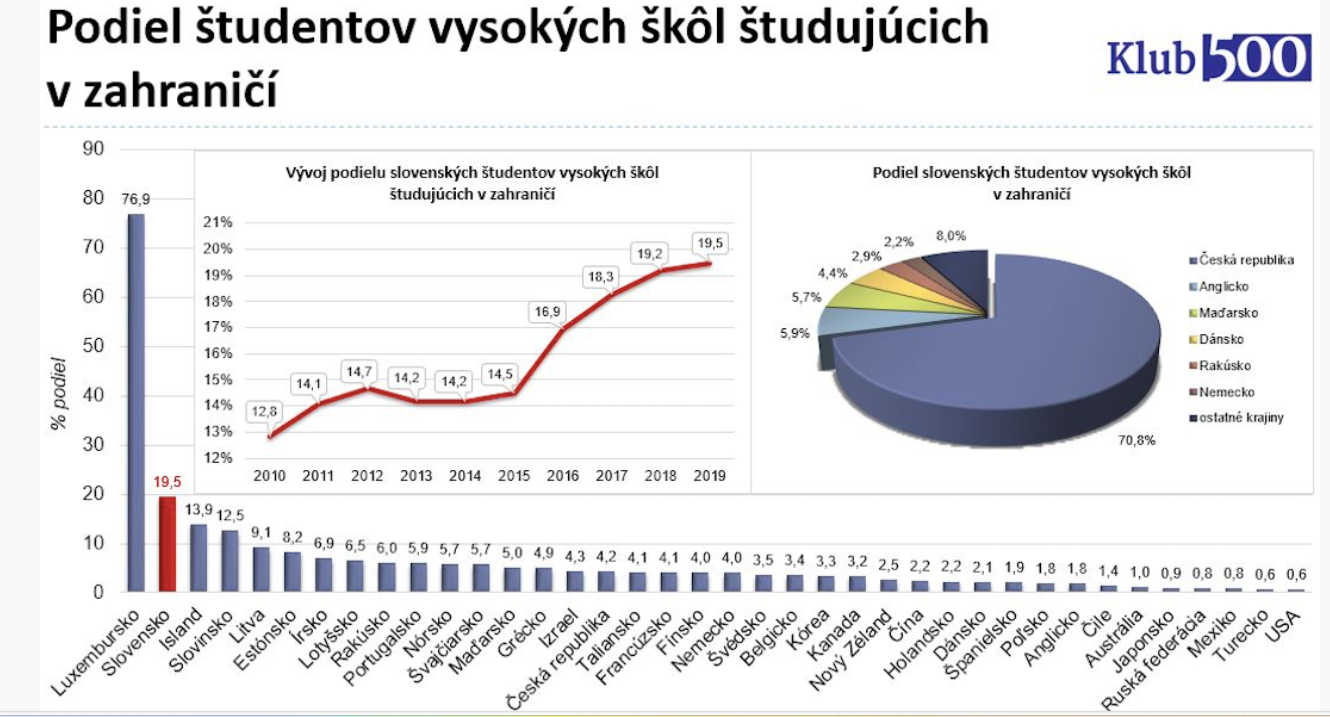
A Graph showing the percentage of Slovakian students leaving the country for studies (mainly due to the political situation)
A Nation Divided
While some Slovaks support calls for neutrality, others view the stance as a retreat from democratic commitments. In rural areas, where economic frustrations run deep, pro-Russian sentiments—often amplified by social media disinformation—have gained traction.
“Life has gotten harder, and people are angry,” said Ján Baláž, a retired factory worker. “When someone online tells them there’s an easy enemy to blame, they listen.”
Ukraine’s War Is Slovakia’s Mirror
For Ukrainian refugees in Slovakia, the political shift is more than an abstract debate; it directly affects their sense of security.
“When the war started, Slovaks welcomed us with open arms,” said Olena Marchenko, a Ukrainian refugee living in Bratislava. “Now the tone from the government has changed, and that uncertainty is frightening.”
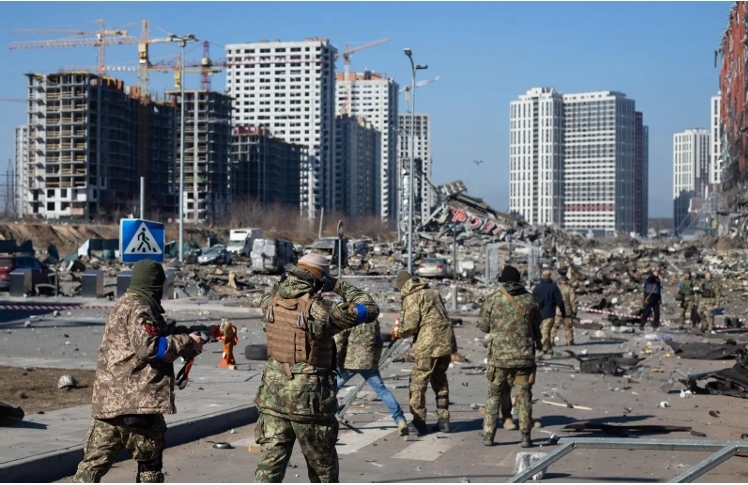
An image showing the state of Ukrainian cities after severe Russian aggression showing what the future could look like for Slovakia
A Strain on Slovakia’s Identity
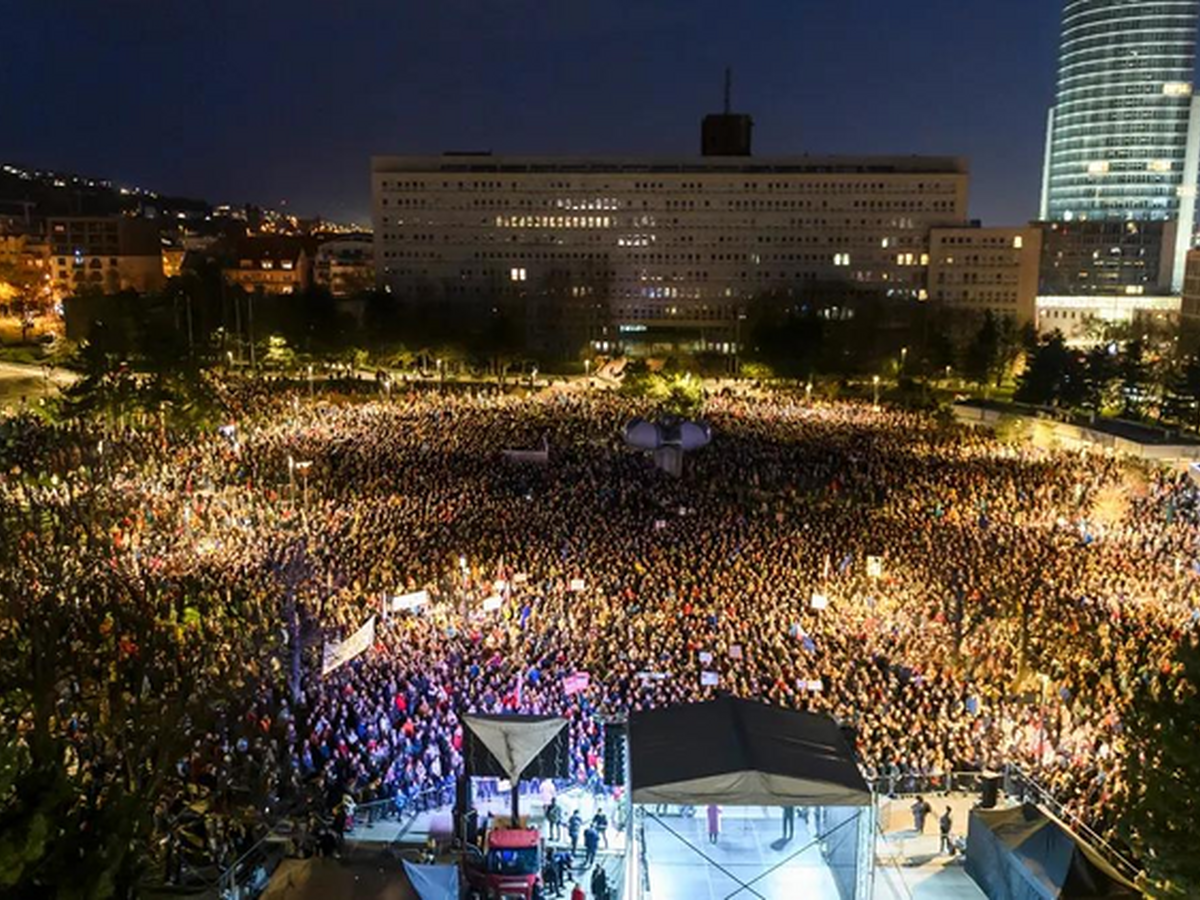
The turbulence has sparked a broader national conversation about Slovakia’s identity and its place in Europe. Political protests have surged in major cities, with demonstrators accusing the government of weakening democratic norms during a time of regional crisis.
“We’re not protesting for Ukraine only,” said Andrej Tóth, attending a demonstration in Bratislava. “We’re protesting for the kind of Slovakia we want to live in.”
An Uncertain Road Ahead
As the war across the border continues, many Slovaks fear the conflict may be reshaping their country just as profoundly as it reshapes Ukraine.
With political tensions rising and no clear end in sight, the most consequential struggle for Slovakia may ultimately be the one unfolding within its own borders.
“Wars don’t only change borders,” said Martin Kováč. “They test institutions, identities, and trust. How Slovakia responds now will shape the country long after the fighting stops.”