

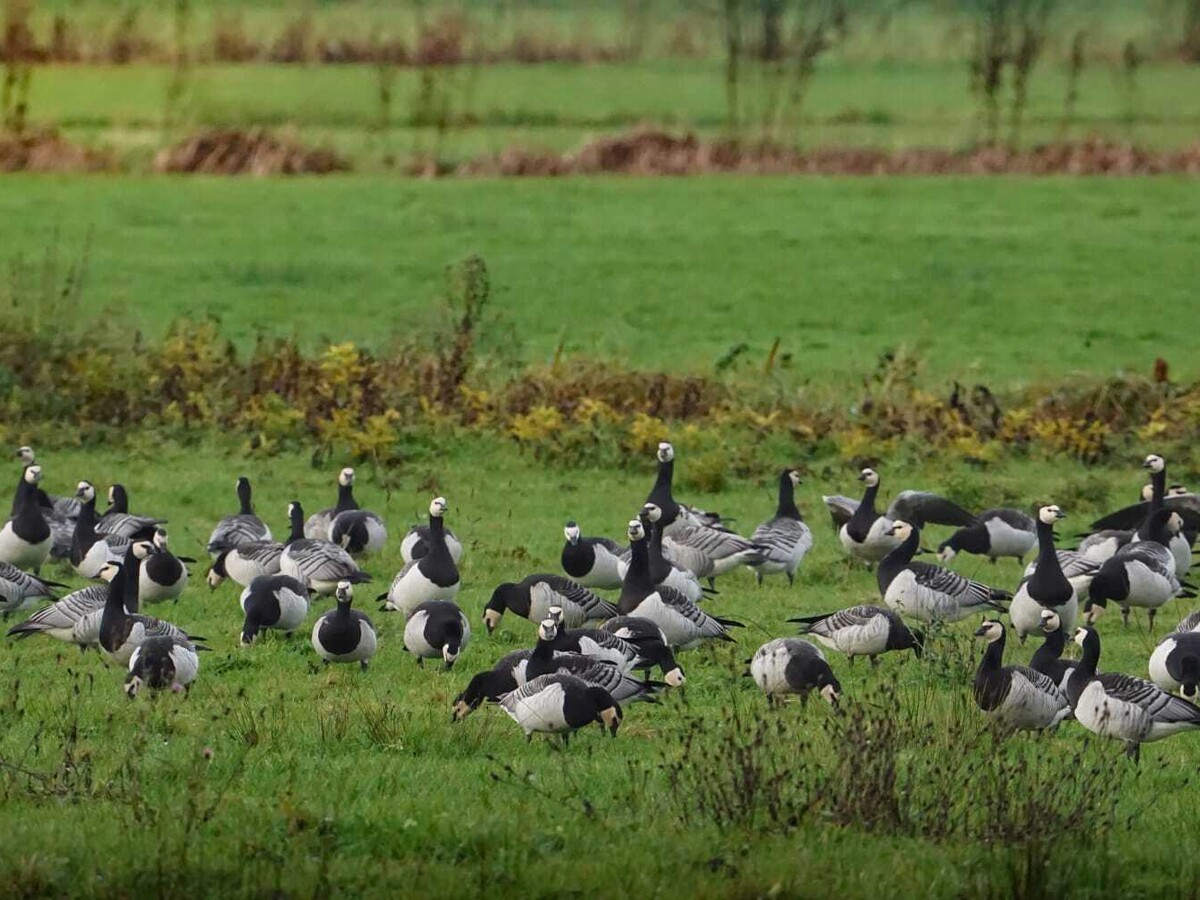
A Washington state resident with underlying health conditions died on November 21 after contracting H5N5 bird flu, according to the Washington State Department of Health. It is the first human bird flu case in the United States in nine months and only the second confirmed death linked to the virus. The Centers for Disease Control and Prevention (CDC) said the risk to the general public remains low.
Most infections are mild and usually occur among people who work closely with animals. Symptoms commonly include fever and red eyes. Bird flu can spread to humans through close contact with infected birds, animals, or contaminated surfaces. The virus can enter through the eyes, nose, mouth, or by inhaling dust from infected animals.
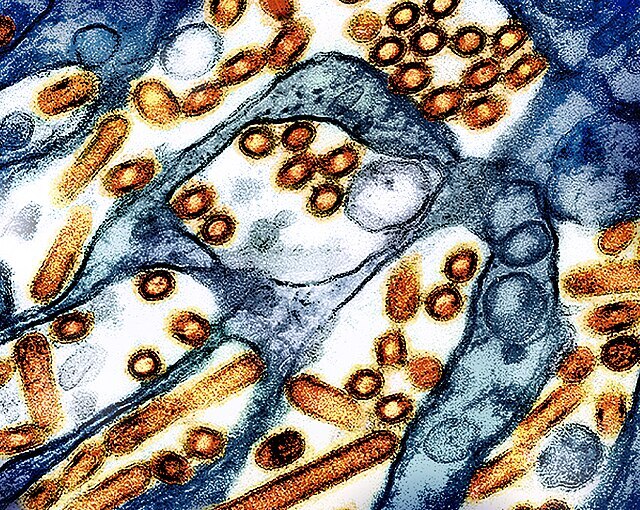
The CDC recommends wearing protective gear when handling animals. Officials also advise avoiding contact with sick or dead birds, keeping a distance from wildlife, steering clear of contaminated surfaces or raw dairy products from affected areas, and reporting any sick or dead animals to authorities. By understanding how bird flu spreads and taking precautions, people can protect themselves, their animals, and their communities.
While the U.S. investigates this rare case, Belgium is seeing a rise in bird flu outbreaks. The H5 virus has recently been detected in the provinces of Limburg and Namur, prompting authorities to establish 3-kilometer safety zones and 10-kilometer monitoring zones around affected farms. As infections increase among farm and wild birds, Belgium has reinstated rules requiring all poultry to be kept indoors. Bird owners are urged to avoid contact with wild birds, not touch sick or dead animals, and follow other safety precautions to prevent transmission.

Climate change is increasingly linked to the wider and faster spread of bird flu and the emergence of new H5N1 variants. Shifting weather patterns allow the virus to survive longer, highlighting the need for strong disease monitoring as part of climate adaptation efforts. Studies suggest climate change affects influenza outbreaks, though its full impact is still being researched.
Amid these developments, those closest to nature are witnessing the effects firsthand. Nineteen-year-old Jan Samson studies Human Sciences at CVO Gent and has been passionate about birds since childhood. Inspired by his father, he developed a love for birdwatching and photography that continues to this day.

Jan says he has not noticed clear behavioral changes in birds, explaining that it is “hard to tell if a bird is sick from the flu,” even though he feels that something is different. Under normal conditions, he describes birds as “very social,” constantly cleaning themselves, eating, and searching for food. When that behavior changes, he becomes concerned. “If I see a bird that’s dirty, laying on the ground, I think there is probably something wrong,” he says.
Like many others, Jan mainly hears about bird flu through the news rather than from fellow birdwatchers, especially reports about outbreaks on poultry farms where overcrowding allows the virus to spread quickly. He points out that outbreaks are no longer limited to winter. “Before it didn’t happen a lot, mostly in winter, but now even in spring there are outbreaks,” he says, adding that “the numbers doubled from last year.”
Hearing about nearby cases made him uneasy, particularly because they keep chickens at home and now have to keep them locked indoors. He dislikes this measure, saying he believes birds should be free to fly. He also notes clear differences between wild and captive birds, describing wild birds as cleaner and more active, while caged birds, especially chickens kept in large groups, often appear dirty and less lively.
The outbreak has changed the way Jan interacts with birds. He says that although he used to handle them, he now avoids direct contact and uses much more caution. He believes few people around him are deeply concerned, noting that individuals can do little beyond reporting cases.
Ultimately, Jan hopes people understand the broader picture. He stresses that bird flu is closely linked to climate change and warns that “some small populations of birds can be easily wiped out” if the virus continues to spread. For him, the outbreak is a reminder of how fragile nature and humans really are.
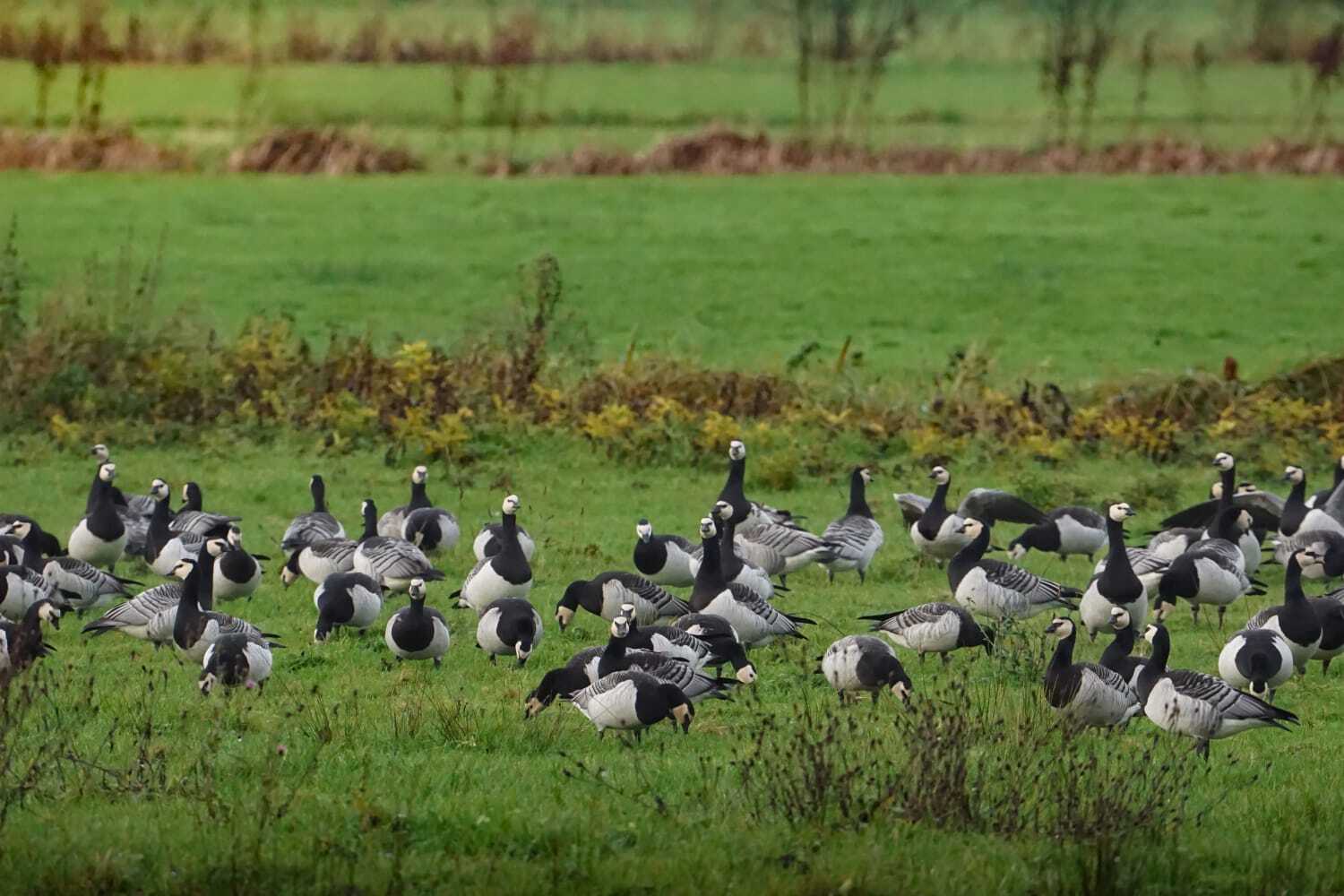
The recent cases in the United States and the growing outbreaks in Belgium highlight the ongoing threat of bird flu to both animals and people. Authorities emphasize the importance of vigilance, protective measures, and careful monitoring, while following safety guidelines. This includes avoiding contact with sick birds, keeping a distance from wildlife, and wearing protective gear, which can help protect communities and limit further spread.