

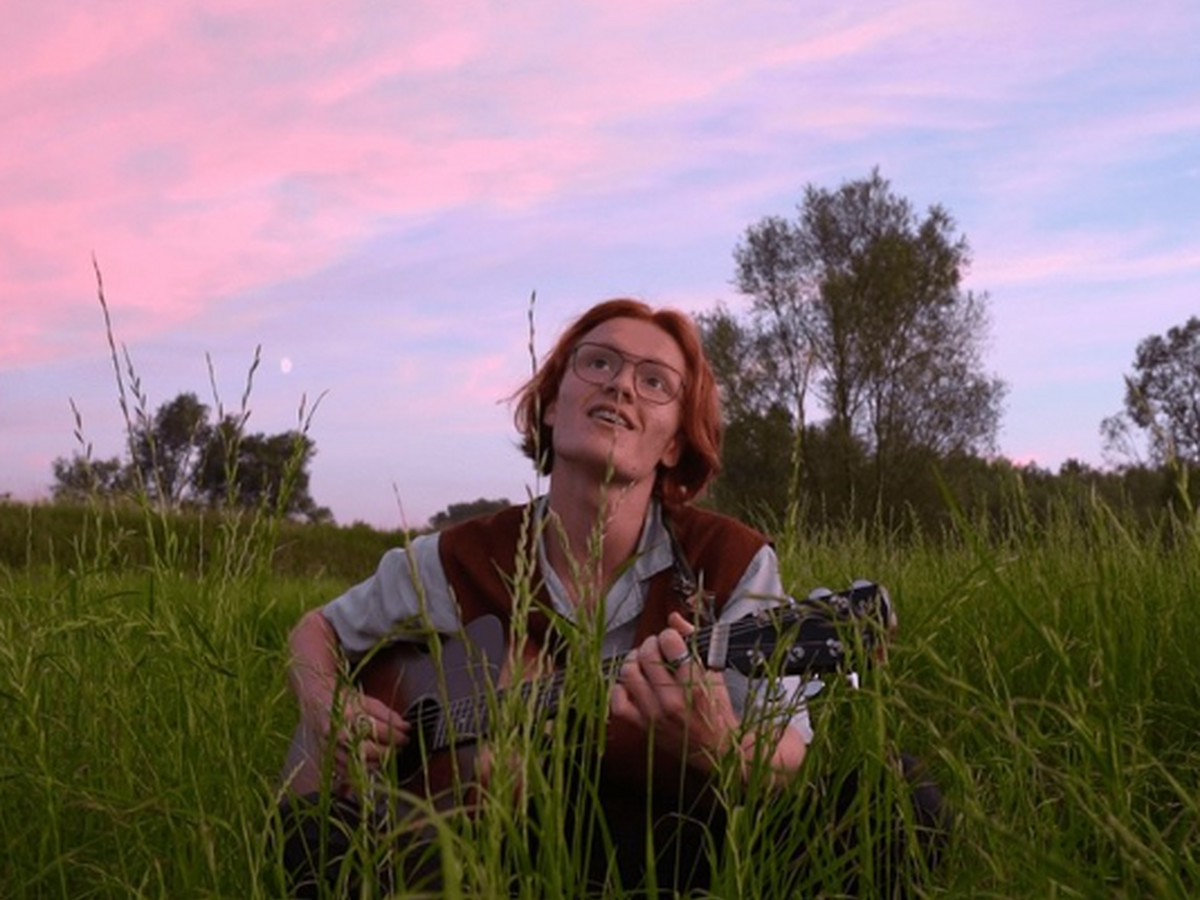
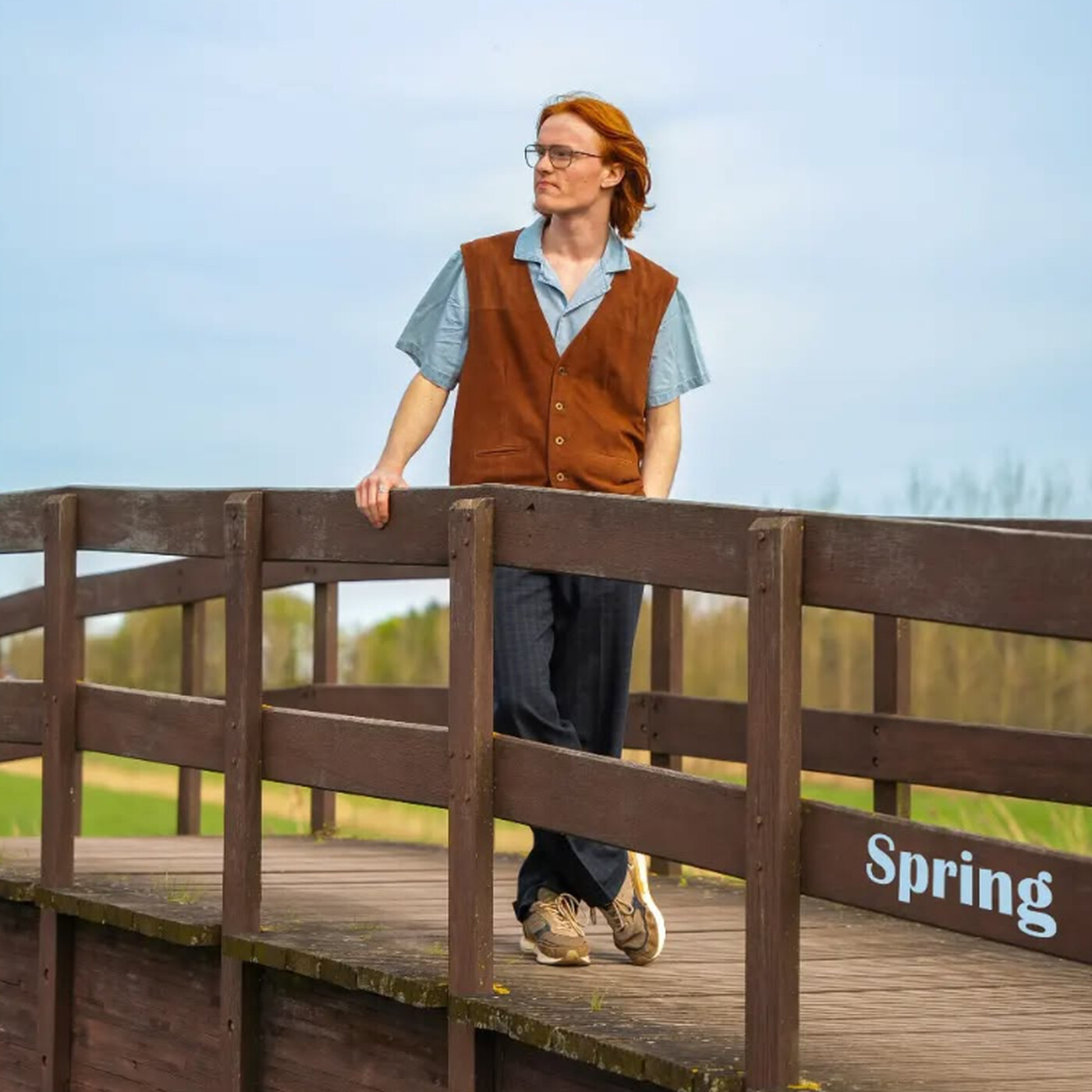
Eneas Lootens, 18, musician from Belgium.
(Credit: Eneas Lootens)
Lootens started his journey at the age of eight, when he taught himself how to play a piano and a guitar. As he grew older, his passion for music didn’t fade, and he decided to pursue a degree in music production. Today he records his own songs and plays in a band, while, as he says, he is “trying new things and learning constantly.” However, the rise of AI-generated music has already made a worrying impact on the industry he wants to tie his future to.
Streaming Platforms and the Rise of AI Music
Eneas Lootens believes that streaming platforms, especially well-known and liked Spotify, play a crucial role in promoting AI music. As of right now, the company hasn’t confirmed creating its own AI artists, but it’s highly noticeable that artificially created songs mark their presence in many playlists. ,You can go through these playlists and see artists without a profile picture or bio,” Lootens explained. “That is usually a red flag.”
Low Pay-outs and Growing Inequality
One of the main concerns is the economic impact of the music that is created by an artificial intelligence. Eneas Lootens highlights that, as mentioned before, Spotify already offers low payouts to musicians, who earn only a fraction of a cent per stream. Here he argues that the promotion of AI music is very harmful to real artists, mainly to the small ones. “Artists already don’t make a lot from streaming platforms,” he says. “It’s painful to see the money go to big corporations instead of musicians with passion.”
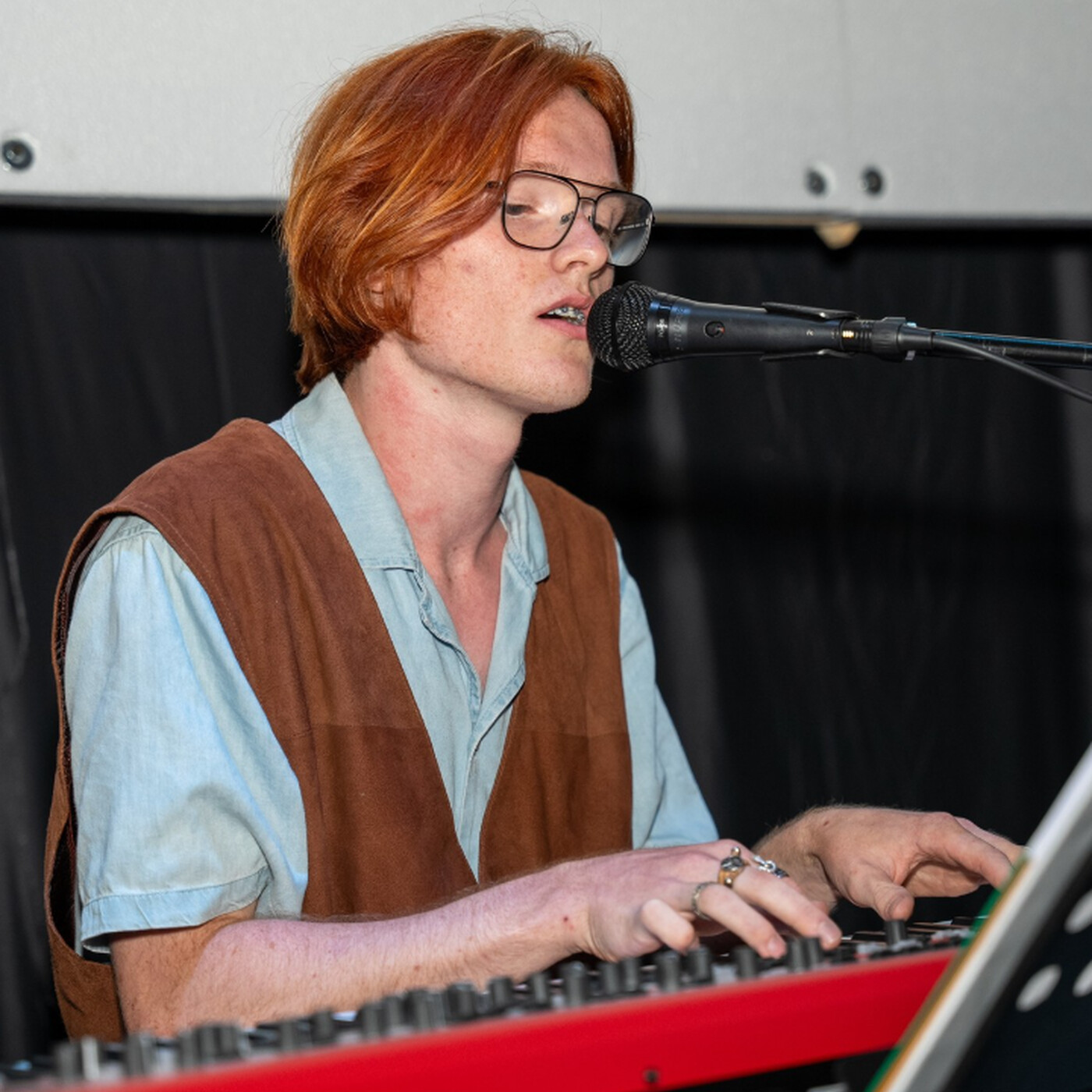
Eneas Lootens, 18, a musician from Belgium.
(Credit: Eneas Lootens)
Creativy, Ethics and Environmental Concern
Besides finances, Eneas Lootens criticizes generative AI in terms of it not being ethical. He emphasizes that artificial intelligence can’t be creative in the same way humans are. “AI isn’t creative. It just takes what already exists and reshuffles it. It doesn't have a brain to think.” He states. For him, music is inseparable from human experience, and the importance of the emotions in the room, the energy while recording, and the intention behind a song is something that AI can’t recreate. “The human aspect in music is not replaceable,” he says.
Lootens also mentions the environmental cost of artificial intelligence itself. Operating and running large AI models demands enormous amounts of water and energy for the cooling system. “People don’t really think about this aspect,” he says, “but it matters a lot.”
Even with Eneas Lootens’s criticism, he doesn’t deny that some educational institutions encourage students to use AI to converse with it during the creative process. Despite that, he remains unsupportive towards this idea, especially when artificial intelligence is used to replace human work instead of supporting it. Here he mentions cases where real artists’ voices are used without their consent to create such songs.
When asked if AI-generated music affects him personally, he says that the impact is indirect right now. As a small musician, Lootens hasn’t relied on the income of the streaming services. He admits that he feels a bit surrounded by this trend and artists who are using artificial intelligence in order to create. “It just doesn’t feel like a song. You didn’t make it. You just typed a prompt.”
As a response, Eneas Lootens switched from Spotify to Tidal. He sees the second platform as more transparent, less focused on AI promotion, and more artist-friendly. He points out the step towards accountability that Deezer made by labeling artificial music. For listeners who want to be more aware of what they are listening to, Lootens suggests checking the artists' profiles, doing some research around the name of the person behind the song, and supporting platforms that clearly label AI-generated music.
Future of the Music Industry in an Artificial World
In the long run, Lootens believes that the future of music may drift away from the dominance of streaming platforms. Live concerts and physical records can gain value due to the rising need to support an artist personally and not only through the screen of a mobile device. “If you really like an artist, go to their show. That is where you will always know that a human is behind the music.”
As a final message, Eneas Lootens calls to reflect on how AI is used right now. He understands the appeal. “It’s a short dopamine rush compared to what real music can offer you. The satisfaction of learning how to play an instrument and creating something from scratch is almost addicting. That is why if you care about music, be ethical with it and don’t let art become just another shortcut for profit.”